Property Maintenance Insights: Water Removal in North Miami
Water damage is one of the most frequent property maintenance issues in North Miami. Between seasonal storms, high humidity, aging plumbing, and constant air conditioning use, moisture can find its way into homes and buildings in ways that aren’t always obvious. While a visible leak or flood often gets immediate attention, the long-term problems usually come from water that remains trapped inside walls, flooring, or structural materials.
Understanding how proper water removal works—and why it plays such an important role in property maintenance—can help homeowners and property managers reduce costly repairs and prevent mold growth later.
What Water Removal Means in Real Properties
Water removal refers to more than just drying a wet floor. It involves extracting standing water, removing trapped moisture from building materials, and stabilizing indoor humidity levels so the structure can fully recover.
In North Miami homes and condos, water removal often becomes necessary after:
- Plumbing leaks or pipe failures
- Roof leaks during storms
- Overflowing appliances or fixtures
- Air conditioning condensation problems
- Flooding from heavy rain
Even a small amount of water can soak into porous materials like drywall, insulation, and carpet padding. Without proper drying, these materials can deteriorate or support mold growth within days.
Why Water Problems Are So Common in North Miami
Several local conditions make water damage more likely in North Miami and nearby communities such as Miami Shores, Biscayne Park, Aventura, and North Miami Beach.
High humidity year-round slows evaporation and keeps materials damp longer.
Frequent rainstorms increase the likelihood of roof or window leaks.
Warm indoor temperatures accelerate mold growth when moisture is present.
Air conditioning systems create condensation that can accumulate in hidden areas.
Older buildings and plumbing systems are more vulnerable to slow leaks.
Coastal air also contributes to moisture retention in materials, especially in properties located near the bay or waterways.
Common Signs Homeowners Notice
Water damage doesn’t always appear as standing water. In many cases, homeowners notice subtle warning signs first.
Typical signs include:
- Musty or damp odors
- Water stains on ceilings or walls
- Warped or buckling flooring
- Peeling paint or bubbling drywall
- Damp carpet edges
- Condensation around vents or windows
These signs often indicate that moisture has already penetrated building materials and needs to be addressed promptly.
Hidden or Overlooked Sources of Moisture
One of the biggest challenges in property maintenance is identifying water that isn’t visible.
Common hidden sources include:
Slow plumbing leaks inside walls
Even a small drip can saturate drywall over time.
Roof flashing or vent leaks
Water may enter gradually during storms without obvious signs.
Air conditioning drain line clogs
Condensate backup can cause ceiling or attic moisture.
Under flooring or behind baseboards
Water often spreads beneath surfaces before becoming visible.
Inside air ducts
Condensation can form when ducts are poorly insulated or airflow is restricted.
Professional inspections often uncover these problems early, preventing larger repairs later.
Why DIY Drying Often Isn’t Enough
After a leak or water intrusion, many property owners use fans or open windows to dry affected areas. While this can help with surface moisture, it rarely removes water trapped inside materials.
Common limitations of DIY drying include:
- Moisture remaining inside walls or subfloors
- Uneven drying of materials
- Indoor humidity remaining high
- Increased risk of mold growth
In humid climates like North Miami, incomplete drying is one of the most common reasons water damage leads to mold remediation.
Professional Water Removal and Inspection Explained
Professional water removal focuses on locating and eliminating all moisture—not just what can be seen.
Typical steps include:
- Moisture mapping using specialized meters
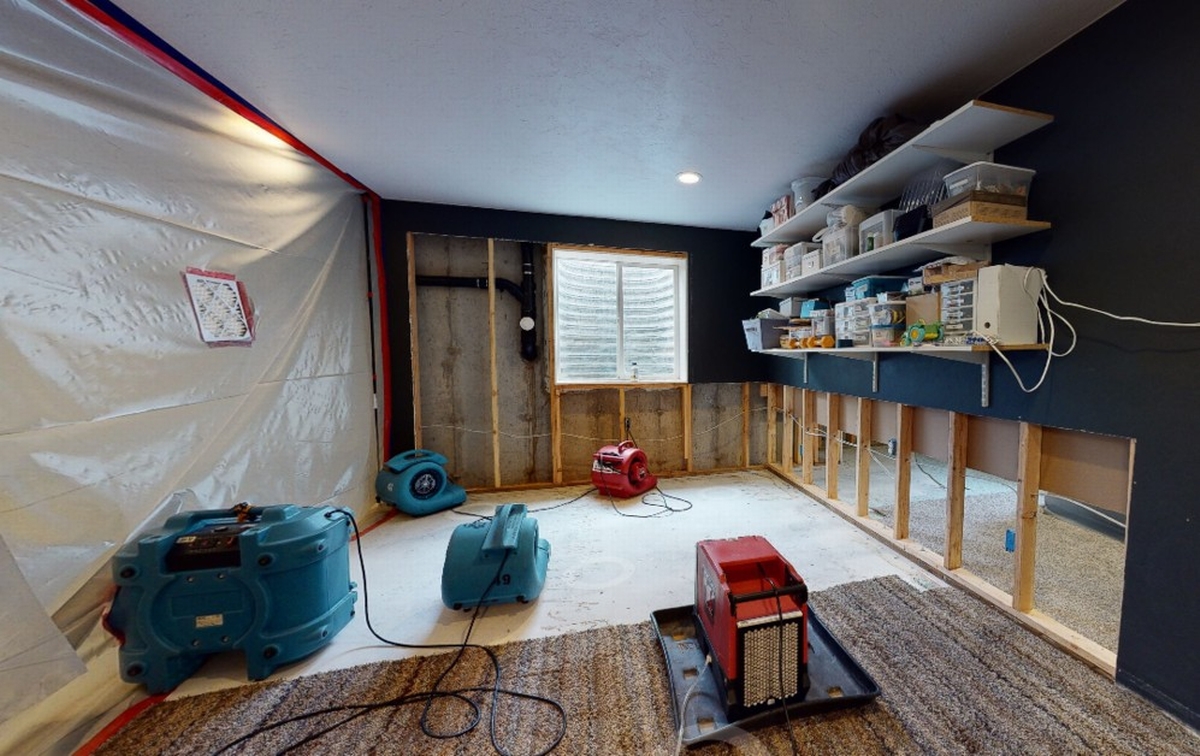
- Water extraction with high-powered equipment
- Placement of air movers and dehumidifiers
- Monitoring humidity and drying progress
- Verification that structural materials are fully dry
Technicians often monitor drying over several days to ensure moisture levels return to normal before equipment is removed.
Companies experienced in local conditions, such as Tip Top Water and Fire Damage Restoration, often find that thorough drying is the most important step in preventing long-term structural damage.
Flood Restoration and Water Damage Repair
In more severe cases, restoration work may be needed after water removal is complete.
This may include:
- Removing saturated drywall or insulation
- Replacing damaged flooring
- Cleaning and sanitizing affected areas
- Minor structural repairs
Prompt restoration helps prevent secondary issues such as mold growth, odors, and deterioration of building materials.
Air Ducts, AC Systems, and Moisture Control
Air conditioning systems are essential in South Florida, but they can also contribute to moisture problems when not maintained properly.
Common issues include:
- Clogged condensate drain lines
- Dirty evaporator coils
- Insufficient airflow
- Condensation forming inside ducts
When moisture accumulates in ducts, it can circulate humid air throughout the home, slowing the drying process after a leak or flood.
Routine HVAC inspections are an important part of property maintenance in North Miami.
How to Prevent Future Water Damage
Preventive maintenance is one of the most effective ways to reduce water-related problems.
Helpful steps include:
- Inspecting roofs and flashing annually
- Cleaning AC drain lines regularly
- Checking appliances and supply lines for leaks
- Maintaining proper attic ventilation
- Using dehumidifiers in moisture-prone areas
- Addressing small leaks immediately
Homeowners in nearby areas such as Sunny Isles Beach, Surfside, and Bal Harbour often find that regular inspections help identify problems before they become serious.
Why Local Experience Matters
Water removal in coastal environments requires an understanding of local weather patterns, construction methods, and humidity behavior.
Professionals familiar with North Miami properties understand:
- How afternoon storms affect attic moisture
- How slab foundations retain water
- How coastal air influences drying times
- How air conditioning systems interact with indoor humidity
This experience helps ensure that water removal is thorough and long-lasting, rather than a temporary fix.
A Practical, Calm Next Step
Water damage can feel stressful, but most problems are manageable when addressed early and thoroughly. Removing water quickly, drying materials completely, and maintaining proper humidity levels are the keys to preventing long-term damage.
For homeowners and property managers in North Miami and surrounding communities, staying proactive about moisture control is one of the most effective ways to protect both property value and indoor comfort.
A careful inspection and proper drying process can turn a potentially serious issue into a manageable repair and help ensure that water damage doesn’t become a recurring problem.