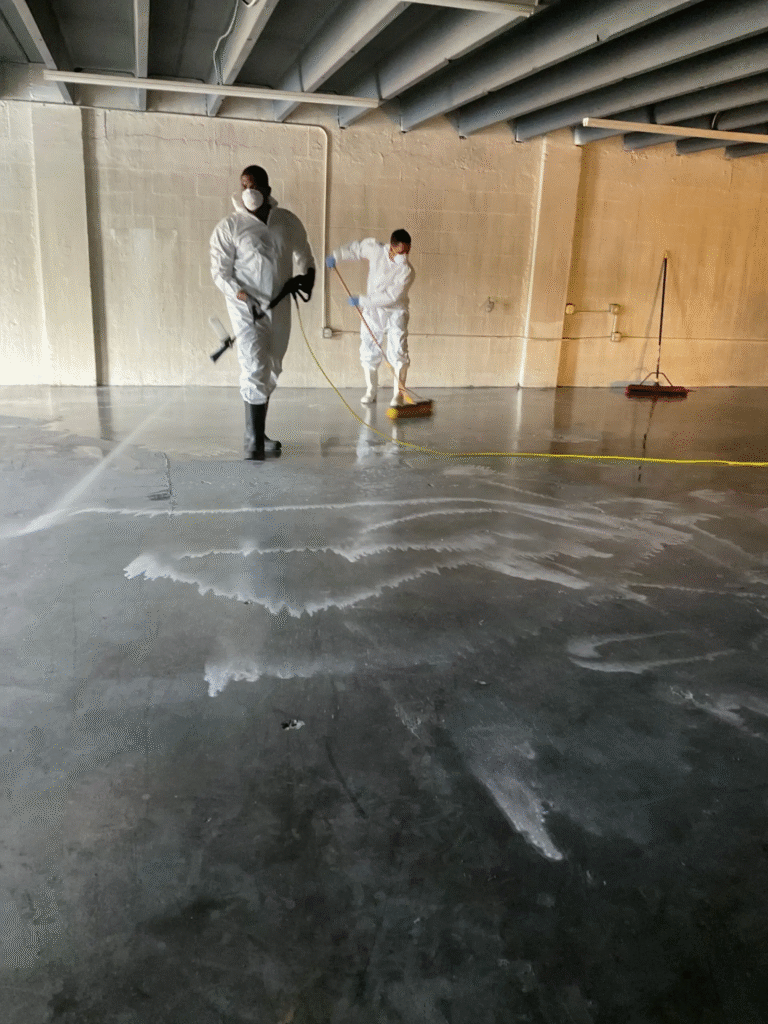
Simple Ways to Reduce Long-Term Damage: Smoke Damage Cleanup Challenges in Miami Shores
Miami Shores, Florida, is a vibrant coastal community with beautiful waterfront properties and a variety of residential homes. While residents enjoy the picturesque scenery, the area’s coastal weather, high humidity, and proximity to the ocean create unique challenges when smoke damage occurs. Whether due to kitchen fires, electrical malfunctions, or neighboring property incidents, smoke damage in Miami Shores requires immediate attention to prevent long-term deterioration. Understanding why smoke damage cleanup is critical and implementing practical strategies helps homeowners protect their properties, indoor air quality, and personal belongings.
1. What Smoke Damage Is
Smoke damage occurs when combustion byproducts, including soot, ash, and airborne particles, infiltrate a home. Unlike visible fire damage, smoke can affect areas far from the original source:
- Walls, ceilings, and flooring absorb smoke particles
- HVAC systems carry smoke through ducts, spreading odors
- Fabrics, upholstery, and carpets retain smoke odors
- Porous materials such as wood and drywall may trap smoke and discolor over time
In coastal Miami Shores homes, the high humidity exacerbates smoke adhesion, making cleanup more complex.
2. Why Miami Shores Homes Are Especially Vulnerable
Several factors increase the complexity of smoke damage cleanup in Miami Shores:
- Coastal humidity: Moist air binds soot and odors to surfaces, making cleaning more labor-intensive.
- Salt air exposure: Salt particles accelerate corrosion on metals and electronics exposed to smoke.
- Older and high-rise properties: Aging homes may have porous walls, ceilings, or flooring, while multi-level condos allow smoke to travel easily through vents and stairwells.
- Storm season: Moisture from hurricanes or heavy rains can combine with smoke residues to create stubborn stains or accelerated material degradation.
Understanding these environmental conditions helps homeowners anticipate the challenges of smoke cleanup.
3. Common Smoke Damage Signs
Homeowners should look for these indicators after a fire or smoke incident:
- Visible soot on walls, ceilings, or furniture
- Lingering smoky or burnt odors
- Discoloration or yellowing on painted surfaces
- Residue on HVAC vents or ductwork
- Corrosion on appliances or electronics near the fire source
Early detection allows for faster cleanup and reduces the potential for long-term structural or aesthetic damage.
4. Hidden or Overlooked Damage Sources
Not all smoke damage is immediately visible:
- Inside walls and ceilings: Smoke can penetrate drywall and insulation, leaving residual odors or discoloration.
- Attics and crawl spaces: Smoke can infiltrate these spaces and settle on structural beams, causing hidden staining.
- Air ducts and HVAC systems: Contaminated ducts spread smoke particles throughout the home, making odors difficult to remove without professional cleaning.
- Furniture and soft surfaces: Upholstery, curtains, and carpets can trap smoke particles deep in fibers.
Addressing hidden sources is critical to preventing lingering odors and secondary damage such as mold growth in high-humidity areas.
5. Why DIY Smoke Cleanup Often Fails
Homeowners may attempt to clean soot or smoke odors themselves, but DIY approaches often fall short in Miami Shores homes because:
- Humidity and salt air bind smoke particles to surfaces
- Hidden damage in walls, ceilings, or ducts may be missed
- Incorrect cleaning agents can stain or damage materials
- Contaminated HVAC systems continue circulating smoke particles
Professional restoration ensures that both visible and hidden damage is addressed thoroughly.
6. Professional Smoke Damage Cleanup Process
Step 1: Inspection and Assessment
Technicians assess the home for:
- Soot deposits on walls, ceilings, and floors
- Odor penetration in fabrics, insulation, and structural materials
- HVAC system contamination
- Electrical or electronic items affected by smoke
Moisture detection may also be conducted in high-humidity areas to prevent future mold growth.
Step 2: Containment
Affected areas are sealed off to prevent smoke and soot from spreading during cleaning.
Step 3: Cleaning and Removal
- Dry and wet cleaning methods remove soot from walls, ceilings, and flooring
- HEPA filtration vacuums and air scrubbers remove airborne particles
- Upholstery, carpets, and fabrics may undergo specialized cleaning
- Corroded or irreparably damaged items may be replaced
Step 4: Odor Removal
Odors are addressed using:
- Thermal fogging to penetrate porous materials
- Ozone treatments or hydroxyl generators for air purification
- Thorough duct cleaning to remove smoke particles from HVAC systems
Step 5: Restoration
Final steps include repairing damaged drywall, repainting, and replacing flooring or insulation as needed. Preventive measures are applied to minimize long-term effects.
7. Preventive Measures to Reduce Long-Term Damage
Homeowners can implement strategies to limit future smoke damage:
- Regular HVAC maintenance: Clean ducts and inspect filters to prevent smoke residue accumulation.
- Fire safety planning: Install smoke detectors, maintain fire extinguishers, and check wiring regularly.
- Humidity control: Use dehumidifiers to reduce moisture that exacerbates smoke adhesion.
- Protective coatings: Consider fire-resistant paint and sealants on walls and ceilings.
- Routine inspections: Post-fire or minor smoke incidents should be assessed quickly to prevent lingering damage.
These measures help reduce restoration costs and preserve property integrity.
8. The Role of Coastal Weather
Coastal weather in Miami Shores complicates smoke cleanup:
- High humidity prolongs odor absorption and surface staining
- Salt air accelerates corrosion of metals and electronics affected by smoke
- Stormy conditions can combine moisture and soot, causing stubborn residues
Understanding these environmental factors helps homeowners and professionals approach restoration strategically.
9. Long-Term Observations from Local Properties
Experience in Miami Shores reveals several key insights:
- Even minor smoke exposure can cause long-lasting odor if not addressed immediately
- Hidden smoke damage in walls, ducts, and attics often leads to secondary issues such as mold
- Seasonal maintenance and prompt professional intervention are crucial in coastal homes
- Preventive measures such as regular duct cleaning, humidity control, and inspections significantly reduce long-term damage
These lessons emphasize proactive management alongside professional restoration.
10. Why Local Expertise Matters
Professional companies like Tip Top Water and Fire Damage Restoration understand:
- Coastal weather effects on smoke residue
- High-humidity challenges in residential and high-rise properties
- How salt air accelerates material corrosion
- Proper combination of cleaning, deodorization, and preventive measures
Local expertise ensures smoke damage is handled effectively, minimizing long-term issues.
11. Final Thoughts
Smoke damage in Miami Shores homes is influenced by both fire-related incidents and coastal environmental factors such as humidity, salt air, and storm exposure. Professional smoke damage cleanup is essential to prevent lingering odors, hidden structural damage, and long-term property deterioration.
By understanding the process—from inspection, cleaning, and odor removal to final restoration—homeowners can act swiftly and reduce the risk of persistent issues. Combined with preventive measures such as HVAC maintenance, humidity control, and fire safety planning, proper smoke damage management ensures that Miami Shores homes remain safe, healthy, and well-maintained over the long term.