
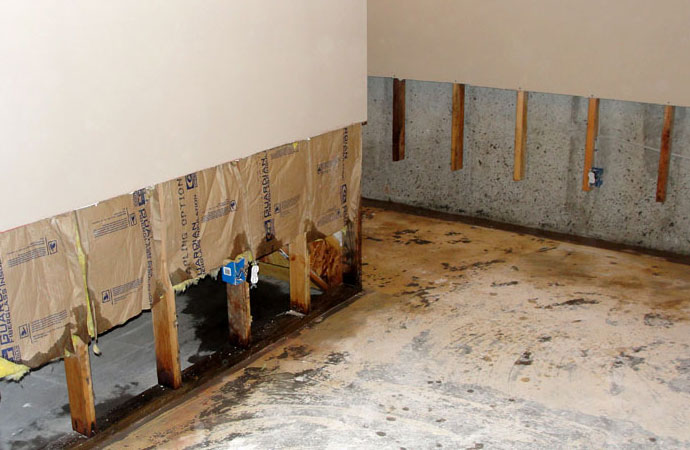
Simple Ways to Reduce Long-Term Damage: Water Damage Repair Challenges in North Miami
Water damage is one of the most common property problems faced by homeowners in North Miami. Between year-round humidity, heavy storms, aging plumbing systems, and constant air-conditioning use, moisture intrusion happens more often than many residents realize. While some water incidents seem minor at first, hidden moisture left behind can create long-term structural and air quality problems if repairs are not handled properly.
At QualityAir Mold Inspection & Testing, many inspections take place weeks or even months after water damage repair has already occurred. Homeowners often call when musty odors develop or humidity problems persist, only to discover moisture remains trapped inside walls or flooring.
Understanding why water damage repair can be challenging in North Miami—and knowing how to reduce long-term damage—helps property owners protect their homes and avoid expensive future repairs.
A Common Scenario in North Miami Homes
A typical situation begins with a plumbing leak, AC condensation overflow, or storm-related water intrusion. Water enters the home, soaking floors, baseboards, or walls. Cleanup often happens quickly, and visible surfaces are dried or repaired.
Homeowners assume the issue is resolved.
Weeks later, however, certain rooms begin smelling musty. Flooring may start to warp slightly, or paint begins bubbling near ceilings or walls. During professional inspections, moisture is often discovered trapped behind surfaces where mold growth may already be starting.
Because surfaces appeared dry initially, professional moisture detection was delayed, allowing hidden damage to develop.
This pattern occurs frequently in North Miami homes where humidity slows drying and moisture remains longer than expected.
Why Water Damage Repairs Are More Difficult in North Miami
North Miami’s climate creates conditions that make drying buildings more challenging compared to drier regions.
Several factors increase repair difficulty:
- High year-round humidity
- Frequent rain and storm exposure
- Slow natural drying conditions
- Constant AC condensation production
- Plumbing leaks in older properties
- Moisture traveling between condo units
Even after visible water is removed, materials often remain damp internally because humidity slows evaporation.
If materials are not fully dried before repairs begin, moisture remains trapped and future problems develop.
How Hidden Moisture Causes Long-Term Damage
Water rarely stays confined to visible areas. It travels through porous materials and spreads into surrounding spaces.
Common long-term consequences include:
- Buckling or warped flooring
- Soft or deteriorating drywall
- Cabinet damage and swelling
- Persistent musty odors
- Increased indoor humidity
- Mold development behind surfaces
Moisture trapped inside insulation also forces HVAC systems to run longer, increasing cooling costs.
Because these problems develop slowly, homeowners often do not connect them to past water events.
Water Removal vs. Full Water Damage Repair
Many homeowners confuse water removal with full repair. Water removal involves extracting standing water, but proper repair requires additional steps.
Complete repair usually includes:
- Extraction of standing water
- Removal of damaged materials
- Industrial drying equipment operation
- Humidity control using dehumidifiers
- Continuous moisture monitoring
- Structural repairs and reconstruction
Inspection services help confirm materials are truly dry before rebuilding begins.
QualityAir Mold Inspection & Testing often performs post-repair inspections to ensure hidden moisture has not been overlooked.
Why Mold Often Appears After Repairs
One of the most common surprises for homeowners is discovering mold after water damage repairs appear finished.
Water frequently remains trapped inside wall cavities or beneath flooring where airflow cannot reach. In North Miami’s humid climate, this moisture allows mold growth to begin quietly.
Because mold often grows out of sight, homeowners may first notice odors or humidity changes rather than visible contamination.
Routine inspections after water damage repairs help prevent mold from spreading unnoticed.
Why DIY Repairs Often Lead to Bigger Costs
Some homeowners attempt water damage repairs themselves to reduce costs. While quick action is helpful, professional drying equipment is often necessary.
Household fans or small dehumidifiers cannot dry saturated materials thoroughly. Surfaces may feel dry while deeper layers remain wet.
Painting walls or replacing flooring without verifying dryness traps moisture inside, leading to repeated repairs later.
Professional moisture detection prevents recurring expenses.
What Inspectors Look for After Repairs
Professional inspections after water damage follow a structured process.
Inspectors begin by reviewing the incident timeline and repair steps taken. Understanding how long materials remained wet helps determine risk levels.
A visual inspection evaluates ceilings, walls, flooring, HVAC systems, and nearby rooms for moisture spread.
Moisture meters and thermal imaging cameras help detect hidden damp materials without unnecessary demolition.
If mold contamination is suspected, air or surface samples may confirm growth.
Homeowners receive a report explaining findings and recommended next steps.
An Insight Many North Miami Homeowners Don’t Expect
One surprising observation from many inspections is that small, repeated water incidents often cause more long-term damage than large flooding events.
Major water events usually prompt immediate professional drying. However, slow plumbing drips or condensation problems may continue unnoticed for months.
By the time odors or visible damage appear, moisture may already be widespread behind surfaces.
Routine inspections after repairs often prevent larger remediation costs later.
Simple Prevention Steps That Save Money
Reducing long-term water damage costs requires consistent maintenance and quick action.
Air-conditioning systems should receive regular maintenance to ensure condensation drains properly and humidity remains controlled.
Plumbing systems should be checked periodically, especially in older homes or condos.
Roofs, windows, and exterior seals should be inspected after storms to catch leaks early.
Bathrooms and kitchens should be ventilated during use to reduce moisture buildup.
Leaks should be repaired immediately, and wet materials dried promptly after intrusion events.
Periodic professional inspections help confirm hidden moisture problems have not developed.
Preventive maintenance significantly reduces repair costs over time.
Why Local Experience Matters in North Miami
Water damage behaves differently in humid coastal climates compared to inland regions. Inspectors must understand how North Miami’s humidity, storms, and building construction influence drying conditions.
Our experience inspecting properties throughout North Miami allows us to quickly recognize moisture patterns common in local homes and recommend practical prevention strategies suited to regional conditions.
Local expertise leads to faster identification of risks and realistic repair solutions.
Practical Guidance for North Miami Property Owners
If your home has experienced leaks, flooding, or humidity problems after repairs, professional inspection can confirm whether hidden moisture problems remain.
QualityAir Mold Inspection & Testing provides professional mold inspection and moisture evaluation services while coordinating remediation when necessary.
Taking action early protects indoor comfort, prevents hidden structural damage, and helps maintain long-term property value in North Miami’s humid environment.
Water damage repair should never end with visible cleanup alone. Proper moisture verification ensures small water incidents do not quietly become expensive structural or mold problems later, saving homeowners money and stress in the long run.