Smoke Damage Cleanup in Biscayne Park: Real-World Observations from Local Properties
Biscayne Park, with its charming tree-lined streets and historic homes, offers residents a unique blend of suburban tranquility and proximity to coastal South Florida. While living in this area provides many benefits, it also comes with property maintenance challenges, particularly when it comes to smoke damage. Whether from kitchen fires, electrical incidents, or nearby wildfires and storm-related accidents, smoke can permeate homes, leaving behind lingering odors, discoloration, and structural damage. At Tip Top Water and Fire Damage Restoration, we have extensive experience with smoke damage cleanup in Biscayne Park, North Miami, North Miami Beach, Sunny Isles Beach, Bal Harbour, Aventura, Miami Shores, Surfside, and surrounding neighborhoods. Understanding the nuances of smoke damage cleanup and the lessons from real-world observations is essential for homeowners and property managers alike.
What Smoke Damage Is
Smoke damage occurs when fire produces particles, gases, and soot that settle on surfaces throughout a home. Unlike visible fire damage, smoke can affect areas far beyond the source, including:
- Walls and ceilings
- Flooring and carpets
- Furniture and upholstery
- HVAC systems and ductwork
- Personal belongings and electronics
The effects of smoke can include discoloration, corrosion, lingering odors, and potential health concerns from prolonged exposure to soot and particulate matter. The complexity of smoke damage varies depending on the source, intensity, and duration of exposure.
Why Biscayne Park Homes Are Particularly Vulnerable
Several factors make Biscayne Park homes more susceptible to smoke damage and its secondary effects:
- Older Construction – Many homes feature original woodwork, plaster walls, and cabinetry, which can absorb smoke and odors more readily.
- High Humidity – Coastal humidity amplifies the penetration of smoke particles into porous surfaces.
- Proximity to Other Properties – Densely spaced homes increase the risk of smoke infiltration from neighboring fires.
- Storm and Electrical Exposure – Lightning, aging electrical systems, and high winds during storms can trigger fires, leading to smoke damage.
These environmental and structural characteristics underscore the importance of timely and professional cleanup.
Common Signs of Smoke Damage
Experienced inspectors look for a range of indicators that smoke damage may have occurred:
- Dark soot deposits on walls, ceilings, or light fixtures
- Persistent smoky or burnt odors throughout the home
- Stains on fabrics, carpets, and furniture
- Yellowing or discoloration of painted surfaces
- AC system contamination, spreading smoke particles throughout the house
Even minor signs often point to a larger contamination problem that requires thorough assessment and remediation.
Hidden or Overlooked Sources of Smoke Damage
Smoke can penetrate areas that are not immediately visible, making professional inspection critical. Hidden sources often include:
- Attics and Crawl Spaces – Smoke can infiltrate through vents, gaps, or openings, settling in these concealed areas.
- HVAC Systems and Ductwork – Smoke particles can circulate throughout the home, contaminating vents, filters, and duct surfaces.
- Wall Cavities – Smoke can seep behind drywall or paneling, leaving unseen residues that may damage insulation and structural materials.
- Soft Furnishings and Carpets – Upholstery, rugs, and drapes readily absorb smoke particles and odors.
- Electronics and Appliances – Smoke can corrode electrical components, causing long-term functional issues.
Identifying these hidden areas is essential to prevent ongoing damage and persistent odors.
Why DIY Smoke Cleanup Often Fails
Homeowners may attempt to remove smoke using household cleaners, baking soda, or ventilation. While these methods may address surface-level soot, they are often inadequate:
- Incomplete Odor Removal – Smoke particles embedded in porous materials require professional treatment.
- Surface-Only Cleaning – DIY cleaning rarely reaches wall cavities, ductwork, or hidden areas where smoke particles have settled.
- Potential Corrosion – Without proper neutralization, acidic residues from smoke can damage metals and electronics.
- Health Risks – Soot and smoke particles can become airborne during improper cleaning, affecting indoor air quality.
Professional cleanup ensures comprehensive removal, restoration, and odor neutralization.
Tools and Techniques Used in Professional Smoke Damage Cleanup
Tip Top Water and Fire Damage Restoration uses a combination of advanced tools and methods to address smoke damage effectively:
- Thermal Fogging – Neutralizes smoke odors within porous surfaces.
- HEPA Filtration and Air Scrubbing – Removes airborne smoke particles from indoor air.
- Ozone Treatment – Eliminates odors from fabrics, carpets, and soft furnishings.
- Dry and Wet Cleaning – Specialized techniques for walls, ceilings, and other surfaces to remove soot without causing further damage.
- HVAC Cleaning – Professional duct cleaning to remove soot, odor, and contamination from AC systems.
- Moisture and Corrosion Assessment – Ensures that smoke residue combined with humidity has not caused hidden water damage or corrosion.
Using these tools ensures both visible and hidden smoke damage is addressed thoroughly.
Step-by-Step Smoke Damage Cleanup Process
The professional process for smoke damage cleanup typically includes:
- Initial Assessment – Inspect the home for visible and hidden smoke damage, including HVAC systems, wall cavities, and furnishings.
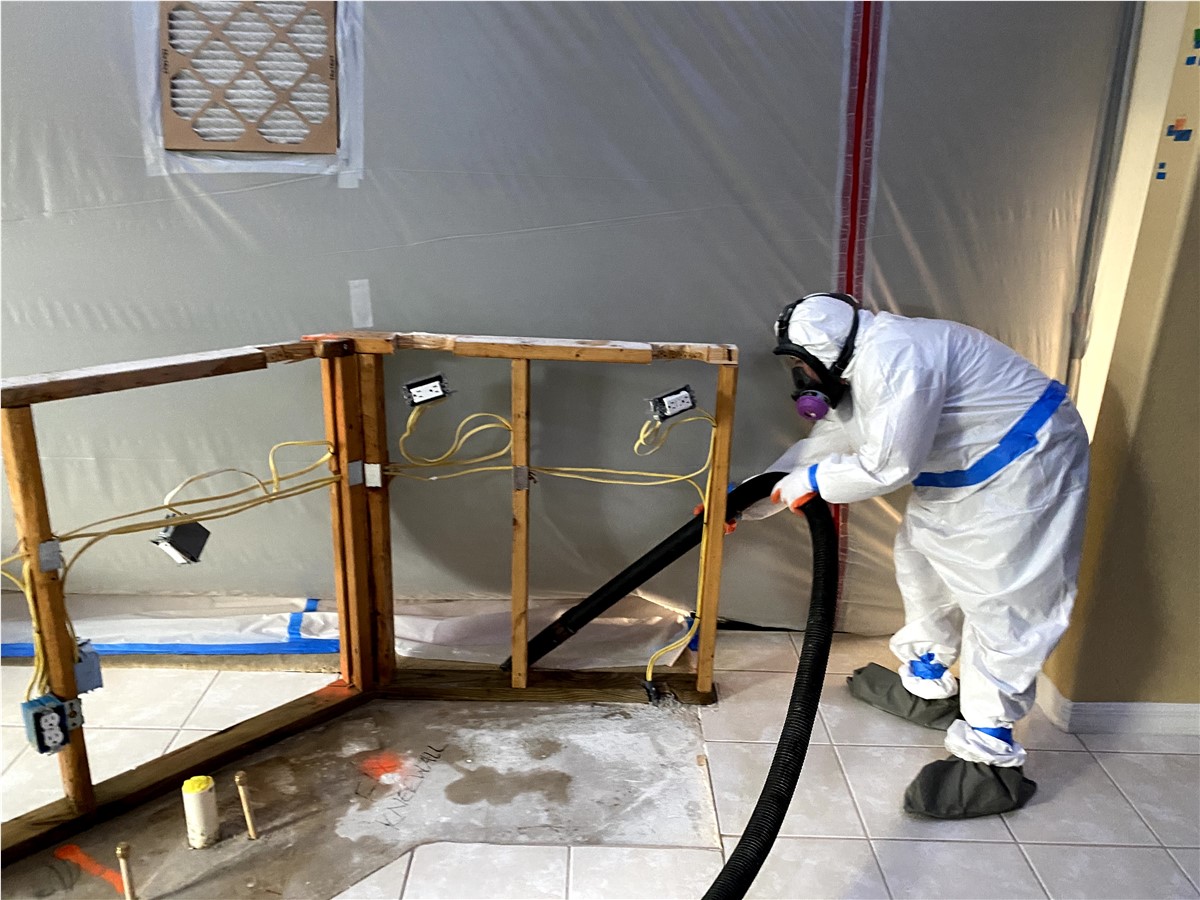
- Containment – Isolate affected areas to prevent the spread of soot and odors.
- Removal of Contaminated Items – Dispose of or professionally clean affected materials, including textiles and electronics.
- Cleaning and Neutralization – Employ HEPA filtration, ozone, thermal fogging, and surface cleaning to remove smoke residues.
- Restoration – Repair or replace damaged surfaces, including drywall, paint, and flooring.
- Final Verification – Confirm that odors and residues have been effectively removed and indoor air quality restored.
This systematic approach ensures comprehensive remediation and long-term protection of the property.
Real-World Observations from Biscayne Park Properties
Our experience in Biscayne Park highlights common patterns and lessons learned from smoke damage incidents:
- Kitchen Fires Are Frequent – Cooking-related fires often produce extensive smoke that permeates the entire home.
- AC Ductwork Spreads Smoke – Central air systems can distribute soot and odors far from the fire’s origin.
- Older Homes Absorb Smoke Easily – Hardwood, plaster, and aged insulation absorb smoke residues, making professional cleaning essential.
- Storm-Related Fires – Electrical surges and lightning strikes during storms can produce hidden smoke damage.
Understanding these patterns allows inspectors to focus on high-risk areas and ensure effective cleanup.
Preventing Smoke Damage
Property owners can reduce the risk and impact of smoke damage through preventive measures:
- Install and maintain smoke detectors and fire suppression systems
- Ensure electrical systems are up to code and free from faults
- Maintain AC units and ductwork to prevent the spread of smoke
- Keep flammable materials away from heat sources
- Conduct routine inspections after storms or high-wind events
Proactive maintenance reduces the likelihood of smoke damage and limits the severity of incidents when they occur.
Why Local Experience Matters
Biscayne Park’s coastal environment presents unique challenges:
- High humidity exacerbates smoke absorption into materials
- Older homes are more susceptible to deep penetration of smoke particles
- Electrical and plumbing systems in aging structures are more likely to contribute to fire-related incidents
- Close property spacing increases the risk of smoke infiltration from neighboring homes
Local professionals like Tip Top Water and Fire Damage Restoration understand these factors and provide tailored smoke damage cleanup solutions.
Calm, Trust-Based Call to Action
Smoke damage in Biscayne Park homes is a complex issue that requires professional inspection, cleaning, and restoration. Experienced technicians identify hidden contamination, neutralize odors, and restore affected surfaces and HVAC systems. Timely, thorough remediation prevents further damage, protects indoor air quality, and preserves property value. Tip Top Water and Fire Damage Restoration offers the expertise, tools, and local knowledge necessary to manage smoke damage effectively in Biscayne Park and surrounding coastal communities.