Smoke Damage Cleanup in North Miami: Key Facts Every Property Owner Should Know
North Miami, a vibrant coastal community, is home to diverse neighborhoods, historic homes, and bayfront properties along Biscayne Bay. While the area offers sunny skies and tropical living, its residents are not immune to fire-related incidents. Even when fires are small or contained, smoke can travel extensively throughout a property, leaving behind odors, stains, and invisible residues that compromise indoor air quality and structural integrity.
For homeowners, landlords, and property managers, understanding smoke damage cleanup is crucial. Proper remediation protects both the physical property and the health of its occupants. This guide provides a detailed look at what smoke damage is, why it happens, the challenges involved, and the professional cleanup process specific to North Miami homes.
Understanding Smoke Damage
Smoke damage refers to the residues and odors left behind by smoke after a fire or smoldering event. Unlike visible fire damage, smoke can infiltrate areas far beyond the point of origin, seeping into walls, ceilings, carpets, ductwork, and furnishings.
There are two main types of smoke residues:
- Wet Smoke – Produced by low-heat, smoldering fires, this smoke is sticky and pungent, adhering to surfaces and often penetrating porous materials.
- Dry Smoke – Resulting from fast-burning, high-heat fires, dry smoke tends to be powdery and less adhesive but can still penetrate cracks and crevices.
Both types can leave lingering odors, discoloration, and chemical residues that, if not addressed properly, may cause long-term structural damage and indoor air quality issues.
Why Smoke Damage Happens in North Miami
Several local factors make North Miami homes particularly susceptible to smoke damage:
- Older Construction Materials – Many homes in North Miami feature plaster walls, hardwood floors, and older insulation, all of which absorb smoke more readily than modern materials.
- AC and Ventilation Systems – Central air systems can distribute smoke and soot throughout the home, contaminating multiple rooms.
- Coastal Humidity – High humidity can interact with smoke residues, making them more difficult to remove and contributing to persistent odors.
- Proximity to Bayfronts – Coastal winds and open windows during storms can carry smoke and soot into homes from nearby fires or grills.
Even small fires or contained kitchen incidents can leave a widespread trail of smoke residues that are often invisible without professional inspection.
Common Signs of Smoke Damage
Property owners should watch for the following indicators after a fire or smoke exposure:
- Persistent Odors – Musty, acrid smells that linger long after the fire is extinguished.
- Discoloration – Yellow, brown, or gray stains on walls, ceilings, and furniture.
- Soot Deposits – Fine black particles settling on surfaces throughout the home.
- HVAC Contamination – Odors or soot from air ducts, vents, or filters indicating system infiltration.
- Damage to Personal Property – Staining or deterioration of textiles, carpets, and upholstery.
Even if fire damage appears minor, smoke residues can continue to cause damage if not properly addressed.
Hidden Challenges of Smoke Damage Cleanup
Smoke damage is more complex than surface cleaning due to its ability to penetrate hidden areas:
- Inside Walls and Ceilings – Smoke can travel through small cracks and accumulate behind drywall or plaster.
- Attics and Crawl Spaces – Poorly ventilated areas may trap smoke, allowing odors to persist.
- HVAC Systems – Contaminated ducts can spread smoke particles to multiple rooms over time.
- Porous Materials – Carpets, curtains, and upholstered furniture often absorb smoke deeply, requiring specialized cleaning.
These hidden residues can compromise indoor air quality, cause lingering odors, and damage structural materials if not addressed professionally.
The Risks of DIY Cleanup
While homeowners may attempt to remove smoke damage themselves, DIY methods are often insufficient:
- Incomplete Odor Removal – Surface cleaning may not address smoke trapped in walls, ducts, or insulation.
- Health Hazards – Soot contains fine particulate matter that can irritate the lungs, eyes, and skin.
- Spread of Contaminants – Disturbing smoke residues without containment can spread soot to other areas.
- Structural Damage – Improper cleaning techniques may worsen staining or damage finishes.
Professional remediation ensures thorough cleaning and minimizes the risk of residual odors or structural issues.
Professional Smoke Damage Cleanup Process
A professional cleanup in North Miami typically follows several steps to ensure complete remediation:
1. Initial Assessment
Technicians perform a comprehensive inspection to determine the extent of smoke damage:
- Visual Inspection – Identifies areas with visible soot, staining, or residues.
- Air Quality Evaluation – Detects lingering odors and airborne particles.
- HVAC System Review – Checks ducts, vents, and filters for contamination.
- Moisture Assessment – In cases of firefighting water or indoor flooding, moisture meters identify areas needing drying.
This assessment informs a tailored cleanup plan.
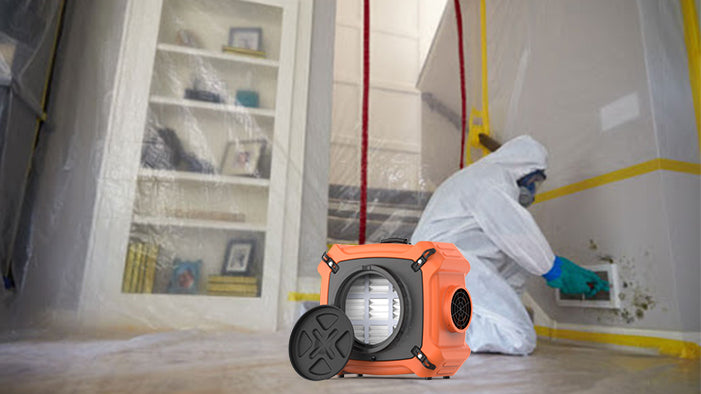
2. Containment
Containment is established to prevent soot and odor from spreading:
- Physical Barriers – Plastic sheeting or temporary partitions isolate affected rooms.
- Negative Air Pressure – Air movers and scrubbers direct airflow away from clean areas.
- PPE for Technicians – Respirators, gloves, and protective clothing minimize exposure.
Proper containment ensures that smoke residues are controlled during cleanup.
3. Dry Cleaning and HEPA Vacuuming
Non-porous surfaces are cleaned using dry methods first:
- HEPA Vacuuming – Captures fine soot particles from walls, ceilings, and floors.
- Dry Sponges and Wipes – Remove light soot without spreading residues.
- Air Scrubbing – HEPA air scrubbers reduce airborne particles and odors.
These steps remove the majority of surface contaminants before wet cleaning or deodorization.
4. Wet Cleaning and Deodorization
For more persistent residues:
- Chemical Cleaning Agents – Specialized cleaners break down soot and smoke residues on walls, wood, and furniture.
- Steam Cleaning – Effective for carpets, curtains, and upholstery.
- Ozone or Thermal Fogging – Neutralizes odors embedded in materials or HVAC systems.
These techniques ensure smoke particles are eliminated from both surfaces and air.
5. HVAC System Cleaning
Smoke can infiltrate ducts and air handlers:
- Duct Cleaning – HEPA vacuuming and antimicrobial treatments remove soot.
- Filter Replacement – New filters prevent recirculation of particles.
- Air Quality Testing – Confirms that ducts are clean and indoor air is safe.
HVAC cleaning is essential to prevent odors from returning.
6. Final Inspection and Clearance
The final step ensures complete remediation:
- Visual Confirmation – All soot and residues are removed.
- Odor Assessment – Any lingering smells are treated.
- Air Quality Testing – Confirms that indoor air meets safety standards.
- Preventive Recommendations – Guidance on maintenance and fire prevention strategies.
Professional clearance provides peace of mind that the home is fully restored.
Preventing Future Smoke Damage
Homeowners in North Miami can take proactive measures to reduce the risk and impact of smoke damage:
- Maintain Fire Safety – Install and test smoke alarms, fire extinguishers, and sprinkler systems.
- Regular HVAC Maintenance – Prevents smoke from spreading through ductwork in case of a small fire.
- Proper Ventilation – Adequate airflow reduces the concentration of smoke in the event of minor combustion.
- Safe Appliance Use – Regularly inspect stoves, ovens, heaters, and electrical systems.
- Quick Response to Fire Events – Promptly address small fires to minimize smoke exposure.
Preventive measures complement professional cleanup by reducing future risks.
Why Local Expertise Matters
North Miami’s coastal environment presents unique challenges for smoke damage remediation:
- High Humidity and Salt Air – Increase the difficulty of odor and residue removal.
- Older Homes – Require specialized techniques to preserve structural and aesthetic integrity.
- HVAC Systems – Centralized air systems in local homes may distribute smoke quickly, demanding targeted cleaning.
- Storm and Flood Interactions – Rain or firefighting water can exacerbate damage in humid conditions.
Tip Top Water and Fire Damage Restoration brings local knowledge and hands-on experience to handle smoke damage in North Miami homes, as well as surrounding areas such as North Miami Beach, Surfside, Bal Harbour, Aventura, and Biscayne Bay neighborhoods.
Conclusion
Smoke damage in North Miami is a pervasive but manageable problem for homeowners, landlords, and property managers. Even minor fires can leave behind residues that penetrate walls, ceilings, HVAC systems, and personal property, affecting indoor air quality and structural integrity.
Professional smoke damage cleanup involves comprehensive assessment, containment, cleaning, deodorization, and HVAC remediation. By addressing both visible and hidden residues and implementing preventive measures, property owners can restore their homes to safe, healthy, and livable conditions.
Understanding the process of smoke damage cleanup ensures that North Miami homes remain resilient, comfortable, and protected against the lasting effects of fire-related incidents.