Long-Term Protection Tips Related to Moisture Detection in Sunny Isles Beach
Homes in Sunny Isles Beach are uniquely vulnerable to moisture-related problems due to their coastal location. High humidity, proximity to the ocean, seasonal storms, and aging infrastructure can all contribute to hidden water accumulation, which, if left undetected, may lead to structural damage, mold growth, and decreased indoor air quality. Effective moisture detection and long-term protection strategies are therefore critical for homeowners who want to safeguard their properties and maintain a healthy living environment.
Moisture detection is more than just identifying leaks—it is a proactive approach to preserving the integrity of a home. Early detection prevents minor issues from becoming major problems, reduces repair costs, and protects residents from potential health risks associated with mold and mildew. This article provides an in-depth guide to moisture detection challenges in Sunny Isles Beach and offers actionable tips for long-term protection.
Understanding Moisture Risks in Coastal Homes
1. High Humidity
Sunny Isles Beach experiences elevated humidity year-round. Moist air can condense on walls, ceilings, and floors, gradually infiltrating building materials. Over time, this hidden moisture can weaken wood, drywall, and insulation.
2. Saltwater Proximity
Homes near the ocean are exposed to salt-laden air, which accelerates corrosion of metal components, HVAC systems, and plumbing. Salt can also attract moisture, making it easier for water to seep into structural elements.
3. Storm and Hurricane Exposure
Intense rainfall and high winds can create leaks in roofs, windows, doors, and foundation areas. Coastal storms can overwhelm drainage systems and introduce water into basements, crawlspaces, and attics.
4. Aging Infrastructure
Older homes often have materials that are more susceptible to moisture intrusion:
- Wooden subfloors and joists that absorb water
- Outdated insulation that traps moisture
- Older plumbing that develops slow leaks over time
The Importance of Moisture Detection
Detecting moisture early prevents long-term damage and protects both the home and its occupants. Some key reasons moisture detection is essential include:
- Prevention of Mold and Mildew: Moisture encourages mold growth, which can degrade indoor air quality and pose health risks.
- Structural Integrity: Persistent moisture weakens beams, drywall, flooring, and foundation elements.
- Energy Efficiency: Damp insulation reduces thermal efficiency, leading to higher cooling costs in the humid Florida climate.
- Property Value Protection: Homes with documented moisture control measures retain higher market value and are more attractive to buyers.
Common Challenges in Moisture Detection for Coastal Homes
1. Hidden Water Sources
Moisture can accumulate in areas that are not immediately visible:
- Behind drywall and baseboards
- Under carpets or hardwood floors
- In attics, crawlspaces, and subflooring
- Around HVAC ducts and plumbing
2. Slow and Intermittent Leaks
Some leaks occur gradually or only during heavy rainfall. These intermittent leaks are often difficult for homeowners to detect without professional equipment.
3. Humidity-Induced Condensation
High humidity causes condensation on windows, doors, and other surfaces. While not technically a leak, this moisture can penetrate walls and ceilings over time, leading to hidden water accumulation.
4. Salt and Coastal Effects
Salt accelerates corrosion in pipes, fixtures, and structural elements. This corrosion can create micro-leaks that are difficult to detect but gradually cause significant damage.
Professional Moisture Detection Methods
For long-term protection, homeowners should consider professional moisture detection services. Common techniques include:
1. Moisture Meters
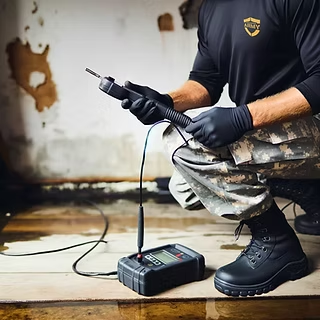
Measure water content in walls, ceilings, floors, and subflooring. Pin-type meters penetrate materials for precise readings, while pinless meters scan surfaces non-invasively.
2. Thermal Imaging
Infrared cameras detect temperature variations caused by moisture accumulation behind walls and under flooring.
3. Hygrometer Monitoring
Measures relative humidity in indoor environments, helping identify areas at risk for condensation and mold growth.
4. Leak Detection Systems
Advanced systems detect water movement in plumbing and HVAC systems, alerting homeowners before major damage occurs.
5. Air Sampling
Detects airborne mold spores that may indicate hidden moisture and early mold growth.
Long-Term Protection Tips for Sunny Isles Beach Homes
1. Regular Professional Inspections
Schedule annual or biannual moisture inspections, particularly for high-risk areas such as roofs, attics, crawlspaces, and plumbing systems. Early detection helps prevent minor issues from escalating.
2. Maintain Proper Humidity Levels
Use dehumidifiers and HVAC systems to maintain indoor humidity between 40% and 55%. Proper humidity control reduces condensation and prevents mold growth.
3. Roof and Window Maintenance
Regularly inspect roofs, gutters, and window seals. Promptly repair cracks, damaged flashing, or loose shingles to prevent water intrusion during storms.
4. Plumbing Maintenance
Inspect pipes, faucets, and joints for leaks. Replace corroded or outdated plumbing components to reduce hidden water accumulation.
5. HVAC System Care
Clean air ducts and HVAC components regularly. Ensure drip pans and condensation lines are functioning properly to avoid water buildup in HVAC systems.
6. Use Moisture-Resistant Materials
When renovating or building, choose mold- and moisture-resistant drywall, insulation, and flooring. These materials help reduce the impact of humidity and potential water leaks.
7. Landscape and Drainage Management
Ensure proper grading and drainage around the foundation to prevent water pooling near the home. Use French drains, swales, or other landscaping techniques to direct water away from structures.
8. Monitor After Storm Events
After hurricanes or heavy rains, check for leaks, water intrusion, or damp areas. Quick action reduces the likelihood of hidden damage developing into serious problems.
9. Install Moisture Sensors
Use smart home moisture sensors in critical areas such as basements, kitchens, bathrooms, and HVAC systems. These sensors provide early alerts for leaks or rising humidity.
Lessons from Real Homes in Sunny Isles Beach
Case studies of local properties demonstrate key takeaways:
- Homes with proactive moisture detection systems experienced fewer mold issues and avoided major structural repairs.
- Properties with routine roof, window, and plumbing inspections were less likely to suffer hidden water damage during storms.
- Coastal homes that used moisture-resistant building materials during renovations maintained better indoor air quality and structural integrity.
- Delayed detection often resulted in costly remediation and prolonged disruption to homeowners.
Health and Property Benefits of Long-Term Moisture Protection
- Prevents Mold-Related Illnesses: Reduces exposure to allergens, asthma triggers, and respiratory problems.
- Protects Structural Integrity: Preserves wooden beams, drywall, flooring, and subflooring.
- Improves Indoor Air Quality: Minimizes airborne spores and allergens.
- Reduces Repair Costs: Early detection and prevention are significantly less expensive than full-scale remediation.
- Maintains Property Value: Homes with well-maintained moisture protection systems are more attractive to buyers and appraisers.
Conclusion
Moisture detection and prevention are essential for long-term protection in Sunny Isles Beach homes. Coastal weather, high humidity, salt exposure, and aging infrastructure make bayfront and waterfront properties particularly susceptible to hidden water damage.
By implementing professional inspection techniques, controlling indoor humidity, maintaining roofing and plumbing, and using moisture-resistant materials, homeowners can prevent costly repairs, protect indoor air quality, and safeguard the health and comfort of their families. Proactive moisture detection is an investment in both the immediate safety and long-term value of coastal homes, ensuring that minor water issues never escalate into major structural or health problems.