The Science Behind Moisture and Mold Growth: Mold Remediation Challenges in Aventura
Mold is one of the most common and insidious problems facing homeowners in Aventura, particularly in coastal and high-humidity environments. Understanding the science behind moisture accumulation and mold growth is crucial for effective mold remediation and long-term property maintenance. The combination of Florida’s heat, humidity, and frequent rainfall creates conditions that encourage mold proliferation, which, if left unchecked, can lead to structural damage, health concerns, and costly restoration efforts.
This guide explores the environmental factors, biological mechanisms, and practical challenges of mold growth in Aventura homes. It provides insights into inspection, remediation, and prevention strategies to ensure safe, durable, and healthy living spaces.
Why Moisture Drives Mold Growth in Coastal Homes
Mold requires three key conditions to thrive:
- Moisture: The most critical factor. Water leaks, condensation, or high humidity provide the necessary environment for mold spores to germinate.
- Organic Material: Mold feeds on cellulose-rich surfaces such as wood, drywall, carpet, and insulation.
- Suitable Temperature: Most mold species flourish in warm conditions, typically between 70–90°F, which is consistent with Aventura’s year-round climate.
Coastal homes are particularly vulnerable due to frequent storms, high humidity, and aging construction materials that trap moisture. Even minor leaks or persistent condensation behind walls or under floors can provide enough moisture for mold to grow.
Common Sources of Moisture in Aventura Homes
1. Storm-Related Water Intrusion
Heavy rainfall and tropical storms can overwhelm roofing, gutters, and drainage systems. Water may seep into attics, crawl spaces, and wall cavities, creating hidden wet areas.
2. AC Condensation
High humidity combined with inadequate drainage or clogged condensate lines can lead to water accumulation around air conditioning units. This moisture can migrate into nearby flooring, drywall, or ductwork.
3. Plumbing Leaks
Burst pipes, leaking faucets, and faulty water heaters contribute to moisture accumulation inside walls and under floors.
4. Poor Ventilation
Bathrooms, kitchens, and laundry areas without proper exhaust systems retain humidity, providing an ideal environment for mold.
5. Flooding and Coastal Exposure
Homes near waterways or low-lying coastal areas often experience minor flooding, saltwater intrusion, or water pooling near foundations.
Understanding Mold Growth in Homes
Mold spores are ubiquitous in the environment and are normally harmless in small amounts. However, when they encounter a damp, nutrient-rich surface, they begin to grow rapidly:
- Spore Germination: Dormant spores absorb moisture and begin to form hyphae, the thread-like structures of mold.
- Colonization: Hyphae penetrate surfaces, releasing enzymes that break down organic material for nutrients.
- Reproduction: Mold produces additional spores, which disperse into the air, spreading contamination to other areas.
This process can occur within 24–48 hours in warm, humid conditions, making timely moisture detection and remediation critical.
Challenges in Mold Remediation in Aventura
Hidden Mold
Mold often grows in areas that are not immediately visible, such as:
- Inside wall cavities
- Under carpets or subflooring
- Behind cabinetry
- Within HVAC ducts and air handling units
High Humidity
Even after initial remediation, Aventura’s climate can maintain elevated indoor moisture levels, encouraging mold regrowth if preventive measures are not implemented.
Salt Air Exposure
Coastal air contains salt particles that accelerate corrosion in HVAC systems, pipes, and fasteners, making remediation more complex and requiring specialized techniques.
Older Homes
Homes built decades ago may have slab foundations, poor insulation, or aging plumbing that retain moisture and complicate mold removal.
Health Considerations
Disturbing mold without proper protective equipment can release spores into the air, increasing the risk of respiratory issues for occupants.
Professional Mold Remediation Process
1. Inspection and Assessment
Experienced technicians conduct a thorough evaluation, identifying:
- Visible mold and water stains
- Moisture-prone areas such as crawlspaces, attics, and basements
- HVAC and ductwork contamination
- Hidden structural vulnerabilities
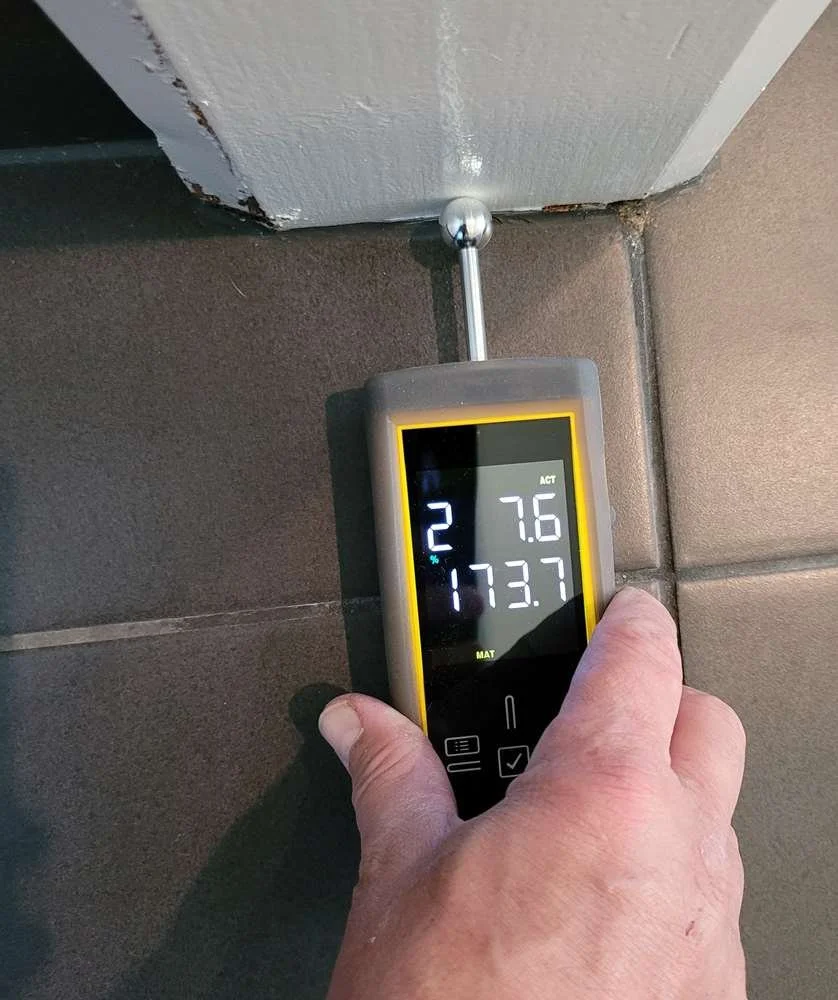
Tools such as thermal imaging cameras, moisture meters, and hygrometers are used to detect moisture that is invisible to the naked eye.
2. Containment
Before remediation begins, affected areas are isolated to prevent cross-contamination to unaffected spaces. This may involve:
- Sealing off rooms with plastic barriers
- Using negative air pressure systems
- Removing or covering non-affected items in adjacent areas
3. Removal of Contaminated Materials
Materials that cannot be salvaged, such as heavily infested drywall, insulation, or carpet, are removed carefully. Non-porous surfaces are cleaned with antimicrobial agents.
4. Cleaning and Disinfection
- Surfaces are scrubbed and treated to remove spores and prevent regrowth.
- HVAC ducts and vents are cleaned to eliminate airborne spores and reduce indoor air contamination.
- Contents that are salvageable are cleaned and restored.
5. Drying and Dehumidification
Specialized air movers, dehumidifiers, and ventilation techniques ensure thorough drying of structural components, particularly in humid coastal environments. Continuous moisture monitoring prevents regrowth.
6. Restoration and Repair
Structural repairs are completed to restore the home, including:
- Replacing removed drywall, insulation, and flooring
- Repairing HVAC and plumbing systems
- Repainting and finishing surfaces to seal against future moisture penetration
Preventive Measures for Homeowners
After remediation, homeowners should take proactive steps to prevent mold:
- Maintain Proper Humidity: Keep indoor humidity between 45–55%.
- Inspect and Maintain AC Systems: Regular cleaning and proper drainage prevent condensation issues.
- Address Water Leaks Promptly: Repair plumbing, roofing, or window leaks immediately.
- Ventilate Moist Areas: Ensure bathrooms, kitchens, and laundry rooms have adequate airflow.
- Regular Professional Inspections: Annual mold inspections detect early signs before they become major problems.
The Importance of Local Expertise
Mold remediation in Aventura requires understanding local environmental factors:
- Year-round high humidity
- Coastal air exposure and salt corrosion
- Storm and hurricane-related water intrusion
- Construction materials and building techniques unique to the area
Tip Top Water and Fire Damage Restoration combines technical expertise with local knowledge to ensure mold remediation is safe, thorough, and tailored to Aventura homes.
Health and Financial Implications
Ignoring mold can lead to:
- Respiratory irritation, allergies, and asthma exacerbation
- Structural deterioration of walls, floors, and ceilings
- Expensive remediation if mold spreads extensively
- Reduced property value and resale potential
Early detection and professional remediation reduce these risks and protect long-term investments.
Final Thoughts
Mold growth in Aventura homes is driven by moisture, warm temperatures, and organic materials. Coastal weather, high humidity, and older construction increase the likelihood of hidden mold and complicate remediation. Professional inspection, testing, and remediation are essential for protecting both property and occupant health.
Property owners who understand the science of mold, act promptly when moisture is detected, and implement preventive strategies can maintain a safe, healthy, and structurally sound home. Proactive mold management in Aventura is not just about remediation—it’s about long-term protection, resilience, and peace of mind.