
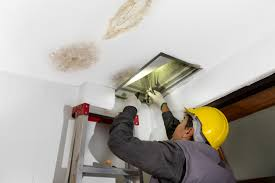
Understanding AC Moisture Repair in Coastal Neighborhoods Near Biscayne Bay After Plumbing Failures
Coastal neighborhoods surrounding Biscayne Bay offer beautiful waterfront living, but homes in these areas constantly face moisture challenges. Properties in North Miami, Miami Shores, Biscayne Park, and nearby bayfront communities experience high humidity levels year-round, making moisture control essential. When plumbing failures occur, moisture problems often spread quickly and frequently lead to complications involving air conditioning systems.
Many homeowners don’t realize how closely plumbing failures and AC moisture problems are connected. After a leak or flooding event, excess moisture can affect HVAC systems, ceilings, walls, and ductwork, creating long-term risks if repairs are not handled properly. Understanding how AC moisture repair works after plumbing failures helps homeowners protect their homes and avoid costly future damage.
How Plumbing Failures Lead to AC Moisture Problems
Plumbing failures are one of the most common causes of indoor water intrusion in coastal homes. Even small leaks can release significant amounts of water over time.
Typical plumbing-related water problems include:
• Burst or leaking supply lines
• Water heater failures
• Overflowing appliances
• Slab leaks beneath flooring
• Bathroom plumbing leaks
• Kitchen sink or dishwasher failures
When plumbing failures occur, water often spreads into walls, ceilings, and floors. If the leak occurs near an air handler closet or ductwork, moisture can enter the AC system area, creating additional problems.
Even after visible water is removed, moisture trapped inside structural materials can continue affecting HVAC systems.
Why Coastal Homes Face Greater Moisture Risks
Homes near Biscayne Bay deal with high humidity levels daily. Even without leaks, coastal air carries moisture that enters buildings continuously.
Local environmental conditions that increase risks include:
• Constant exposure to humid bay air
• Heavy seasonal rainstorms
• High water tables affecting drainage
• Older waterproofing systems in some properties
• AC systems running continuously to combat humidity
• Salt air accelerating equipment corrosion
After plumbing failures, drying becomes more difficult because humid air slows evaporation.
Warning Signs of AC Moisture Problems After Plumbing Leaks
Moisture problems caused by plumbing failures often show warning signs before serious damage becomes visible. Homeowners should watch for early indicators.
Common warning signs include:
• Musty odors near AC vents or closets
• Water stains appearing on ceilings
• Damp carpet or flooring near air handlers
• Peeling paint or bubbling drywall
• Mold forming around vents or baseboards
• Increased indoor humidity
• AC units shutting off unexpectedly
These signs usually indicate moisture has reached areas connected to HVAC systems.
Hidden Damage Often Found During Inspections
Moisture caused by plumbing failures rarely remains in one location. Professional inspections often reveal hidden damage affecting AC systems and nearby structures.
Common hidden moisture areas include:
• Inside wall cavities surrounding air handlers
• Ceiling insulation and drywall
• Flooring beneath HVAC equipment
• Adjacent rooms through shared walls
• Cabinets or closets housing mechanical systems
• Duct insulation inside ceilings or attics
When moisture remains in these spaces, mold growth and structural weakening begin quickly.
Why DIY Solutions Usually Fail
Homeowners sometimes attempt to solve condensation or leak problems by placing containers under units or cleaning visible mold. These efforts rarely correct underlying issues.
DIY fixes often fail because:
• Drain lines remain clogged or damaged
• Hidden moisture remains untreated
• Mold continues growing behind surfaces
• Household drying equipment cannot remove deep moisture
• Odors and stains return later
Without professional inspection and repair, moisture problems often worsen.
How Professional Moisture Detection Identifies Problems
Proper AC moisture repair begins with identifying how plumbing leaks affected HVAC systems and surrounding materials.
Professionals typically perform:
• Inspection of AC drain lines and pans
• Moisture meter testing of walls and flooring
• Thermal imaging to locate hidden damp areas
• Inspection of ductwork insulation
• Humidity measurements in enclosed spaces
• Leak tracing to confirm plumbing sources
This process ensures technicians find both the moisture source and any hidden damage.
Companies like Tip Top Water and Fire Damage Restoration frequently perform moisture inspections across Biscayne Bay communities, helping homeowners resolve issues before mold growth spreads.
Steps Involved in AC Moisture Repair
Once moisture intrusion is identified, repairs focus on correcting both plumbing and HVAC-related issues.
Typical repair steps include:
• Repairing or replacing damaged plumbing components
• Clearing or replacing clogged AC drain lines
• Repairing damaged drain pans
• Drying affected walls, ceilings, and floors
• Replacing wet insulation or drywall when needed
• Sealing or insulating ducts to prevent condensation
• Treating areas to prevent mold growth
Proper repair prevents moisture problems from recurring.
Mold Risks Following Plumbing Failures
Mold growth is one of the biggest concerns after plumbing leaks. Mold thrives in damp, warm environments commonly found around HVAC systems.
Common mold-prone areas include:
• Inside AC closets
• Ceiling cavities around ducts
• Behind drywall near plumbing lines
• Under flooring near water leaks
• Inside duct insulation
Addressing moisture quickly significantly reduces mold risks.
Role of Ductwork in Moisture Spread
After plumbing failures, moisture sometimes enters duct systems, especially if leaks occur near ceilings or air handlers.
Wet insulation or contaminated ducts can circulate humid air throughout the home, slowing drying and spreading odors.
Professional duct inspection and cleaning may be necessary to restore healthy airflow.
Long-Term Prevention After Repairs
Once repairs are complete, homeowners should focus on preventing future plumbing and moisture problems.
Helpful preventive measures include:
• Scheduling annual plumbing inspections
• Replacing aging water supply lines
• Installing leak detection devices
• Maintaining AC systems regularly
• Monitoring indoor humidity levels
• Cleaning condensation drain lines routinely
• Addressing small leaks immediately
Routine maintenance prevents future moisture-related restoration needs.
Why Local Experience Matters for Coastal Repairs
Moisture problems behave differently in coastal communities compared to inland areas. Professionals familiar with Biscayne Bay neighborhoods understand how humidity and construction styles influence moisture spread.
Local specialists recognize common vulnerabilities in bayfront homes and condominiums, allowing faster identification of hidden problems.
Tip Top Water and Fire Damage Restoration regularly assists homeowners in coastal communities near Biscayne Bay with moisture repair solutions tailored to South Florida’s environment.
Acting Quickly Prevents Long-Term Damage
Plumbing failures often start quietly, but moisture spreads quickly when ignored. Hidden dampness leads to mold growth, structural weakening, and indoor air quality problems.
Homeowners who respond quickly when warning signs appear can prevent extensive repairs and protect their homes. Professional moisture detection and repair ensure hidden problems are resolved before they grow worse.
Fast action keeps homes near Biscayne Bay dry, safe, and comfortable despite ongoing coastal humidity challenges.