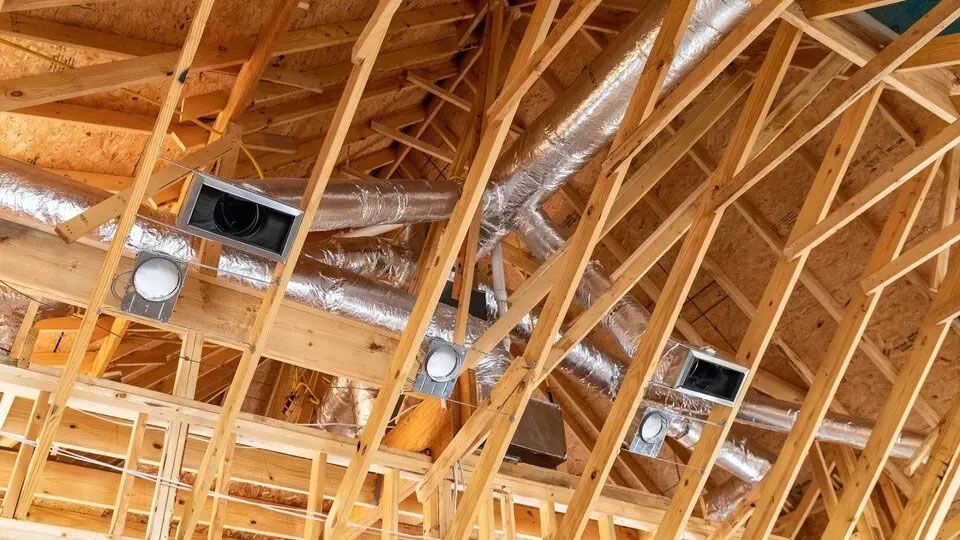
Understanding Air Duct Cleaning in Biscayne Park After Storm Surge
Storm surge can affect a home in ways that are not immediately obvious. While most property owners focus on removing standing water and drying floors and walls, the HVAC system and air ducts are often overlooked. In Biscayne Park, where coastal storms and high humidity are common, ductwork can trap moisture, debris, and airborne particles after flooding or storm surge.
How Storm Surge Affects Air Duct Systems
When storm surge or heavy flooding occurs, moisture can enter homes through doors, windows, or structural openings. Even if ducts are not directly flooded, high humidity and airborne contaminants may enter the system.
Air ducts may be affected by:
- Moisture drawn into return vents
- Dust and debris circulating through the system
- Condensation forming inside ductwork
- Odors trapped in insulation or filters
Because air ducts distribute air throughout the home, contamination in the system can affect multiple rooms.
Why Biscayne Park Homes Are Especially Vulnerable
Biscayne Park and nearby communities such as Miami Shores, North Miami, and Surfside experience conditions that make duct contamination more likely after storms.
High humidity levels
Moist air slows drying and allows condensation to form inside ducts.
Warm temperatures
Heat accelerates the growth of microorganisms in damp environments.
Frequent storm activity
Wind-driven rain and flooding can introduce debris and moisture.
Continuous AC operation
Air conditioning systems may circulate contaminants if ducts are not inspected after flooding.
These conditions make post-storm HVAC inspection an important part of home maintenance.
Signs Air Duct Cleaning May Be Needed After a Storm
Air duct problems are not always visible, but several warning signs may indicate that cleaning is necessary.
Property owners may notice:
- Musty or damp odors when the AC runs
- Dust or residue near vents
- Reduced airflow in certain rooms
- Increased indoor humidity
- Odors that worsen when the system operates
These signs often indicate moisture or debris inside the duct system.
Hidden Problems That Develop in Ductwork
One of the biggest challenges with storm-related duct issues is that contamination often occurs in areas that cannot be seen.
Common hidden concerns include:
- Moist insulation inside ducts
- Debris trapped in duct bends
- Mold developing in damp sections
- Corrosion in metal components
- Odor buildup inside duct linings
In humid coastal climates, these problems can worsen if moisture remains trapped.
Why Cleaning Air Ducts Matters After Storm Surge
Cleaning ducts after storm-related moisture exposure helps prevent long-term problems. Even small amounts of contamination can circulate repeatedly through a home.
Air duct cleaning can help:
- Remove debris and dust introduced during storms
- Reduce odors caused by moisture
- Improve airflow and system efficiency
- Support better indoor air quality
- Prevent mold growth inside ducts
Addressing duct contamination early often prevents larger restoration issues later.
Professionals experienced in coastal conditions often inspect duct systems as part of post-storm assessments. Companies such as Tip Top Water and Fire Damage Restoration frequently evaluate ducts along with structural drying to ensure moisture problems are fully addressed.
How Air Duct Cleaning Is Performed
Air duct cleaning after storm surge typically involves several steps designed to restore the system safely.
1. Inspection of ductwork and HVAC components
Technicians check for moisture, debris, and airflow issues.
2. Cleaning of ducts and vents
Specialized equipment removes dust, residue, and contaminants.
3. Filter replacement and air handler inspection
Filters and system components are checked and cleaned if necessary.
4. Moisture and humidity evaluation
Technicians verify that ducts are dry and airflow is balanced.
5. Final system check
Airflow and performance are confirmed.
Because humidity plays a major role in Biscayne Park homes, drying and ventilation adjustments may also be recommended.
The Role of HVAC Systems in Indoor Air Quality
Air ducts are part of a larger HVAC system that influences indoor air quality. When ducts contain moisture or contaminants, air circulating through the home may carry particles and odors.
Potential indoor air concerns include:
- Persistent musty odors
- Dust accumulation
- Reduced air freshness
- Increased airborne particles
Cleaning and drying ducts help restore normal airflow and comfort.
Mold Risk Inside Air Ducts
Mold is one of the most common concerns following storm surge. When ducts remain damp, mold can develop in insulation or on metal surfaces.
Mold risk increases when:
- Moisture remains trapped in ducts
- Humidity stays high
- Airflow is restricted
- Drying is delayed
Prompt inspection and drying significantly reduce the likelihood of mold growth.
Lessons Learned from Local Homes
Real situations from homes in Biscayne Park reveal several consistent patterns.
Duct contamination often goes unnoticed
Many homeowners focus on visible damage while ducts remain untreated.
Humidity prolongs drying
Even after water removal, ducts may remain damp in humid conditions.
Odors frequently originate in ductwork
Musty smells often disappear only after ducts are cleaned.
Early inspection reduces restoration costs
Homes inspected soon after storms typically required less extensive repairs.
These observations highlight the importance of checking HVAC systems after storm surge.
Practical Steps to Prevent Future Duct Problems
Property owners can reduce the likelihood of duct contamination by following routine maintenance practices.
Helpful steps include:
- Replacing HVAC filters after storms
- Scheduling periodic duct inspections
- Monitoring indoor humidity levels
- Checking attics and duct runs for moisture
- Addressing water leaks promptly
Preventive maintenance often helps avoid larger repairs.
Why Local Experience Matters
Air duct cleaning in coastal South Florida requires understanding how humidity, storms, and building materials interact. Homes in Biscayne Park and nearby communities experience environmental conditions that differ significantly from inland regions.
Professionals familiar with local conditions understand:
- Where condensation commonly forms in duct systems
- How humidity affects drying times
- Which materials are most vulnerable to moisture
- How airflow behaves in coastal climates
This knowledge helps ensure cleaning and drying are thorough and effective.
A Practical Next Step for Property Owners
Storm surge can leave behind hidden moisture and contaminants that affect indoor air quality long after visible water is gone. If you notice odors, dust, or changes in airflow after a storm, having your duct system inspected can help identify problems early.
Working with experienced restoration professionals such as Tip Top Water and Fire Damage Restoration helps ensure that ducts, ventilation systems, and affected areas are properly cleaned and dried. With timely action and routine maintenance, homeowners in Biscayne Park can maintain cleaner air and more efficient HVAC performance throughout the year.