
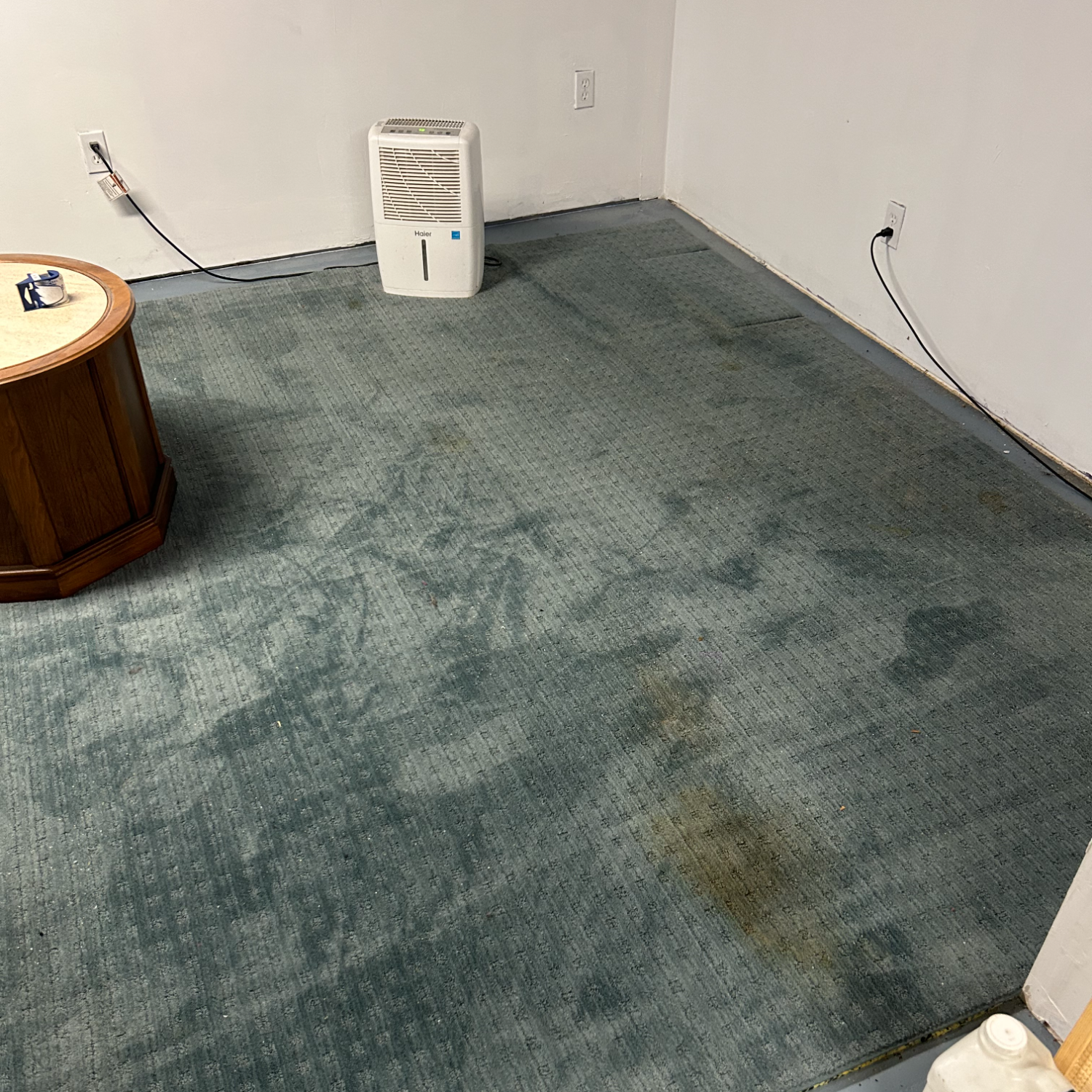
Understanding Carpet Cleaning After Water Damage in Surfside After Heavy Rain
Heavy rain is a normal part of life in Surfside, especially during South Florida’s rainy and hurricane seasons. While residents prepare for storms, many underestimate how quickly heavy rainfall can lead to indoor water damage, particularly to carpets. Even small amounts of water entering a home can soak carpeting and padding, creating moisture conditions that quickly lead to odors, mold growth, and costly repairs.
Carpet cleaning after water damage is not simply about appearance. It involves removing hidden moisture, preventing contamination, and restoring safe living conditions. Understanding how rainwater affects carpets and how proper cleaning works helps Surfside homeowners protect their homes and avoid long-term damage.
How Heavy Rain Leads to Carpet Water Damage
Heavy rainfall often causes water intrusion in ways homeowners don’t immediately notice. Flooding is the most obvious cause, but many water problems begin more subtly.
Rainwater can enter through:
• Sliding glass door gaps
• Window frame leaks
• Balcony and terrace drainage failures
• Roof leaks
• Exterior wall cracks
• Garage or entryway flooding
• Foundation seepage
In Surfside’s coastal buildings, wind-driven rain can push moisture inside through small openings. Water then spreads across floors, soaking carpets and seeping underneath into padding and subfloors.
Even if only a small amount of water is visible, carpeting may hold much more moisture below the surface.
Why Carpet Damage Happens Frequently in Surfside
Surfside homes face moisture challenges year-round due to coastal humidity, but heavy rain dramatically increases the risk of carpet damage.
Several local factors make carpet drying more difficult:
• Constant coastal humidity slows evaporation
• Frequent summer storms saturate structures repeatedly
• Multi-unit condos allow water to spread between units
• Older waterproofing systems may fail during storms
• AC systems already struggle to manage humidity
Seasonal residents who leave properties unattended during storms may not discover water intrusion until days or weeks later, allowing carpets to remain wet for extended periods.
Early Signs Carpets Have Been Damaged
After heavy rain, carpet damage may not be immediately obvious. Homeowners should watch for subtle signs that moisture remains trapped.
Common warning signs include:
• Damp or spongy feeling underfoot
• Persistent musty odors
• Carpet discoloration
• Mold spots appearing near walls or furniture
• Carpet edges lifting or rippling
• Allergy symptoms worsening indoors
These signs often appear days after rainfall, once mold and bacteria begin developing beneath the surface.
Hidden Moisture Beneath Carpets
The biggest challenge after rain intrusion is moisture hidden beneath carpets. Carpet padding absorbs water like a sponge and dries much slower than the surface.
Water often spreads into:
• Carpet padding
• Concrete slab foundations
• Subfloor materials
• Baseboards and drywall
• Adjacent rooms through seams
A carpet that feels only slightly damp may have completely soaked padding underneath. Without professional drying, moisture remains trapped and mold begins forming.
Why DIY Carpet Drying Often Fails
Homeowners frequently attempt to dry carpets themselves using fans, towels, or rental equipment. While helpful for surface moisture, these methods rarely address hidden damage.
DIY drying typically fails because:
• Household fans cannot dry padding deeply
• Moisture spreads beyond visible wet areas
• Mold can develop before full drying occurs
• Odors return after incomplete cleaning
• Home equipment lacks professional drying power
Many homeowners later discover carpets still smell or mold appears, requiring replacement that could have been avoided with early professional help.
Professional Carpet Cleaning and Drying Process
Professional water damage restoration focuses on removing moisture from both carpets and the underlying structure.
A proper restoration process usually includes:
• High-powered water extraction removing surface moisture
• Lifting carpet sections to dry padding and flooring
• Removing and replacing heavily soaked padding when needed
• Industrial dehumidifiers removing moisture from air and materials
• Air movers accelerating drying
• Sanitizing carpets to prevent bacterial growth
• Odor treatment and deodorization
• Moisture testing before reinstalling flooring
Tip Top Water and Fire Damage Restoration frequently performs these services in Surfside after heavy storms, helping homeowners save carpeting that might otherwise require replacement.
Mold Growth Risks from Wet Carpets
Wet carpets create one of the fastest pathways for mold growth inside homes. Mold thrives in damp, dark areas like carpet padding and subfloors.
Mold can spread into:
• Baseboards and drywall
• Furniture touching wet carpet
• Closet floors
• Adjacent rooms
• HVAC systems if moisture spreads
Once mold grows behind walls or under floors, remediation becomes more complicated and costly. Quick carpet drying significantly reduces mold risks.
Air Conditioning and Indoor Humidity Effects
Air conditioning systems play an important role in drying homes after heavy rain, but they can also contribute to moisture problems if not functioning correctly.
AC systems remove humidity from indoor air, but clogged condensation lines or duct moisture can slow drying. In some cases, ducts circulate humid air, making carpets harder to dry.
Ensuring AC systems function properly helps maintain low humidity levels that support drying and prevent mold growth.
Preventing Carpet Damage During Future Storms
While storms cannot be prevented, homeowners can reduce carpet damage risks with preparation and fast response.
Helpful preventive measures include:
• Inspecting windows and doors for leaks
• Maintaining balcony and roof drainage systems
• Keeping gutters and exterior drains clear
• Using weatherproof seals where needed
• Monitoring humidity indoors
• Using dehumidifiers during prolonged rain
• Addressing leaks immediately
Quick action after storms often prevents minor moisture from becoming major carpet damage.
Why Local Restoration Experience Matters
Restoring carpets in coastal communities requires understanding how humidity and building construction affect drying. Surfside homes and condominiums often have unique moisture patterns due to their proximity to the ocean.
Local restoration professionals understand how moisture spreads in beachfront properties and how quickly mold develops in humid environments. Their experience allows faster detection of hidden moisture and more effective drying strategies.
Tip Top Water and Fire Damage Restoration regularly works throughout Surfside and surrounding coastal neighborhoods, helping residents recover quickly after heavy rain without unnecessary disruption.
Acting Quickly Protects Homes and Flooring
Water damage rarely fixes itself. Even small rain intrusions can lead to serious problems if carpets remain wet. Odors, mold growth, and structural damage can appear within days.
Homeowners who act quickly after heavy rainfall can often save their carpets and avoid expensive replacements. Professional moisture detection and cleaning ensure hidden wet areas are addressed before they create long-term issues.
Fast response helps Surfside homes remain clean, healthy, and comfortable long after storms pass.