
Understanding Fire Damage Restoration in Bal Harbour Following Indoor Flooding
Bal Harbour is known for luxury residences, coastal beauty, and comfortable waterfront living. However, even well-maintained homes and condominiums can experience unexpected property damage when indoor flooding occurs. In many situations, flooding and fire damage restoration become connected events. Electrical failures, appliance malfunctions, or short circuits caused by water intrusion can lead to indoor fires, while firefighting efforts then introduce additional water damage into the property.
This combination of fire and flood damage creates unique restoration challenges. Understanding how restoration works after both events occur helps Bal Harbour property owners protect their homes, prevent long-term problems, and restore safe living conditions.
How Indoor Flooding Can Lead to Fire Damage
Many homeowners don’t realize that water and fire damage often occur together. Indoor flooding from plumbing failures or appliance leaks can affect electrical systems, creating dangerous conditions.
Common scenarios include:
• Water leaking into electrical panels or wiring
• Short circuits caused by wet outlets or appliances
• Overheated equipment following electrical failure
• Kitchen appliance malfunctions due to water exposure
• Electrical fires triggered by flooded areas
After a fire is extinguished, firefighters use large volumes of water, adding even more moisture inside the home. Restoration must therefore address both fire and water damage simultaneously.
Why Restoration Is Complex in Bal Harbour Homes
Bal Harbour’s coastal environment makes restoration more challenging than in inland communities. Humidity remains high throughout the year, slowing the drying process after flooding or firefighting efforts.
Local factors complicating restoration include:
• High coastal humidity slowing structural drying
• Salt air accelerating corrosion after fire damage
• Multi-unit buildings allowing water and smoke to spread between units
• Modern airtight construction trapping smoke odors
• Frequent storms interrupting restoration timelines
Even after visible damage is removed, hidden moisture and smoke contamination may continue affecting the home.
Immediate Damage Homeowners Notice
Following a fire event caused or worsened by flooding, homeowners usually see obvious damage right away.
Common immediate issues include:
• Burned or charred materials
• Smoke odors throughout the home
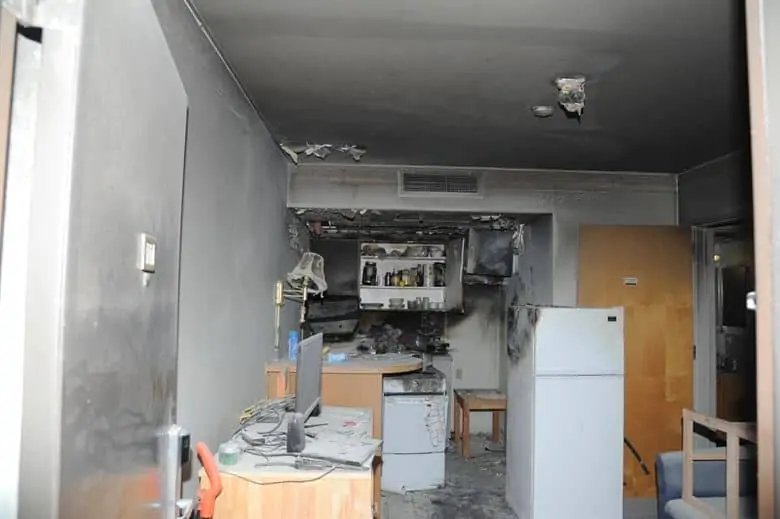
• Soot covering walls, ceilings, and furniture
• Water pooling from firefighting efforts
• Broken windows or structural damage
• Electrical disruptions
However, the restoration challenges often continue long after initial cleanup.
Hidden Problems That Appear Later
Many homeowners believe the situation is resolved once burned materials are removed and surfaces cleaned. In reality, hidden damage often appears later.
Common delayed issues include:
• Smoke odors returning after initial cleaning
• Ceiling stains appearing days later
• Mold growth developing from trapped moisture
• Corrosion forming on metal fixtures
• Paint discoloration or bubbling
• HVAC systems spreading lingering odors
These problems occur because smoke particles and moisture remain trapped inside structural materials.
How Water Damage Worsens Fire Restoration
Water used to extinguish fires spreads throughout the home, sometimes affecting areas untouched by flames.
Moisture frequently spreads into:
• Flooring and subfloors
• Wall cavities and insulation
• Ceiling spaces
• Closets and storage areas
• Adjacent rooms
In Bal Harbour’s humid climate, wet materials dry slowly. Without professional drying, mold growth and structural weakening often follow.
Restoration must address both fire damage and water intrusion simultaneously to prevent long-term complications.
Smoke and Soot Continue Damaging Materials
Soot contains acidic residues that gradually damage materials after a fire. In humid coastal environments, corrosion occurs even faster.
Surfaces commonly affected include:
• Stainless steel appliances
• Electronics and wiring components
• Glass and window frames
• Wood cabinetry and furniture
• Stone countertops and tile grout
If soot remains untreated, damage can worsen weeks after the fire incident.
HVAC Systems Spread Smoke and Moisture
Air conditioning systems often spread smoke contamination during fires. When systems operate while smoke is present, soot enters duct systems and circulates throughout the home.
After flooding and firefighting, moisture may also enter ductwork, spreading humidity and slowing drying efforts.
Professional restoration frequently includes:
• HVAC inspection
• Duct cleaning
• Filter replacement
• Cleaning air handlers
Restoring clean airflow is essential for safe indoor air quality.
Why DIY Cleanup Often Falls Short
Some homeowners attempt to handle cleanup themselves after minor fires or flooding. While surface cleaning helps appearance, hidden contamination often remains.
DIY restoration usually fails because:
• Smoke particles remain inside porous materials
• Odors return after incomplete cleaning
• Soot continues corroding surfaces
• Hidden moisture remains untreated
• HVAC systems continue spreading contaminants
Professional restoration tools and methods are needed to fully eliminate damage.
How Professional Fire and Water Restoration Works
Professional restoration teams follow a structured process to restore safe living conditions after fire and flooding events.
Typical restoration steps include:
• Full property inspection and damage assessment
• Removal of burned or unsafe materials
• Specialized soot and smoke cleanup
• Deep cleaning of affected contents and surfaces
• Odor neutralization treatments
• Water extraction and structural drying
• HVAC system cleaning and inspection
• Repair and rebuilding of damaged areas
Companies such as Tip Top Water and Fire Damage Restoration regularly assist Bal Harbour homeowners in handling these complex restoration situations, ensuring both visible and hidden damage are addressed properly.
Preventing Future Fire and Flood Risks
After restoration, homeowners can reduce risks by addressing common causes of indoor flooding and fire damage.
Helpful preventive measures include:
• Inspecting plumbing regularly
• Replacing aging water supply lines
• Installing leak detection systems
• Updating older electrical systems
• Cleaning dryer vents regularly
• Scheduling HVAC inspections annually
• Shutting off water during extended absences
Routine maintenance reduces risks of combined fire and water damage events.
Why Local Restoration Experience Matters
Restoration in coastal communities requires understanding both fire damage and moisture challenges. Professionals familiar with Bal Harbour properties know how humidity and building construction influence restoration efforts.
Local specialists understand condominium layouts, ventilation patterns, and coastal weather impacts, allowing restoration to proceed efficiently while protecting structures.
Tip Top Water and Fire Damage Restoration regularly works throughout Bal Harbour and nearby communities, offering restoration solutions suited to South Florida’s coastal environment.
Acting Quickly Prevents Long-Term Damage
Fire damage following indoor flooding can feel overwhelming, but quick action significantly reduces long-term problems. Smoke contamination, trapped moisture, and structural damage worsen if restoration is delayed.
Homeowners who begin restoration quickly can prevent mold growth, eliminate persistent odors, and protect property value. Professional restoration ensures homes return safely to comfortable living conditions.
Fast, thorough cleanup allows Bal Harbour residents to recover confidently after both fire and flooding events.