
Understanding Fire Damage Restoration in Bayfront Homes in North Miami During Humid Summer Months
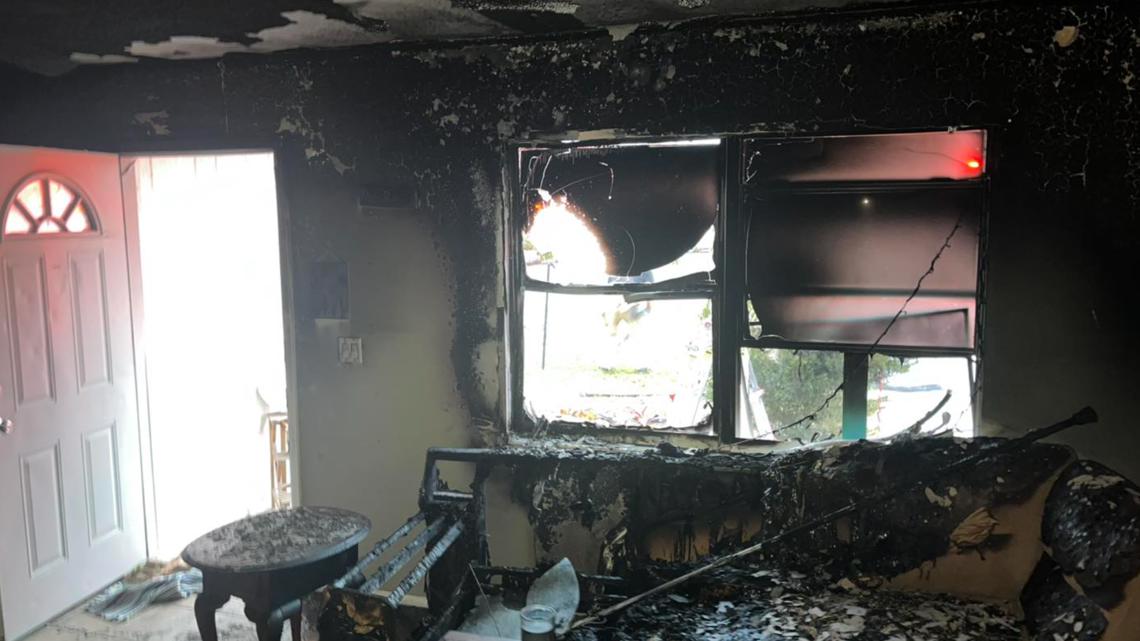
Bayfront living in North Miami offers stunning water views and a relaxed coastal atmosphere, but waterfront homes also face unique challenges when unexpected disasters occur. One of the most difficult events a homeowner can experience is fire damage. Even small fires can leave behind widespread smoke contamination, water damage from firefighting efforts, and lingering indoor air quality problems.
In humid summer months, recovery becomes even more complex. At QualityAir Mold Inspection & Testing, many post-fire inspections reveal hidden moisture and contamination issues that homeowners didn’t realize were still present after cleanup. High humidity slows drying, increases odor persistence, and raises the risk of mold growth if restoration is not handled properly.
Understanding how fire damage restoration works—and what makes recovery different in North Miami’s humid coastal climate—helps homeowners restore properties safely while preventing long-term damage.
A Common Scenario in Bayfront North Miami Homes
A typical fire event begins with something small: a kitchen fire, electrical malfunction, or AC-related incident. Flames may be extinguished quickly, but smoke spreads throughout the home, traveling through vents, walls, and ceiling spaces.
Firefighters often use large amounts of water to extinguish flames, leaving parts of the home soaked. Cleanup crews then remove debris, clean visible soot, and begin restoration work.
Weeks later, however, homeowners often notice lingering odors or humidity problems. Some rooms feel damp, and staining may reappear. During professional inspections, moisture is frequently found trapped behind walls or beneath flooring where mold growth has begun developing.
Because summer humidity remains high, materials never fully dry without proper restoration methods.
This situation is common in North Miami waterfront homes where coastal moisture slows recovery.
Why Summer Humidity Complicates Fire Damage Recovery
Fire damage restoration is not only about removing burned materials. It also involves dealing with water and moisture left behind during firefighting efforts.
In humid climates like North Miami, drying becomes more difficult because:
- Outdoor humidity slows evaporation
- Moisture remains trapped inside building materials
- Damp materials absorb smoke odors more easily
- Mold growth risk increases rapidly
- HVAC systems may circulate humidity and odors
Even after visible water is removed, hidden moisture often remains inside insulation, drywall, or flooring.
If materials are not dried completely, long-term problems may develop.
How Smoke and Fire Damage Spread Inside Homes
Fire damage often affects far more areas than homeowners initially expect. Smoke particles travel throughout the building, settling on surfaces and inside ventilation systems.
Common hidden damage includes:
- Smoke residue inside air ducts
- Soot embedded in insulation
- Odors trapped in walls and ceilings
- Contaminated carpeting or flooring
- Moisture trapped inside framing
Air-conditioning systems may distribute smoke odors throughout the home if duct systems are not properly cleaned.
In bayfront homes, open floor plans and ventilation pathways often allow smoke to spread quickly, increasing restoration complexity.
Why Water Damage Is Often Overlooked After Fires
Many homeowners focus on repairing burned areas while overlooking water damage left behind.
Fire suppression efforts often soak surrounding rooms, ceilings, and floors. Water travels into wall cavities and beneath flooring where it remains hidden.
In humid coastal climates, materials dry slowly. Even when surfaces appear dry, deeper layers may still contain moisture.
Long-term consequences may include:
- Warped flooring
- Soft drywall
- Cabinet deterioration
- Persistent musty odors
- Mold development
Proper restoration requires both smoke cleanup and moisture removal.
Fire Damage Restoration vs. Mold Inspection
Fire restoration companies primarily focus on debris removal, smoke cleanup, and structural repairs. However, inspection services play an important role in confirming that hidden moisture has been eliminated.
A professional mold inspection identifies damp materials and determines whether mold growth has begun following firefighting efforts.
Indoor air quality testing may also be recommended if odors or air concerns remain after restoration.
QualityAir Mold Inspection & Testing focuses on inspection and testing so restoration efforts address hidden moisture conditions rather than only visible repairs.
Inspection helps confirm restoration was successful.
Why DIY Fire Cleanup Often Leads to Ongoing Problems
Some homeowners attempt partial cleanup themselves to reduce restoration costs. While early cleaning efforts may help, DIY methods rarely address hidden damage.
Painting over smoke stains traps odors behind surfaces, causing smells to return later. Household fans or small dehumidifiers cannot effectively dry soaked materials.
Another common mistake is failing to inspect HVAC systems, allowing smoke contamination to circulate throughout the home.
Professional restoration and inspection prevent recurring issues.
What Inspectors Look for After Fire Damage Restoration
Professional inspections after restoration follow a structured approach.
Inspectors begin by reviewing the fire incident timeline and restoration efforts, including how much water was used and which areas were affected.
A visual inspection evaluates ceilings, walls, flooring, HVAC systems, and adjacent rooms for signs of moisture spread or smoke residue.
Moisture meters and thermal imaging cameras help detect hidden damp materials behind surfaces without unnecessary demolition.
If mold contamination is suspected, air or surface samples may confirm contamination levels.
Homeowners receive a detailed report explaining findings and recommended next steps.
An Insight Many Bayfront Homeowners Don’t Expect
One surprising observation from many inspections is that fire damage problems often return because of moisture—not remaining smoke.
In humid summer conditions, materials absorb moisture after cleanup. Odors return as trapped moisture releases contaminants again, and mold may begin developing in hidden spaces.
Routine follow-up inspections after restoration often prevent larger repair costs later.
Practical Prevention Steps After Fire Restoration
Preventing long-term problems requires careful follow-up after cleanup.
Professional drying equipment should operate until moisture readings confirm materials are dry. Repairs should not begin until drying is verified.
HVAC systems should be inspected and cleaned to prevent odor circulation.
Dehumidifiers may be needed to control humidity during summer months.
Walls and flooring should be checked for hidden moisture before reconstruction.
Follow-up inspections ensure restoration efforts succeeded.
Why Local Experience Matters in North Miami Bayfront Homes
Fire restoration recovery behaves differently in coastal climates compared to inland regions. Inspectors must understand how North Miami’s humidity and storm patterns influence drying conditions.
Our experience inspecting waterfront homes throughout North Miami allows us to quickly recognize moisture patterns specific to bayfront properties and recommend practical solutions suited to coastal environments.
Local expertise results in faster identification of risks and realistic prevention strategies.
Practical Guidance for North Miami Homeowners
If your bayfront home has experienced fire damage and humidity or odors persist after cleanup, professional inspection can confirm whether hidden moisture problems remain.
QualityAir Mold Inspection & Testing provides professional mold inspection and indoor air quality evaluation services while coordinating remediation when necessary.
Taking action early protects indoor comfort, prevents hidden structural damage, and helps maintain long-term property value in North Miami’s humid coastal environment.
Fire damage restoration should never end with surface repairs alone. Proper moisture verification ensures that smoke and water damage do not quietly become costly mold or structural problems later.