
Understanding Flood Restoration in Bal Harbour During Humid Summer Months
Bal Harbour is known for luxury waterfront living, upscale residential towers, and beautiful coastal surroundings. However, property owners in this community face a recurring challenge during South Florida’s humid summer season: flooding and the moisture problems that follow. Heavy rainfall, tropical storms, plumbing failures, and storm surge events frequently introduce water into homes and condominiums, leaving behind damage that extends far beyond what is visible.
Flood restoration becomes critical not only to remove water but also to prevent long-term structural damage and indoor air quality problems. Understanding how flood restoration works—and why it is especially important during humid summer months—helps Bal Harbour property owners protect their investments and maintain safe living environments.
Responding quickly after flooding makes recovery smoother and prevents future complications.
How Flooding Impacts Homes in Bal Harbour
Flooding in Bal Harbour can happen in several ways. Summer storms often bring intense rainfall in short periods, overwhelming drainage systems. Wind-driven rain may enter buildings through windows or roof openings, and storm surge events sometimes push water inland into ground-level residences.
High-rise condominium units may also experience flooding from plumbing failures in neighboring apartments or mechanical rooms. Once water enters a property, it spreads rapidly into carpeting, flooring, drywall, and cabinetry.
Even when standing water is removed, moisture frequently remains trapped in hidden areas. Because materials absorb water quickly, damage continues developing long after flooding appears to be resolved.
Professional restoration ensures moisture is fully removed before repairs begin.
Why Summer Humidity Makes Flood Damage Worse
Summer in Bal Harbour brings consistently high humidity levels, which create additional challenges after flooding. Moisture trapped inside building materials dries slowly when surrounding air is already saturated with humidity.
Warm temperatures further accelerate mold growth in damp environments. Within 24 to 48 hours, mold can begin forming on wet surfaces, particularly in concealed spaces such as walls or ceilings.
Humidity also causes odors to linger longer after flooding. Damp materials continuously release moisture into indoor air, making spaces feel uncomfortable even after visible water disappears.
Professional drying equipment becomes essential to restore safe conditions.
Warning Signs That Flood Restoration Is Needed
Not all flood damage appears immediately. Many homeowners assume cleanup is complete, only to discover problems days or weeks later.
Common warning signs include:
Persistent musty or damp odors
Ceiling or wall discoloration
Warping or buckling floors
Peeling paint or bubbling drywall
Damp carpeting or rugs
Unexpected indoor humidity
These symptoms indicate moisture remains hidden inside structural materials. Ignoring early signs allows damage to worsen and mold to spread.
Scheduling restoration quickly prevents larger problems later.
Hidden Moisture Problems After Flooding
Floodwater rarely stays confined to visible areas. It frequently travels behind walls, beneath floors, and into ceiling cavities before drying.
Professional inspections often uncover:
Wet insulation inside walls
Moisture trapped beneath flooring
Damp cabinetry and baseboards
Water inside ceiling spaces
Moisture inside HVAC duct systems
Because these areas remain concealed, contamination may continue spreading unnoticed. Mold growth frequently develops in these hidden locations.
Proper flood restoration removes moisture from both visible and concealed areas.
Why DIY Cleanup Often Falls Short
Some property owners try to handle flood cleanup themselves using mops, fans, or household cleaning products. While this may help surface drying, it rarely removes moisture trapped inside materials.
Carpet padding, insulation, and subfloors often remain wet even when surfaces feel dry. Without proper drying equipment, moisture continues causing damage behind the scenes.
DIY efforts also fail to sanitize contaminated surfaces after floodwater intrusion, especially when water carries debris or bacteria.
Professional restoration ensures both drying and sanitization occur properly.
Professional Inspection and Moisture Detection
Flood restoration begins with a comprehensive inspection. Specialists evaluate how far moisture has spread and determine which materials are affected.
Moisture meters detect dampness hidden behind surfaces, while thermal imaging equipment helps identify concealed wet areas. HVAC systems are also inspected since moisture sometimes enters ductwork or air handlers.
Accurate assessment ensures restoration addresses all affected areas rather than only visible damage.
Inspection helps prevent moisture from remaining hidden after cleanup.
The Flood Restoration Process Explained
Once inspection is complete, restoration professionals begin removing standing water using commercial-grade extraction equipment. Quick water removal reduces structural damage and limits mold risk.
Saturated materials that cannot dry safely, such as damaged drywall or carpet padding, may need removal. This prevents moisture from lingering inside the structure.
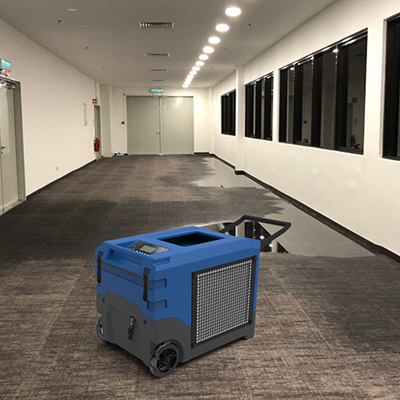
Industrial air movers and dehumidifiers are then installed to dry walls, floors, and ceilings thoroughly. Drying typically continues for several days depending on the severity of flooding.
After materials reach safe moisture levels, repairs restore damaged areas. Repairs may include replacing drywall, repainting, restoring flooring, or repairing cabinetry.
Companies like Tip Top Water and Fire Damage Restoration frequently assist Bal Harbour property owners through both drying and restoration stages after flooding events.
Proper restoration ensures homes return to safe living conditions.
Cleaning and Sanitizing After Flood Events
Floodwater often introduces contaminants into homes, particularly when water enters from outside or through plumbing backups. Professional cleaning and sanitization eliminate bacteria and reduce health risks.
Antimicrobial treatments clean surfaces and help prevent mold growth. Proper sanitization also removes odors caused by contamination.
Once cleaning and repairs are complete, properties regain comfortable living conditions.
Sanitization is an essential step in flood recovery.
HVAC Systems and Flood Damage Concerns
Air conditioning systems often become involved in flood events. Water entering mechanical rooms or ceiling spaces may damage ductwork or air handlers.
Wet duct insulation can spread odors or mold spores throughout the property once systems operate again. Inspection and cleaning ensure HVAC systems function safely after flooding.
Maintaining HVAC systems after restoration helps prevent recurring moisture problems.
Clean airflow supports indoor comfort and safety.
Preventing Future Flood Damage in Bal Harbour Homes
While flooding cannot always be prevented, proactive maintenance significantly reduces risks. Property owners can protect homes by:
Inspecting roofs and windows regularly
Maintaining drainage systems
Repairing plumbing leaks immediately
Keeping AC drain lines clear
Monitoring indoor humidity levels
Scheduling inspections after storms
Elevating vulnerable equipment and using moisture-resistant materials in flood-prone areas also help reduce damage risks.
Preventive measures minimize restoration needs later.
Why Local Restoration Experience Matters
Flood restoration in coastal communities differs from restoration in inland regions. Professionals familiar with Bal Harbour understand local building designs, humidity patterns, and storm-related moisture risks unique to beachfront properties.
Local experience allows restoration teams to identify recurring trouble spots quickly and recommend solutions suited to coastal conditions.
Tip Top Water and Fire Damage Restoration regularly assists homeowners throughout Bal Harbour and nearby communities dealing with moisture and flood-related challenges.
Local knowledge speeds recovery and improves restoration outcomes.
A Practical Path Forward for Property Owners
Flooding during humid summer months can feel overwhelming, but understanding restoration helps homeowners respond confidently. Quick water removal, professional drying, and proper repairs prevent long-term damage and mold growth.
For Bal Harbour property owners, acting quickly after flooding transforms recovery into a manageable process. With proper maintenance and inspections, homes remain protected despite South Florida’s challenging summer weather.
Flood restoration becomes a temporary recovery step rather than a recurring issue when handled correctly.