
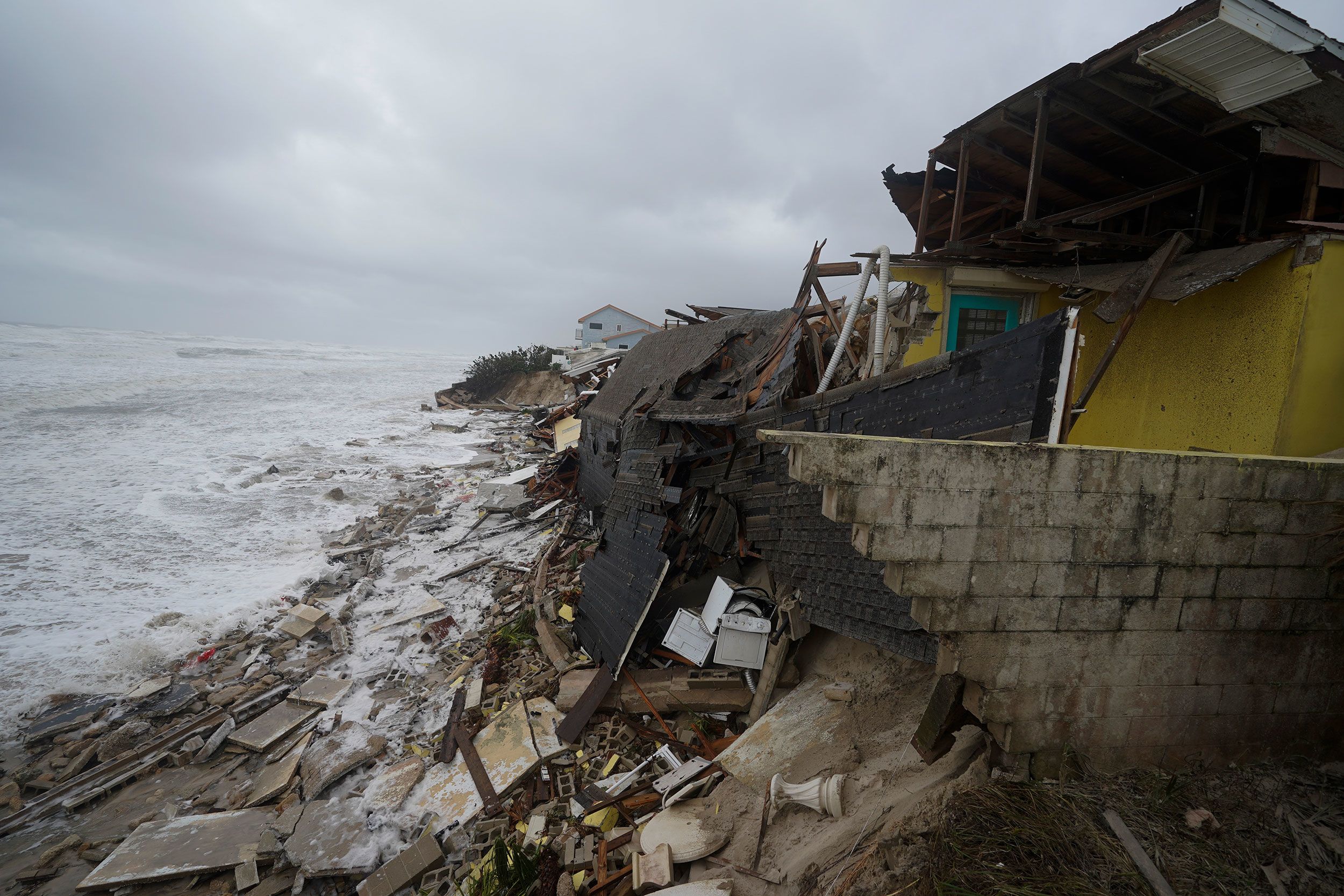
Understanding Flood Restoration in North Miami Beach After Storm Surge
Storm surge flooding is one of the most damaging weather events affecting coastal communities, and North Miami Beach properties are particularly vulnerable. When storms push ocean and bay water inland, homes and buildings can experience sudden and severe flooding, often without the intense rainfall people usually associate with water damage.
For homeowners, landlords, and property managers in North Miami Beach, understanding how flood restoration works after a storm surge is essential. Acting quickly and correctly not only restores the property but also prevents long-term issues such as mold growth, structural weakening, and ongoing indoor air quality problems.
Knowing what to expect after a surge event can help property owners make calm, informed decisions during a stressful time.
What Storm Surge Flooding Really Means
Storm surge occurs when powerful storms push large volumes of water toward shore, causing sea levels to temporarily rise above normal tides. Unlike regular rainfall flooding, surge water often arrives rapidly and can enter homes through doors, garages, windows, and ground-level openings.
In North Miami Beach and surrounding waterfront communities, surge water can move through neighborhoods quickly, affecting homes blocks away from the coastline or Intracoastal waterways. Even properties not directly on the water can experience flooding when drainage systems become overwhelmed.
Storm surge water is also more damaging than typical rainwater because it often contains salt, debris, fuel residues, and contaminants that increase corrosion and structural damage.
Why North Miami Beach Properties Face High Flood Risk
North Miami Beach sits in a low-lying coastal zone surrounded by waterways, canals, and Biscayne Bay. Many homes are built near or just above sea level, making them particularly vulnerable during storms.
In addition, South Florida’s soil and drainage systems can struggle to handle rapid water increases during surge events. Older properties, aging seawalls, and compromised drainage systems can allow water intrusion even when storms are not severe.
Condos and waterfront homes in nearby communities such as Sunny Isles Beach, Aventura, and Surfside face similar risks, especially during hurricane season or strong tropical storms.
Immediate Problems After Storm Surge Flooding
When homeowners return after a surge event, they often encounter visible damage, including:
Standing water inside living areas
Water-soaked carpets and flooring
Wet drywall and insulation
Mud or debris deposits indoors
Warped wood surfaces
Strong musty or damp odors
However, many of the most serious problems are not immediately visible. Water frequently seeps behind walls, under floors, and into structural components.
Without professional restoration, hidden moisture continues causing damage long after visible water disappears.
Hidden Damage Commonly Found During Inspections
Flood restoration inspections often reveal issues homeowners did not initially notice. Professionals frequently discover:
Water trapped inside walls and ceilings
Moisture under tile or laminate flooring
Damaged insulation holding water
Electrical systems exposed to moisture
Mold growth beginning within 24–48 hours
Corrosion of metal components due to saltwater exposure
Because coastal floodwater often contains salt, damage can progress faster than with freshwater flooding.
Proper inspection ensures restoration addresses the full extent of contamination and moisture.
Step One: Property Inspection and Damage Assessment
Flood restoration begins with a comprehensive inspection. Restoration professionals evaluate how deeply water penetrated the structure and which materials are salvageable.
Moisture detection tools measure dampness behind walls and under flooring. Inspectors also check HVAC systems, electrical components, and structural areas for safety concerns.
This evaluation forms the basis of the restoration plan and determines which materials must be removed or restored.
Step Two: Water Removal and Initial Cleanup
Removing standing water is the first active restoration step. High-powered pumps and extraction equipment eliminate remaining floodwater from interior spaces.
Once water is removed, debris and contaminated materials are cleared away. Mud, damaged furnishings, and soaked building materials may need removal to prevent further contamination.
Fast action is critical, as mold growth can begin rapidly in North Miami Beach’s warm climate.
Step Three: Drying and Dehumidification
After water extraction, professional drying equipment is installed. Air movers and industrial dehumidifiers reduce moisture levels inside building materials.
Drying may take several days, depending on how deeply water penetrated the structure. Restoration teams monitor moisture levels continuously to ensure hidden dampness is fully eliminated.
Proper drying prevents long-term mold growth and structural damage.
Step Four: Cleaning and Sanitization
Storm surge water often contains contaminants that require professional sanitization. Surfaces are cleaned and treated using antimicrobial solutions to remove bacteria and prevent mold growth.
This step is especially important in kitchens, bathrooms, and areas where contaminated water may have contacted household surfaces.
Proper sanitization restores safe living conditions.
Step Five: Mold Prevention and Remediation
In coastal environments, mold can develop quickly after flooding. If contamination is discovered, mold remediation procedures may be necessary.
Containment barriers prevent spores from spreading, while affected materials are safely removed or cleaned. Addressing mold early prevents indoor air quality problems and future repair costs.
Companies such as Tip Top Water and Fire Damage Restoration frequently encounter mold concerns following storm surge events in North Miami Beach.
Step Six: Repairs and Restoration Work
After cleanup and drying are complete, restoration repairs begin. This stage restores the home to its pre-loss condition.
Common repairs include replacing drywall, reinstalling insulation, repairing flooring, repainting surfaces, and restoring damaged cabinetry or fixtures.
Completing repairs quickly helps homeowners return to normal living conditions and protects property value.
HVAC Systems and Flood Impact
Floodwater often affects HVAC components located at ground level. Air handlers, ducts, and electrical connections may require inspection or replacement.
Contaminated ducts can spread odors and moisture throughout the home if not properly addressed. Cleaning or replacing affected components ensures healthy airflow once the system is restarted.
Preventing Future Flood Damage
While surge events cannot be prevented, homeowners can reduce future damage risks by elevating vulnerable systems, sealing openings, and maintaining drainage systems.
Routine property inspections before hurricane season help identify vulnerabilities such as aging seals, roof issues, or drainage concerns.
Maintaining proper insurance coverage and emergency plans also reduces recovery stress.
Why Local Restoration Experience Matters
Restoration professionals familiar with North Miami Beach understand coastal building structures, local flood patterns, and moisture behavior in South Florida environments.
Local experience allows faster identification of common damage patterns and helps ensure restoration plans match real coastal conditions rather than generic approaches.
Tip Top Water and Fire Damage Restoration has worked with many property owners in North Miami Beach facing flood damage, helping them move through restoration with greater confidence.
Moving Forward After Storm Surge Damage
Storm surge flooding is disruptive, but professional restoration allows homes and businesses to recover safely. Quick action, proper drying, and thorough repairs prevent long-term damage and restore comfort.
For North Miami Beach homeowners, understanding the restoration process provides clarity and reassurance during recovery.
With proper restoration and preparation, properties can recover fully and remain protected against future coastal storms.