
Understanding Moisture Detection in Sunny Isles Beach Rental Properties
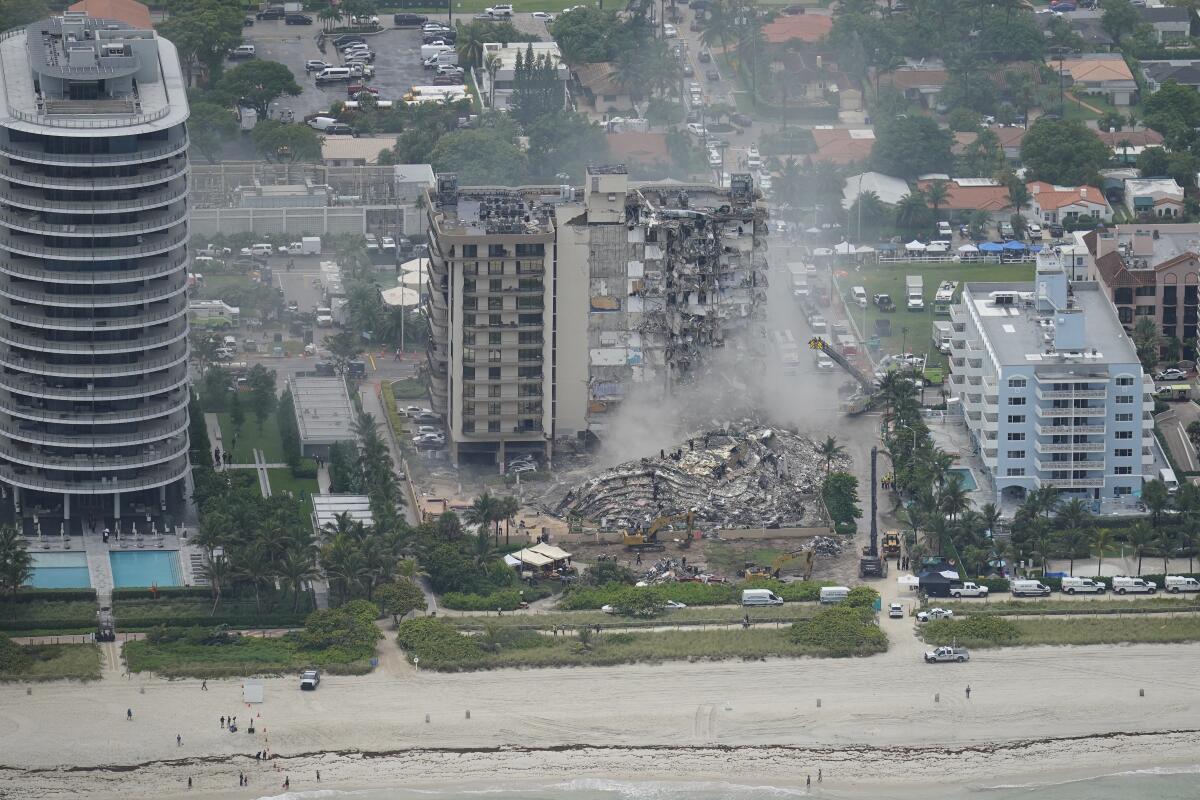
Sunny Isles Beach is known for its oceanfront high-rises, luxury condominiums, and steady rental demand. Located along the Atlantic coast in Miami-Dade County, this vibrant community experiences high humidity, frequent rainstorms, and occasional tropical weather systems. While these coastal conditions make for beautiful scenery, they also create persistent moisture challenges—especially in rental properties.
For landlords, property managers, and real estate investors, understanding moisture detection is not just a maintenance concern; it is a financial and legal necessity. Undetected moisture can lead to mold growth, structural deterioration, tenant complaints, health concerns, and costly restoration projects. In competitive rental markets like Sunny Isles Beach, maintaining safe and well-maintained units is essential for protecting both property value and reputation.
This comprehensive guide explains how moisture issues develop in rental properties, why detection is critical, what methods professionals use, and what property owners often overlook.
Why Moisture Is a Major Concern in Sunny Isles Beach Rentals
Sunny Isles Beach sits directly along the coast, meaning properties are exposed to:
- High year-round humidity
- Salt-laden air that accelerates corrosion
- Heavy seasonal rain
- Tropical storms and hurricanes
- High-rise construction with complex HVAC systems
Rental properties—particularly condominiums—face additional challenges:
- Frequent tenant turnover
- Inconsistent reporting of small leaks
- Limited oversight of day-to-day maintenance
- Shared plumbing systems in multi-unit buildings
Moisture problems can remain hidden for weeks or months before becoming visible. By the time stains appear on ceilings or floors begin to warp, significant hidden damage may already exist.
Common Moisture Sources in Rental Properties
1. Air Conditioning Systems
In Sunny Isles Beach, AC systems operate nearly year-round. Condensate lines can clog, drip pans can overflow, and ducts can develop condensation. In high-rise buildings, vertical drainage systems serve multiple units, increasing the risk of backup or leaks.
2. Plumbing Leaks
Rental units often experience wear from repeated use. Leaks may develop:
- Under sinks
- Behind toilets
- Around showers and bathtubs
- Inside walls from aging pipes
- In shared building plumbing stacks
Even a slow drip can saturate drywall, subflooring, or insulation over time.
3. Roof and Window Intrusion
Top-floor units are vulnerable to roof leaks, while all units can experience water intrusion through improperly sealed windows or balcony doors during heavy rain.
4. Appliance Failures
Water heaters, dishwashers, washing machines, and refrigerators with ice makers are frequent culprits. Tenants may not immediately notice slow leaks behind appliances.
5. Adjacent Unit Leaks
In multi-unit buildings, water damage may originate from neighboring apartments. A leak from an upper unit can travel downward into ceilings, light fixtures, and walls.
Why Moisture Detection Is Essential for Landlords
Moisture detection in rental properties serves several critical purposes:
Protecting Structural Integrity
Moisture weakens drywall, wood framing, flooring adhesives, and structural supports. Early detection prevents major reconstruction.
Preventing Mold Growth
Florida’s climate creates ideal conditions for mold once moisture is present. Mold remediation can be expensive and disruptive to tenants.
Maintaining Indoor Air Quality
Moisture-related contaminants affect tenant comfort and health. Poor air quality can lead to complaints and potential liability concerns.
Avoiding Legal and Insurance Issues
Landlords are responsible for providing safe and habitable living conditions. Failure to address moisture issues promptly can lead to disputes or denied insurance claims if neglect is suspected.
Preserving Property Value
Rental income depends on maintaining attractive, livable units. Unresolved moisture damage reduces long-term property value.
Early Warning Signs Often Overlooked
Landlords and property managers should watch for:
- Faint musty odors
- Minor paint bubbling
- Slight warping in baseboards
- Small ceiling discoloration spots
- Peeling caulk in bathrooms
- Increased indoor humidity
- Condensation on windows
- Tenant complaints of dampness
These subtle signs often indicate hidden moisture behind walls or beneath flooring.
Professional Moisture Detection Methods
Modern moisture detection goes far beyond visual inspection. Professionals use specialized tools to identify hidden water before it becomes visible damage.
1. Moisture Meters
Handheld moisture meters measure water content in building materials like drywall, wood, and concrete. They provide quick readings and help identify abnormal moisture levels.
2. Thermal Imaging Cameras
Infrared cameras detect temperature differences that suggest moisture accumulation behind walls or ceilings. Wet materials often appear cooler due to evaporation.
Thermal imaging is especially useful in high-rise condos where invasive inspections are impractical.
3. Hygrometers
These devices measure indoor humidity levels. High humidity readings may indicate ventilation or hidden moisture issues.
4. Borescopes
Small cameras inserted through tiny openings allow technicians to inspect inside walls or ceiling cavities without major demolition.
5. Leak Detection Equipment
Advanced acoustic and pressure-based systems locate hidden plumbing leaks inside walls or slabs.
Moisture Detection in High-Rise Condominiums
Sunny Isles Beach features numerous high-rise rental properties. Moisture detection in these buildings presents unique challenges:
- Shared plumbing systems
- Concrete slab construction
- Central HVAC systems
- Vertical water migration between floors
- Limited access to exterior walls
In high-rises, water often travels laterally and vertically before becoming visible. Moisture detection must account for:
- Upper-level units
- Shared walls
- HVAC shafts
- Mechanical rooms
Professional coordination with building management is often necessary to trace moisture to its true source.
The Moisture Detection Process Step-by-Step
A thorough inspection typically includes:
Step 1: Visual Assessment
Inspectors check for stains, cracks, bubbling paint, warped flooring, and signs of corrosion.
Step 2: Moisture Mapping
Using meters and thermal imaging, technicians create a map of affected areas.
Step 3: Identifying the Source
Plumbing systems, AC units, rooflines, and exterior seals are examined.
Step 4: Documentation
Detailed reports include readings, photographs, and recommendations.
Step 5: Repair Recommendations
If moisture is found, repair strategies may include:
- Plumbing repairs
- AC drain line cleaning
- Sealant replacement
- Drywall removal
- Dehumidification
- Structural drying
The Role of Routine Inspections in Rentals
Because tenants may not always report minor issues immediately, landlords should implement routine inspections:
- Annual moisture assessments
- HVAC servicing
- Plumbing checks
- Roof and window seal inspections
- Bathroom caulking evaluation
Preventive inspections reduce emergency repair costs and help maintain tenant satisfaction.
Tenant Communication and Moisture Awareness
Property managers should educate tenants to report:
- Leaks under sinks
- AC dripping
- Water heater noises
- Ceiling stains
- Persistent odors
Clear communication policies help detect moisture issues early.
Preventive Strategies for Rental Properties
To minimize moisture risks in Sunny Isles Beach rentals:
- Install overflow shut-off switches for AC units
- Maintain proper grading and drainage
- Replace aging plumbing components
- Ensure proper bathroom ventilation
- Seal windows and balcony doors
- Monitor indoor humidity levels
- Schedule regular HVAC maintenance
Preventive investment is far less costly than major restoration.
Consequences of Ignoring Moisture Problems
Failure to detect and repair moisture can result in:
- Mold remediation expenses
- Structural reconstruction
- Tenant relocation costs
- Insurance claim disputes
- Property devaluation
- Reputation damage in the rental market
In high-end rental communities like Sunny Isles Beach, tenant expectations are high. Prompt maintenance protects long-term profitability.
Why Local Expertise Matters
Moisture detection in coastal Florida requires understanding:
- Salt-air corrosion
- High humidity dynamics
- Hurricane-related water intrusion
- High-rise HVAC systems
- Building code requirements
Local restoration professionals understand these environmental factors and tailor detection strategies accordingly.
Tip Top Water and Fire Damage Restoration provides moisture detection and water damage services throughout Sunny Isles Beach, Aventura, North Miami Beach, Bal Harbour, and surrounding areas. Their familiarity with coastal construction and condominium layouts allows for efficient and accurate moisture assessments.
Conclusion
Moisture detection in Sunny Isles Beach rental properties is not optional—it is essential. The region’s humidity, coastal exposure, and high-rise construction make hidden water damage a constant risk. For landlords and property managers, proactive detection protects structural integrity, tenant health, and long-term investment value.
By utilizing professional tools such as moisture meters, thermal imaging, and leak detection systems, property owners can identify hidden issues early and prevent costly repairs. Routine inspections, tenant education, and preventive maintenance further reduce risk.
In a competitive rental market, maintaining dry, safe, and comfortable living spaces is key to protecting income and reputation. Moisture detection is not just a repair strategy—it is a critical component of responsible property management in Sunny Isles Beach.