
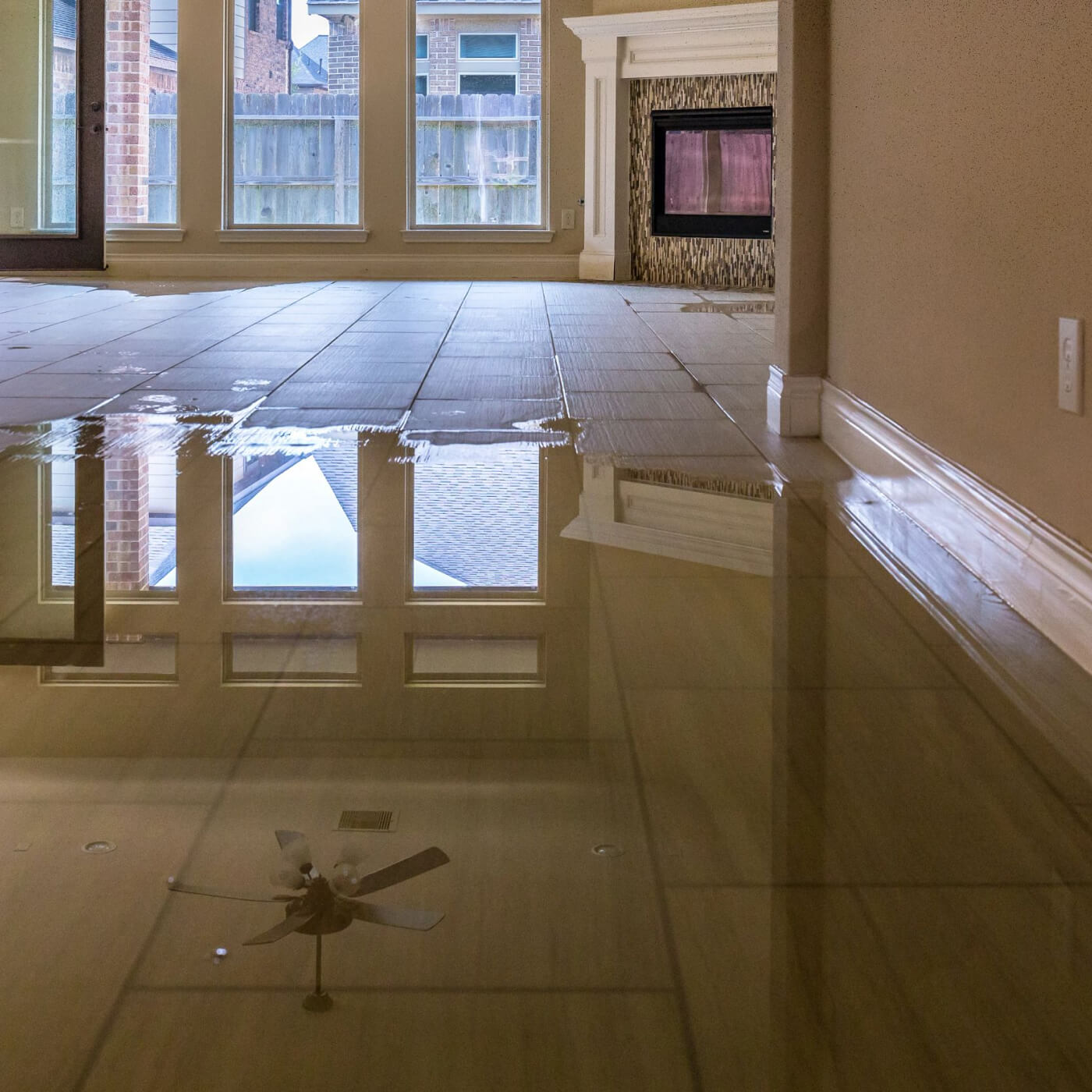
Understanding Mold Remediation in Bal Harbour Following Indoor Flooding
Bal Harbour homes and condos are known for luxury living, waterfront views, and modern construction, yet even well-maintained properties face a recurring challenge: indoor flooding. Whether caused by storms, plumbing failures, or AC-related issues, indoor flooding frequently leads to mold problems when moisture is not fully removed.
Many property owners assume once standing water is gone, the problem is resolved. However, real-world restoration projects across Bal Harbour show that hidden moisture often remains behind walls, beneath flooring, and inside ceilings. Within days, mold can begin growing in these concealed areas, creating conditions that require professional remediation.
Understanding how mold develops after flooding helps homeowners and property managers respond quickly, protect property value, and restore safe living conditions.
What Happens After Indoor Flooding
When flooding occurs inside a home or condominium, water spreads rapidly across floors and into surrounding materials. Carpets, drywall, insulation, and wood framing absorb moisture almost immediately.
Even after visible water is removed, moisture often remains trapped inside building materials. These damp conditions allow mold spores, which naturally exist in the environment, to begin growing.
Mold growth often starts within 24 to 48 hours after flooding if materials remain wet. Because much of this process happens out of sight, homeowners may not notice contamination until odors or stains appear.
Professional mold remediation becomes necessary when mold spreads beyond small, cleanable areas.
Why Flooding Causes Mold Problems in Bal Harbour
Bal Harbour’s coastal environment increases mold risks following indoor flooding. High humidity levels slow natural drying, allowing moisture to remain trapped longer than in drier climates.
Seasonal storms and heavy rain frequently cause water intrusion through roofs, windows, and balconies. High-rise buildings sometimes experience plumbing leaks that affect multiple units, allowing moisture to travel through shared structural spaces.
Air conditioning systems, which operate continuously in South Florida, can also contribute to moisture problems if condensate drainage fails after flooding events.
Because humidity remains high year-round, homes here rarely dry completely without professional equipment.
Early Signs Mold Is Developing After Flooding
After flooding, homeowners should watch for warning signs indicating mold growth may be starting. Musty odors are often the first clue, especially in rooms that previously flooded.
Discoloration or dark stains on walls and ceilings may appear days or weeks after water damage. Paint or drywall may bubble or peel due to trapped moisture.
Flooring sometimes begins warping, and carpets may feel damp or develop lingering odors. Closets and storage spaces often show symptoms first because airflow is limited.
These signs indicate moisture likely remains inside structures, requiring professional inspection.
Hidden Moisture After Flood Events
One of the biggest challenges after flooding is hidden moisture. Water often travels into areas homeowners cannot see, including wall cavities, subfloors, and ceiling spaces.
Carpet padding and insulation absorb water quickly and hold moisture long after surfaces appear dry. Mold may begin growing in these concealed spaces while rooms look normal.
In condos and multi-unit buildings, water sometimes moves between units through structural openings, spreading moisture far beyond the original flood area.
Professional moisture detection tools help locate these hidden damp areas.
Why DIY Cleanup Is Not Enough
Many homeowners attempt to dry flooded areas using fans or household cleaning equipment. While these efforts may improve conditions temporarily, they rarely remove all moisture.
Surface drying does not eliminate moisture trapped inside walls or under flooring. Mold often returns when underlying materials remain damp.
Professional remediation addresses both moisture removal and mold contamination, ensuring the problem does not recur.
Proper restoration focuses on complete drying rather than cosmetic cleanup.
How Professional Mold Inspection Works After Flooding
After indoor flooding, mold inspection specialists evaluate affected areas using moisture meters and thermal imaging cameras. These tools help detect damp materials hidden behind walls and floors.
Inspectors also examine HVAC systems, insulation spaces, plumbing systems, and ventilation areas to ensure moisture is not trapped elsewhere in the property.
Air or surface sampling may be conducted when necessary to confirm contamination levels.
Companies such as Tip Top Water and Fire Damage Restoration often assist Bal Harbour homeowners by identifying mold risks early and guiding proper remediation steps.
Accurate inspection prevents future recurring problems.
Proper Mold Remediation Following Flood Damage
Once mold contamination is confirmed, remediation begins with eliminating moisture sources and removing contaminated materials that cannot be cleaned safely.
Containment barriers prevent mold spores from spreading to unaffected areas during removal. Industrial drying equipment removes remaining moisture from building materials.
Specialized cleaning methods eliminate mold growth while protecting indoor air quality. After remediation, steps are taken to reduce future moisture risks, such as improving ventilation or repairing drainage systems.
The goal is restoring safe indoor conditions while preventing mold from returning.
Flood Restoration and Structural Repairs
Flood restoration includes removing standing water, drying structures, and repairing damaged materials. Quick action prevents mold growth and limits long-term property damage.
Restoration teams inspect hidden areas to ensure moisture is completely removed before rebuilding begins. Flooring, drywall, or insulation may require replacement if water exposure was severe.
Proper restoration protects both property value and living conditions.
HVAC Systems and Mold Spread
Air conditioning systems often circulate mold spores after flooding if moisture enters ducts or equipment. Condensation buildup inside ducts creates ideal conditions for mold growth.
Dirty or wet ductwork spreads contamination throughout homes or condos, worsening indoor air quality. Regular HVAC inspection and duct cleaning help reduce mold risks following flood events.
Given Bal Harbour’s reliance on air conditioning, proper HVAC maintenance remains essential.
Preventing Mold Problems After Flooding
Homeowners can reduce mold risks by acting quickly after flooding. Immediate water removal and professional drying prevent moisture from lingering.
Inspecting ceilings and walls for hidden moisture helps catch problems early. Ensuring AC drainage systems function properly also prevents secondary moisture issues.
Routine inspections after storms or plumbing repairs further reduce risks.
Preventive action saves money compared to major remediation later.
Why Local Experience Matters in Flood Recovery
Properties in Bal Harbour, North Miami Beach, Surfside, and nearby coastal communities face unique moisture challenges. High humidity and storm exposure create conditions different from inland regions.
Local professionals understand how flooding typically affects coastal buildings and where hidden moisture commonly develops. Companies with regional expertise, including Tip Top Water and Fire Damage Restoration, offer solutions suited to South Florida conditions.
Local knowledge leads to faster recovery and more reliable protection.
A Practical Next Step for Property Owners
If your home or condo has experienced indoor flooding, scheduling a professional moisture and mold inspection is a practical next step. Early action prevents long-term damage and protects property value.
Maintaining dry indoor conditions keeps living spaces comfortable and safe. In Bal Harbour’s coastal climate, proactive flood recovery and mold prevention remain essential for protecting homes against future moisture challenges.
Addressing mold risks quickly ensures properties remain resilient, healthy, and better prepared for South Florida’s demanding coastal environment.