
Understanding Mold Testing in Aventura After Plumbing Failures
In Aventura, plumbing failures are one of the most common causes of hidden moisture.
A burst supply line in a high-rise condo. A failed water heater in a utility closet. A slow leak behind a bathroom wall. In many cases, the visible water is cleaned up quickly — but what happens inside walls, beneath flooring, and inside insulation is what determines whether mold becomes a long-term issue.
Because Aventura sits in a humid, coastal environment surrounded by canals and near the Intracoastal, moisture behaves differently here than in dry inland cities. Mold testing after plumbing failures is often not about panic — it’s about confirmation.
Understanding when and why mold testing is necessary helps property owners protect both structural integrity and indoor air quality.
Why Plumbing Failures in Aventura Create Elevated Mold Risk
Aventura properties face several environmental pressures:
- High year-round humidity
- Continuous air conditioning use
- Salt air exposure
- Multi-story high-rise construction
- Slab-on-grade foundations in surrounding neighborhoods
When plumbing fails, water often spreads beyond the immediate leak site.
In high-rise condos, water can travel:
- Downward through ceiling cavities
- Along plumbing chases
- Into shared wall assemblies
Even after visible pooling is removed, moisture may remain trapped.
In South Florida’s climate, mold can begin developing within 48–72 hours if dampness is not fully addressed.
What Mold Testing Actually Does
Mold testing is not simply about confirming that mold exists.
It helps determine:
- Whether mold is actively growing
- The concentration of airborne spores
- Whether indoor levels differ from outdoor baselines
- Whether hidden contamination may be present
Testing often includes:
- Air sampling
- Surface sampling
- Moisture readings
- Visual inspection
Testing does not replace remediation — but it helps guide informed decisions.
In coastal areas like Aventura and nearby Sunny Isles Beach, interpreting results requires understanding local humidity baselines.
When Mold Testing Is Recommended After a Plumbing Failure
Mold testing may be appropriate when:
- Water remained present for more than 24–48 hours
- Drying was delayed
- Musty odor develops after cleanup
- Ceiling or wall staining persists
- Insulation was saturated
- HVAC systems were exposed to moisture
In some cases, mold growth may not be visible but may still impact indoor air quality.
Testing helps determine whether further action is needed.
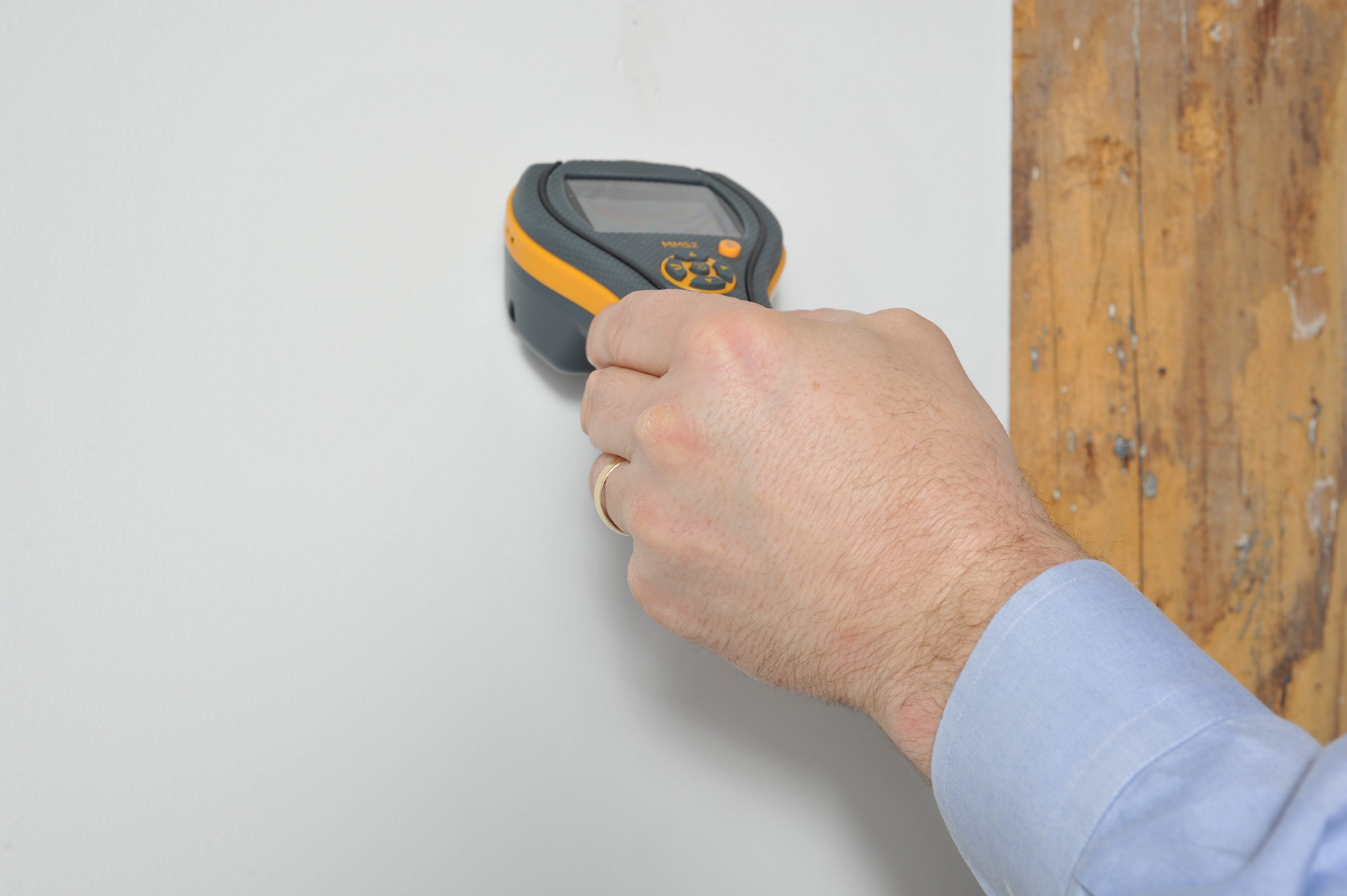
Tip Top Water and Fire Damage Restoration often evaluates moisture levels first before recommending mold testing in Aventura properties following plumbing leaks.
Moisture detection is the foundation of any mold-related assessment.
High-Rise Plumbing Failures: Unique Challenges
Aventura is known for its high-rise residential towers.
Plumbing failures in these buildings often involve:
- Vertical plumbing stacks
- Shared wall cavities
- Upper-unit leaks affecting lower floors
Water can move through insulation and structural framing without immediately appearing in living spaces.
By the time ceiling discoloration becomes visible, moisture may have been present for days.
Mold testing in these scenarios helps determine whether airborne spores are elevated due to hidden growth.
Coordination with building management is often necessary.
Slab Foundations and Hidden Dampness
In surrounding areas like North Miami Beach and Miami Shores, slab foundations are common.
If plumbing leaks occur near ground level:
- Water may migrate beneath tile
- Baseboards may swell
- Concrete may retain moisture
Slabs dry slowly in humid climates.
If moisture remains trapped, mold growth may develop along perimeter walls.
Moisture mapping helps determine whether slab dampness persists before testing is conducted.
The Role of HVAC Systems After Plumbing Leaks
Air conditioning systems operate almost year-round in Aventura.
If plumbing leaks affect:
- Air handler closets
- Duct insulation
- Condensate drain pans
moisture may circulate through the ventilation system.
Mold testing may include air sampling near vents to determine whether spores are being distributed throughout the unit.
Ignoring HVAC exposure can allow contamination to spread.
Odor as an Early Indicator
Persistent musty odor after a plumbing failure is often the first sign of hidden mold growth.
Odor may intensify during:
- Rainy season
- High humidity days
- Extended AC cycles
Odor alone does not confirm mold — but it suggests that moisture may still be present.
Testing provides clarity.
Why Visual Inspection Alone Is Not Enough
Mold growth often occurs behind:
- Drywall
- Cabinets
- Insulation
- Ceiling assemblies
Surface areas may appear clean while internal cavities remain damp.
Mold testing combined with moisture detection provides a more complete picture.
In Aventura’s humid environment, relying solely on visual inspection can lead to overlooked growth.
Understanding Air Sampling in Coastal Climates
Air samples compare indoor spore levels to outdoor baselines.
In humid coastal areas near Biscayne Bay, outdoor mold levels may naturally be elevated.
Interpreting results requires local knowledge.
Elevated indoor levels relative to outdoor samples suggest active growth indoors.
This comparison helps determine whether remediation is necessary.
The Importance of Addressing Moisture First
Mold testing should never replace moisture correction.
If plumbing leaks are not fully repaired and materials not dried, mold may return even after remediation.
Long-term protection requires:
- Fixing plumbing issues
- Removing saturated materials when necessary
- Drying structural components
- Monitoring indoor humidity
Testing confirms the current condition — but moisture control prevents recurrence.
Preventative Maintenance After Plumbing Repairs
After resolving a plumbing failure, property owners should:
- Monitor indoor humidity levels
- Inspect repaired areas periodically
- Service HVAC systems
- Check adjacent walls for discoloration
- Schedule moisture re-evaluation if odor persists
In high-rise buildings, regular plumbing inspections reduce future risk.
Proactive maintenance prevents repeat mold concerns.
Why Local Experience Matters
Mold testing in Aventura requires understanding:
- Coastal humidity baselines
- High-rise ventilation patterns
- Salt air exposure
- Slab moisture migration
- Year-round AC usage
Testing strategies must account for these environmental variables.
What may be considered elevated in dry inland climates may be normal for South Florida.
Tip Top Water and Fire Damage Restoration approaches mold testing in Aventura with careful moisture analysis and context-specific interpretation.
Local expertise ensures accurate conclusions.
Acting Early Protects Indoor Air Quality
Plumbing failures happen.
What determines long-term impact is how quickly moisture is addressed and whether hidden dampness is confirmed.
Mold testing provides clarity when:
- Odor lingers
- Drying was delayed
- Water exposure was significant
In Aventura’s humid coastal environment, small leaks can escalate quietly.
By combining prompt plumbing repair, structured drying, and informed mold testing, property owners protect both their homes and indoor air quality.
Moisture is common in South Florida — but mold growth doesn’t have to be.