Understanding Mold Testing in Bal Harbour in High-Rise Condos
Bal Harbour is known for its waterfront views, luxury high-rise buildings, and warm coastal climate. While these features make the area attractive, they also create conditions where moisture can accumulate indoors. In high-rise condos, mold problems often develop quietly, sometimes in places that residents rarely inspect. That’s why mold testing plays an important role in identifying problems early and preventing long-term damage.
Many condo owners assume mold is always visible, but in reality, testing is often necessary when there are only subtle signs of moisture or indoor air quality concerns. Understanding how mold testing works and why it becomes necessary can help property owners in Bal Harbour, Sunny Isles Beach, and North Miami Beach make informed decisions about maintaining their homes.
What Mold Testing Means in Real Condo Environments
Mold testing is the process of identifying the presence, type, and concentration of mold spores in a property. In high-rise condos, testing is often used to confirm whether mold is present when:
- A musty odor persists
- Water damage has occurred
- Indoor humidity is consistently high
- Residents notice allergy-like symptoms indoors
- Visible mold appears in a small area but may be more widespread
Testing helps determine whether the issue is localized or affecting multiple areas of the condo.
Why Mold Issues Are Common in Bal Harbour High-Rise Buildings
High-rise condos have unique characteristics that influence moisture behavior.
Several factors contribute:
Coastal humidity keeps indoor moisture levels elevated.
Constant air conditioning use creates condensation in ducts and mechanical spaces.
Limited natural ventilation in sealed buildings slows drying.
Shared walls and ceilings allow moisture to spread between units.
Salt air exposure gradually affects building materials and insulation.
These conditions make mold testing particularly valuable in coastal buildings, where moisture can accumulate without obvious leaks.
Common Signs That Mold Testing May Be Needed
Many mold problems in condos begin with small changes that residents may overlook.
Typical warning signs include:
- Persistent musty smells
- Discoloration near vents or ceilings
- Condensation around air registers
- Damp areas near exterior walls
- Warped baseboards or flooring edges
Even if visible mold is limited, hidden growth may exist behind walls or inside ducts.
Hidden Areas Where Mold Often Develops in High-Rise Condos
Mold frequently develops in locations that are not easily accessible.
Common hidden areas include:
Inside HVAC air handlers and ducts
Condensation can create ideal conditions for mold growth.
Behind drywall near plumbing lines
Slow leaks may go unnoticed for long periods.
Closets and storage areas
Limited airflow allows humidity to linger.
Ceiling cavities below rooftop mechanical systems
Moisture may accumulate due to condensation or small leaks.
Window frames and sliding doors
Coastal weather can weaken seals, allowing moisture intrusion.
Testing helps determine whether mold is present in these hidden spaces.
Why Visual Inspection Alone Isn’t Always Enough
Many homeowners rely on visual inspection to determine whether mold is present. While visible growth is easy to identify, mold often develops in concealed areas long before it becomes visible.
Visual inspection alone may miss:
- Mold inside walls or ceilings
- Mold growing in duct systems
- Airborne spores affecting indoor air quality
- Early-stage mold colonies in insulation
Testing provides measurable information that helps confirm whether remediation is necessary.
How Professional Mold Testing Works
Professional mold testing follows a systematic approach designed to identify both visible and hidden contamination.
The process often includes:
Moisture detection
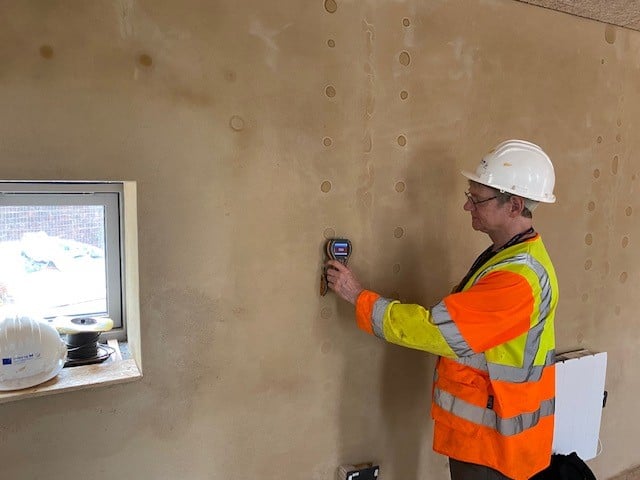
Technicians use moisture meters or thermal imaging to locate damp areas.
Air sampling
Air samples may be collected to measure mold spore levels indoors compared to outdoor air.
Surface sampling
Swab or tape samples may be taken from suspected areas.
HVAC inspection
Air handlers and ducts are examined for condensation or mold growth.
Humidity measurement
Indoor humidity levels are evaluated to determine risk factors.
These steps provide a clearer picture of the indoor environment and guide next steps.
Companies familiar with coastal conditions, such as Tip Top Water and Fire Damage Restoration, often emphasize that identifying moisture sources is just as important as detecting mold itself.
What Happens After Mold Testing
Once testing is complete, results help determine whether remediation is necessary and how extensive the work should be.
Possible outcomes include:
- No significant mold detected
- Minor localized mold requiring targeted cleaning
- Widespread contamination requiring remediation
- Moisture problems requiring drying or repairs
Testing allows property owners to make decisions based on accurate information rather than guesswork.
Mold Remediation and Moisture Control
If testing confirms mold growth, remediation may involve:
- Containing affected areas
- Removing contaminated materials when necessary
- Cleaning structural surfaces
- Drying and dehumidifying the space
- Correcting the moisture source
In high-rise buildings, addressing humidity and airflow is especially important to prevent recurrence.
The Role of Air Ducts and AC Systems
Air conditioning systems play a major role in mold issues in Bal Harbour condos.
Common HVAC-related concerns include:
- Condensation forming inside ducts
- Clogged condensate drain lines
- Dirty evaporator coils
- Poor airflow causing humidity buildup
If mold develops inside ductwork, spores can circulate throughout the condo, making proper inspection and cleaning essential.
How to Reduce the Risk of Mold in High-Rise Condos
Preventive maintenance is one of the most effective ways to avoid mold problems.
Helpful steps include:
- Keeping indoor humidity below 60%
- Servicing AC systems regularly
- Cleaning drain lines and filters
- Inspecting windows and seals
- Addressing leaks immediately
Property owners in nearby communities such as Surfside, Aventura, and North Miami Beach often find that regular inspections help identify moisture problems early.
Why Local Experience Matters
Mold testing in coastal high-rise buildings requires an understanding of local climate conditions and building design.
Professionals familiar with Bal Harbour properties understand:
- How coastal humidity affects indoor air quality
- How high-rise airflow patterns influence moisture movement
- How salt air impacts building materials
- How HVAC systems behave in sealed buildings
This experience helps ensure testing is thorough and results are interpreted correctly. Many property owners rely on experienced local companies such as Tip Top Water and Fire Damage Restoration when mold concerns arise.
A Practical, Calm Next Step
Mold testing is an important tool for protecting both property and indoor air quality in Bal Harbour high-rise condos. Identifying moisture problems early and addressing them promptly helps prevent larger remediation projects later.
For condo owners and property managers, staying attentive to humidity levels, maintaining HVAC systems, and scheduling inspections when warning signs appear are the most effective ways to maintain a healthy indoor environment.
A careful inspection and accurate testing process can provide peace of mind and ensure that small problems don’t become major ones.