Understanding Mold Testing in Miami Shores After Hurricanes
Miami Shores, with its tree-lined streets, historic homes, and proximity to Biscayne Bay, is a vibrant and desirable community in northern Miami-Dade County. However, the area’s tropical climate and coastal location make it particularly vulnerable to hurricanes, heavy rains, and flooding. After a hurricane passes, properties often face hidden challenges, including water intrusion, structural moisture, and mold growth. Mold can begin developing within 24–48 hours of water exposure, making post-storm mold testing essential for homeowners, landlords, and property managers.
Tip Top Water and Fire Damage Restoration provides professional mold inspection, mold testing, and mold remediation services in Miami Shores. They also serve nearby areas including North Miami, North Miami Beach, Sunny Isles Beach, Bal Harbour, Aventura, Surfside, Biscayne Park, and surrounding bayfront neighborhoods. Their local expertise allows them to identify hidden moisture sources and conduct thorough mold testing tailored to the coastal environment.
What Mold Testing Is
Mold testing is the process of evaluating a property to determine the presence and type of mold, the extent of contamination, and the potential risk to the building and occupants. Testing involves both visual inspection and scientific sampling, which may include:
- Air Sampling – Capturing airborne spores to identify concentrations and species
- Surface Sampling – Swabbing walls, ceilings, or other materials to detect active mold growth
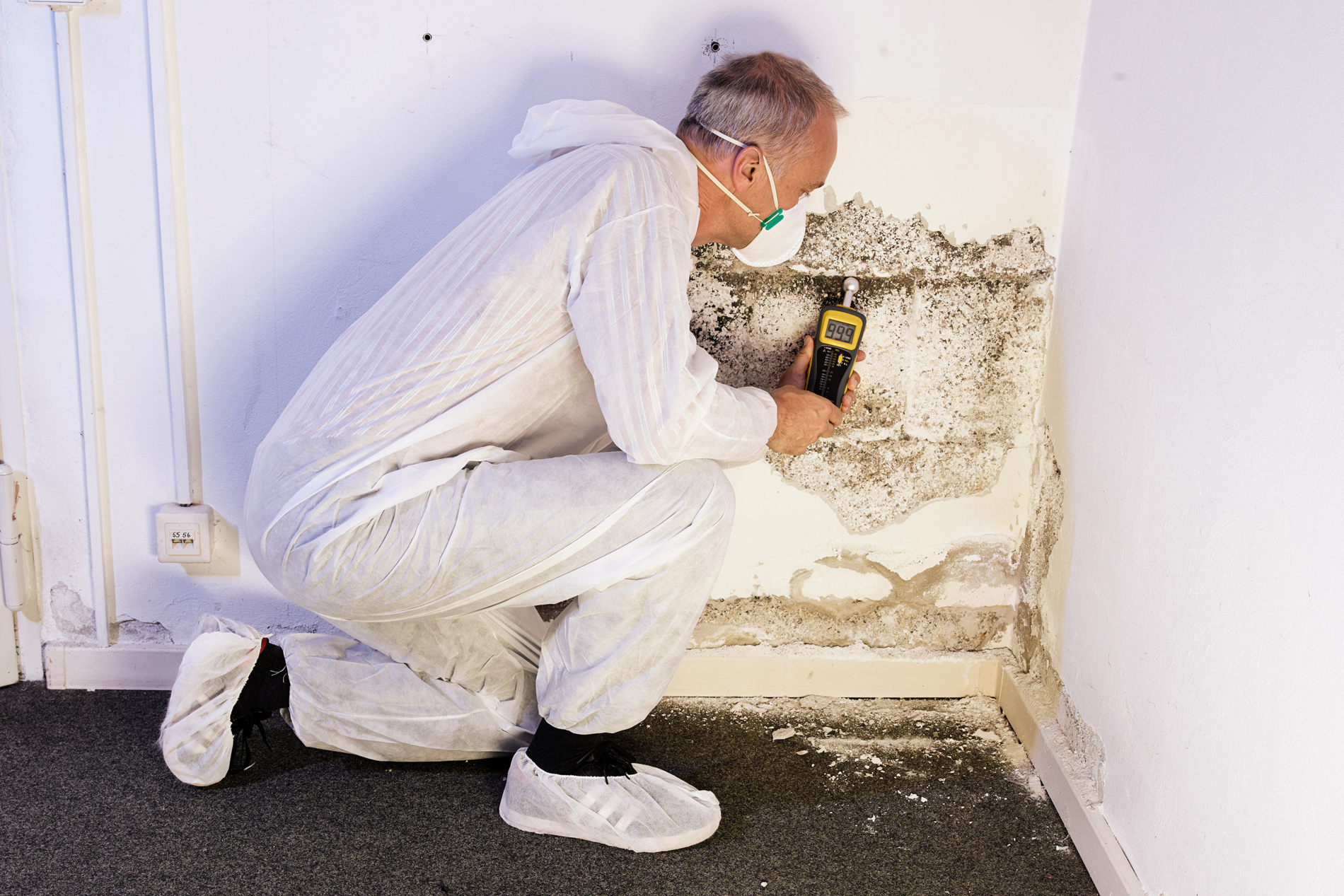
- Moisture Measurement – Using moisture meters or thermal imaging to locate hidden dampness that encourages mold
- Laboratory Analysis – Determining the specific type of mold and its potential health or structural impact
Mold testing provides a clear understanding of the problem, which is particularly important after hurricanes when water damage may not be visible.
Why Hurricanes Increase Mold Risk in Miami Shores
Hurricanes create an environment that accelerates mold growth due to several factors:
- Water Intrusion – Heavy rainfall and storm surges can flood homes, saturate walls, floors, and ceilings, and create standing water in basements or crawl spaces.
- High Humidity – Even after a storm, Miami Shores experiences elevated humidity, which promotes mold growth on damp surfaces.
- AC and Plumbing Issues – Power outages and damage to HVAC systems can lead to condensation or leaks that remain unchecked for days.
- Poor Ventilation – Flooded or closed-off spaces prevent airflow, trapping moisture and creating ideal conditions for mold spores to multiply.
- Salt-Laden Coastal Air – Salt exposure accelerates material degradation and can interact with water to worsen mold growth in structural elements.
These conditions make post-hurricane mold testing not just recommended but critical for protecting property and health.
Common Signs of Mold After a Hurricane
Homeowners should be vigilant for early indicators of mold growth:
- Musty or earthy odors in rooms, closets, or storage areas
- Discoloration or staining on walls, ceilings, or baseboards
- Peeling paint or wallpaper in areas affected by water intrusion
- Warping, buckling, or soft flooring
- Visible black, green, or white mold patches
- Condensation or dampness on windows, walls, and ductwork
Even if mold is not immediately visible, professional testing is necessary to identify hidden contamination.
Hidden Sources of Mold in Hurricane-Damaged Homes
Experience in Miami Shores shows that mold often develops in areas that are not immediately visible:
- Attics and Roof Cavities – Leaks from roof damage or missing shingles allow moisture to collect unnoticed.
- Behind Walls and Baseboards – Water may seep into wall cavities from windows, doors, or floodwater.
- HVAC Systems and Ductwork – Damp air can introduce spores throughout the home.
- Subfloor and Carpet Padding – Flooded floors and carpets may retain moisture for extended periods.
- Closets and Storage Areas – Clothing, furniture, and stored items can harbor mold if exposed to humidity or leaks.
Professional mold testing ensures these hidden sources are identified and assessed for remediation.
Why DIY Mold Testing Often Fails
Homeowners sometimes attempt to test for mold using home kits or visual inspection alone. However, DIY methods often fall short:
- Surface sampling may not detect hidden mold behind walls or under flooring
- Airborne spores may be present in areas not tested, leading to incomplete assessment
- Misidentification of mold species can delay proper remediation
- Without professional moisture measurement, the underlying cause of growth may remain unresolved
Professional testing ensures comprehensive detection, accurate identification, and targeted solutions for safe removal.
Professional Mold Testing Process
Tip Top Water and Fire Damage Restoration employs a structured process for mold testing in Miami Shores:
- Initial Visual Inspection – Identify obvious water damage, staining, or visible mold.
- Moisture Assessment – Use moisture meters, thermal imaging, and hygrometers to locate hidden damp areas.
- Air Sampling – Collect air samples to quantify spore concentration and identify potential airborne contamination.
- Surface Sampling – Swab walls, ceilings, flooring, and furniture to detect active mold colonies.
- Laboratory Analysis – Analyze samples to determine mold species and potential impact.
- Report and Recommendations – Provide detailed findings and outline the necessary remediation steps.
This process ensures an accurate evaluation of the property and lays the foundation for effective mold removal and long-term prevention.
Mold Remediation After Testing
Once mold testing identifies contamination, a professional remediation plan includes:
- Containment – Isolate affected areas to prevent spore spread
- Air Filtration – Deploy HEPA air scrubbers to clean airborne spores
- Removal of Contaminated Materials – Discard porous materials that cannot be salvaged
- Cleaning and Disinfection – Treat surfaces with antimicrobial solutions
- Drying and Dehumidification – Ensure all areas are completely dry to prevent regrowth
- Final Verification – Post-remediation testing to confirm mold removal and safe indoor air quality
Addressing both visible and hidden mold ensures homes are safe, clean, and protected from recurring issues.
Preventing Mold After Hurricanes
Preventive steps can minimize future mold growth:
- Inspect and repair roof, windows, and plumbing promptly after storms
- Use fans, dehumidifiers, and open windows to improve airflow in damp areas
- Schedule professional mold testing and inspections after hurricanes
- Maintain HVAC systems and clean ducts to prevent mold spread
- Keep basements, crawl spaces, and attics dry and well-ventilated
Proactive measures reduce the risk of mold development and protect the home’s structure and occupants.
Real-World Observations from Miami Shores Properties
Local experience provides key insights:
- Mold often appears days or weeks after flooding, particularly in hidden wall cavities or HVAC systems
- High humidity and salt-laden air exacerbate mold growth in post-hurricane homes
- Early professional testing reduces long-term repair costs and prevents structural damage
- Combining mold testing with moisture detection, ventilation improvements, and preventive maintenance ensures optimal outcomes
These observations highlight the importance of local expertise in assessing and addressing hurricane-related mold issues.
Why Local Expertise Matters
Mold testing in Miami Shores requires knowledge of:
- Coastal weather patterns, including hurricanes and high humidity
- Common structural vulnerabilities in local homes, including older properties and high-rise condos
- Specialized tools for detecting hidden moisture and airborne spores
- Accurate identification of mold species for targeted remediation
Tip Top Water and Fire Damage Restoration provides the local expertise, equipment, and experience necessary to protect Miami Shores properties from mold damage.
Calm, Trust-Based Call to Action
Hurricanes in Miami Shores pose significant risks to property, including hidden moisture and mold growth. Professional mold testing ensures comprehensive identification of contamination, accurate species detection, and the foundation for effective remediation. Coupled with preventive measures such as moisture control, ventilation improvement, and routine inspections, mold testing safeguards property value, indoor air quality, and occupant health. Tip Top Water and Fire Damage Restoration offers trusted local expertise to help homeowners, landlords, and property managers address post-hurricane mold risks efficiently and safely.