Understanding Mold Testing in Miami Shores in Rental Properties
Miami Shores, Florida, is a charming coastal community known for its tree-lined streets, historic homes, and vibrant rental market. Its location near Biscayne Bay and proximity to the Atlantic Ocean make it highly desirable for tenants and property investors alike. However, the region’s humid climate, frequent rainfall, and occasional tropical storms create ideal conditions for mold growth, particularly in rental properties. Understanding mold testing is critical for property owners and managers to maintain safe living conditions, protect property value, and comply with health and maintenance standards.
Mold in rental properties can arise from a variety of sources, and the damage is often hidden until it becomes severe. Unlike cosmetic cleaning, mold testing is a systematic process that identifies the presence, type, and extent of mold growth, allowing property owners to implement targeted remediation strategies.
Why Mold Testing Matters in Rental Properties
Rental properties face unique challenges when it comes to mold:
- High Occupancy Turnover – Frequent tenant changes increase the risk of unnoticed leaks, spills, or humidity issues.
- Tenant Habits – Tenants may not report water intrusion or minor leaks immediately, allowing mold to establish itself behind walls or under flooring.
- Varied Property Types – From historic homes to modern condos, Miami Shores features buildings with diverse materials and construction methods that respond differently to moisture.
- Liability and Safety – Mold exposure can lead to respiratory problems, allergic reactions, and unpleasant odors, raising concerns for tenant safety and potential legal issues.
Mold testing is essential because it provides an objective assessment of the property’s condition, uncovering hidden mold that visual inspections alone may miss.
Common Sources of Mold in Miami Shores Rental Properties
Experience working in Miami Shores reveals that mold often develops in predictable areas due to the local climate and building characteristics:
1. Humidity and Coastal Moisture
Miami Shores’ proximity to Biscayne Bay means homes are constantly exposed to humid air. High indoor humidity, particularly in poorly ventilated areas, creates an environment conducive to mold growth.
2. Plumbing Leaks and Water Intrusion
Leaky pipes, water heaters, and plumbing fixtures can saturate walls, flooring, and ceilings. Over time, this hidden moisture allows mold to thrive.
3. AC Systems and Condensation
Air conditioning units generate condensation, which can overflow or leak if drip lines are blocked. Ductwork and vents may harbor mold if moisture accumulates unnoticed.
4. Storm Damage and Flooding
Heavy rains, hurricanes, or tropical storms can introduce water into basements, crawl spaces, and ground-level units. Moisture trapped in walls, carpet padding, and insulation can support rapid mold growth.
5. Poor Ventilation
Bathrooms, kitchens, and laundry rooms without proper exhaust systems often retain humidity, fostering mold development on ceilings, walls, and behind cabinets.
Signs That Mold Testing Is Necessary
Property owners and managers should consider mold testing when they notice:
- Musty Odors – Lingering smells in carpets, walls, or closets often indicate hidden mold.
- Visible Stains or Discoloration – Spots on walls, ceilings, or floors may be mold colonies.
- Water Stains or Damp Areas – Persistent dampness or discoloration suggests underlying moisture problems.
- Tenant Complaints – Reports of respiratory irritation, sneezing, or allergic reactions can signal mold exposure.
- Post-Flood or Leak Events – After storms, flooding, or plumbing failures, testing ensures hidden mold is identified.
Early testing allows for precise remediation, minimizing both structural damage and tenant complaints.
How Mold Testing Works in Rental Properties
Mold testing is a systematic process performed by trained professionals to accurately identify mold type, concentration, and location:
1. Visual Inspection
Technicians examine the property for visible signs of mold, water damage, and moisture accumulation. This includes checking basements, crawl spaces, attics, bathrooms, kitchens, and AC systems.
2. Moisture Assessment
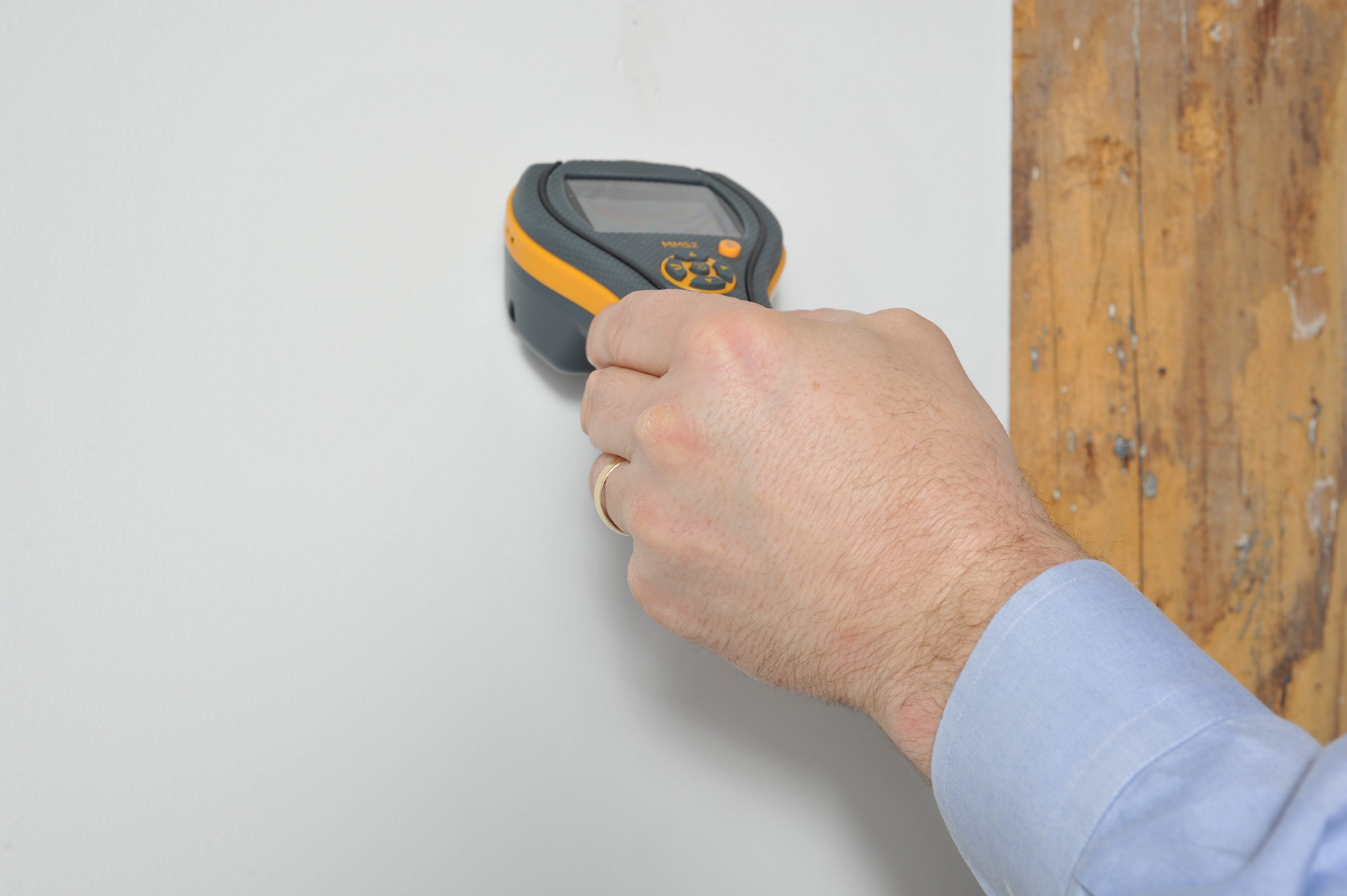
Moisture meters, thermal imaging, and humidity sensors detect hidden moisture that can support mold growth behind walls, under flooring, or within ceilings.
3. Air Sampling
Air samples are collected from different areas of the property to detect airborne mold spores. This helps quantify the extent of contamination and assess indoor air quality.
4. Surface Sampling
Swabs or tape samples are taken from walls, floors, or HVAC components to identify mold species and concentration on specific surfaces.
5. Lab Analysis
Collected samples are analyzed in accredited laboratories to determine mold type and concentration. Some species, such as black mold, may require more urgent remediation.
6. Reporting
Technicians provide a detailed report, including:
- Areas tested
- Mold types detected
- Concentration levels
- Recommended remediation steps
This information is critical for property owners to plan targeted cleaning and restoration.
Real-World Observations from Miami Shores Rental Properties
Property management experience in Miami Shores highlights several trends:
- Hidden Mold in Multi-Unit Buildings – Shared walls, ductwork, and plumbing can allow mold to spread between units unnoticed.
- Recurring Mold in Bathrooms and Kitchens – Frequent humidity and water splashes make these areas prone to repeated mold issues.
- Post-Flood Mold Growth – Storm-related water intrusion often leads to mold in carpet padding, subflooring, and drywall within days if not addressed.
- Tenant Unawareness – Many tenants do not recognize early signs of mold, emphasizing the need for routine professional testing.
- HVAC System Contamination – Ducts and vents may distribute spores throughout multiple rooms or units if not inspected and cleaned.
These observations demonstrate why systematic mold testing is crucial for rental property management in coastal areas.
The Importance of Professional Mold Testing
DIY methods like visual inspections, bleach cleaning, or home test kits are often insufficient because:
- Mold can grow behind walls, under flooring, or within HVAC systems, unseen to the naked eye.
- Certain mold species, such as Stachybotrys (black mold), require laboratory identification to determine potential health risks.
- Inaccurate assessments can lead to incomplete remediation, allowing mold to return.
- Professional testing provides documentation useful for insurance, legal compliance, and tenant communication.
Professional testing ensures that remediation is targeted, effective, and compliant with safety standards.
Steps After Mold Testing
Once testing identifies moisture and mold, the next steps typically include:
- Moisture Mitigation – Address leaks, AC condensation, or floodwater intrusion to remove the source of moisture.
- Targeted Cleaning and Remediation – Affected areas, including walls, ceilings, carpets, and ductwork, are cleaned using antimicrobial treatments and HEPA filtration.
- Replacement of Damaged Materials – In severe cases, drywall, insulation, or carpet padding may need removal and replacement.
- Verification and Re-Testing – Post-remediation testing confirms that mold levels are safe and remediation was successful.
- Preventive Measures – Proper ventilation, dehumidifiers, and routine inspections help prevent recurrence.
Preventive Strategies for Rental Properties
Preventing mold in Miami Shores rental properties requires proactive maintenance and tenant cooperation:
- Routine Property Inspections – Check for leaks, water stains, and humidity accumulation.
- Maintain AC Systems – Ensure proper drainage and regular cleaning of drip lines and vents.
- Ventilation in Moist Areas – Bathrooms, kitchens, and laundry rooms should have functional exhaust fans.
- Tenant Education – Encourage reporting of leaks, spills, and musty odors promptly.
- Humidity Control – Use dehumidifiers or HVAC systems to maintain indoor humidity below 60%.
- Timely Repairs – Address minor water damage quickly to prevent mold development.
By implementing these strategies, property owners minimize mold risk and ensure safe, comfortable living spaces for tenants.
Local Expertise Matters
Miami Shores presents unique challenges for mold testing due to:
- High humidity and coastal moisture exposure
- Frequent storms and potential flooding
- Diverse building types, from historic homes to modern rentals
- Multi-unit rental configurations with shared HVAC systems and plumbing
Tip Top Water and Fire Damage Restoration has extensive experience serving Miami Shores, North Miami, North Miami Beach, Sunny Isles Beach, Bal Harbour, Aventura, Miami Shores, Surfside, Biscayne Park, and nearby coastal neighborhoods. Their local knowledge ensures accurate moisture detection, professional mold testing, and effective remediation.
Moving Forward
For rental property owners and managers, mold testing is an essential part of ongoing property maintenance:
- Schedule regular testing after tenant turnover or water-related incidents
- Address moisture sources immediately to prevent recurrence
- Document testing results for insurance, legal compliance, and tenant communication
- Implement preventive maintenance strategies to maintain healthy indoor environments
- Educate tenants on early warning signs and reporting procedures
By combining professional mold testing with preventive measures, rental properties in Miami Shores remain safe, structurally sound, and attractive to tenants.