Understanding the Risks Before They Grow: Air Duct Cleaning Challenges in Bayfront Homes in North Miami
Bayfront homes in North Miami offer stunning water views, luxurious living spaces, and proximity to Biscayne Bay. However, these properties face unique environmental challenges that can affect indoor air quality and HVAC system performance. Coastal humidity, salt-laden air, and seasonal storms create conditions where dust, allergens, mold spores, and microbial contaminants can accumulate in air ducts. If left unchecked, these issues compromise both occupant health and structural integrity.
For homeowners, property managers, and landlords, understanding the challenges of air duct cleaning in bayfront properties is essential. Drawing from real-world observations of local homes, this guide explores why air ducts become contaminated, early warning signs, the professional cleaning process, and preventive measures for maintaining safe and efficient HVAC systems.
Why Air Duct Cleaning Matters in Coastal Homes
Air ducts are the veins of a home’s HVAC system, responsible for delivering conditioned air throughout living spaces. In North Miami bayfront homes, they face unique stressors:
- High Humidity: Coastal humidity accelerates dust accumulation and microbial growth in ducts.
- Salt Exposure: Salt-laden air promotes corrosion in metal ductwork, affecting airflow and system longevity.
- Stormwater Intrusion: Seasonal storms may introduce moisture into lower-level ducts or crawl spaces.
- AC Condensation: Improperly maintained AC units can create persistent moisture inside ducts.
Neglecting duct maintenance in these conditions can lead to:
- Poor indoor air quality (IAQ)
- Mold colonization and microbial growth
- Increased energy costs due to reduced HVAC efficiency
- Musty odors circulating throughout the home
- Potential damage to duct materials and HVAC components
Prompt air duct cleaning addresses these risks before they escalate.
Common Causes of Duct Contamination in Bayfront Homes
- Coastal Humidity
- Moist air condenses on duct surfaces, creating ideal conditions for mold and bacteria.
- Persistent humidity can also affect insulation, leading to trapped moisture.
- Salt-Laden Air
- Salt particles corrode metal ducts, registers, and HVAC components over time.
- Corrosion may compromise duct integrity and airflow efficiency.
- Stormwater and Flooding
- Heavy rains can introduce water into attics, crawl spaces, or basement ductwork.
- Even minor water intrusion can lead to mold growth if not addressed quickly.
- Aging or Poorly Maintained HVAC Systems
- Older ductwork may contain accumulated dust, debris, and microbial growth.
- Leaky ducts reduce airflow and allow moisture-laden air to spread contaminants.
- Household Activities
- Cooking, pets, and cleaning products introduce particles that can accumulate in ducts.
- In coastal environments, these particles combine with humidity and salt, increasing microbial risks.
Signs That Air Duct Cleaning Is Needed
Homeowners should monitor their bayfront properties for early indicators of duct contamination:
- Musty or stale odors throughout the home
- Visible dust or debris around vents and registers
- Reduced HVAC efficiency or uneven cooling
- Excessive dust accumulation on furniture shortly after cleaning
- Increased allergy or respiratory symptoms among occupants
- Visible mold in vents, registers, or around the AC unit
- Condensation or moisture on duct surfaces
Early recognition allows for timely cleaning, preventing health risks and structural issues.
Hidden Risks and Overlooked Areas
Air duct contamination often goes unnoticed until it impacts comfort, IAQ, or health. Hidden sources include:
- HVAC Units and Coils: Moisture buildup on coils can lead to mold growth.
- Duct Joints and Seams: Dust and moisture accumulate in corners and gaps.
- Crawl Spaces and Attics: Ducts running through damp, poorly ventilated areas are highly susceptible.
- Return Air Ducts: Can pull dust and contaminants from multiple rooms, spreading them throughout the home.
Professional inspections often reveal these hidden issues, which homeowners might miss.
Professional Air Duct Cleaning Process
Cleaning air ducts in coastal North Miami homes requires specialized equipment and expertise:
Step 1: Inspection and Assessment
- Technicians evaluate duct layout, visible debris, moisture, and signs of microbial growth.
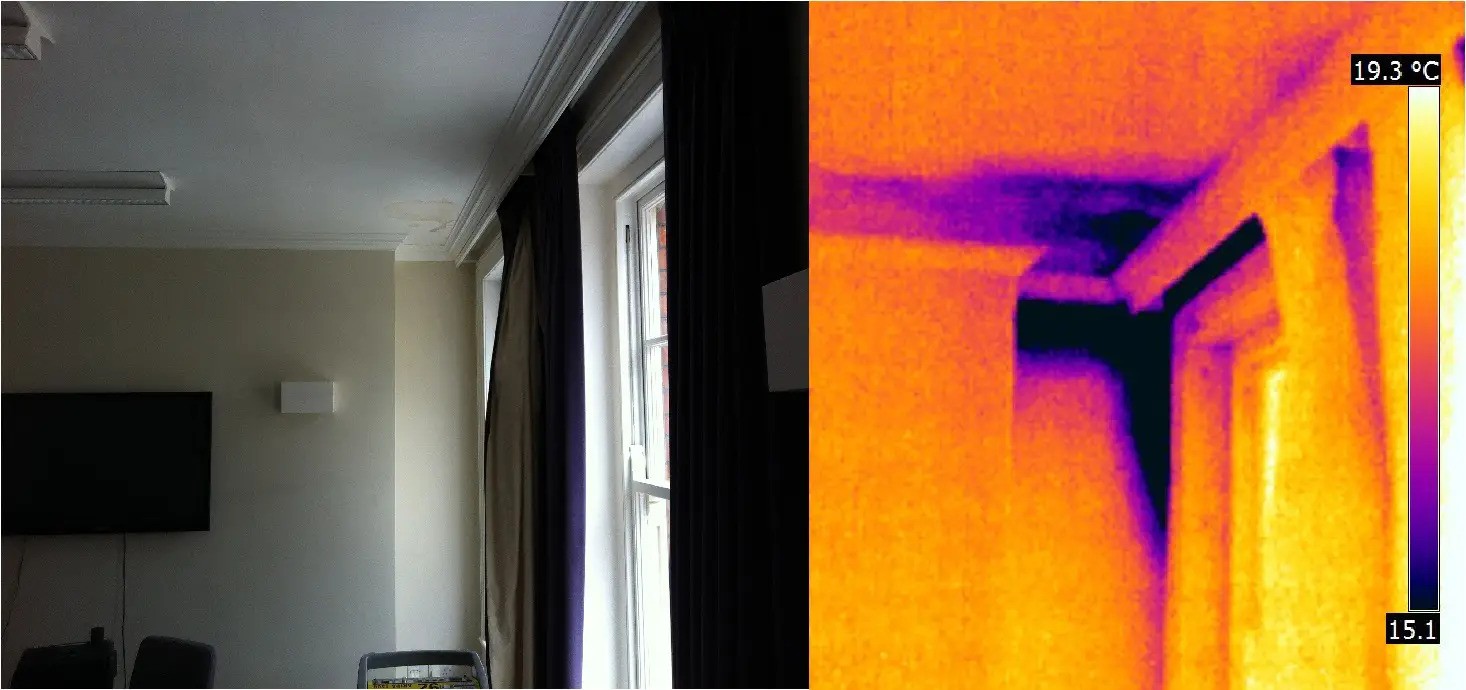
- Moisture meters and thermal imaging help detect hidden issues.
Step 2: Containment
- Work areas are isolated to prevent contaminants from spreading.
- Negative air pressure and HEPA filters protect the indoor environment during cleaning.
Step 3: Debris Removal
- Brushes, air whips, and high-powered vacuums loosen and remove dust, pollen, and debris.
- HEPA filtration ensures spores and particles are captured without recirculation.
Step 4: Mold Treatment (If Needed)
- If microbial growth is detected, antimicrobial solutions are applied to duct surfaces.
- Contaminated materials, such as duct insulation, may be replaced.
Step 5: Coil and AC Component Cleaning
- Evaporator and condenser coils are cleaned to prevent further microbial accumulation.
- Condensate lines and drip pans are cleared and sanitized.
Step 6: Post-Cleaning Inspection
- Airflow and IAQ are reassessed to confirm improvements.
- Technicians ensure no visible debris remains, and ducts are structurally sound.
Real-World Observations from Bayfront Properties
Local observations reveal several patterns:
- Moisture-Related Contamination Is Common: Coastal humidity combined with AC condensation often leads to hidden microbial growth.
- Delayed Cleaning Increases Costs: Homes that postpone duct cleaning frequently require additional mold remediation and HVAC repairs.
- Older Ductwork Requires Extra Care: Leaks, corrosion, and accumulated debris are prevalent in older bayfront homes.
- Integrated Maintenance Works Best: Combining duct cleaning with moisture control, filter replacement, and AC maintenance yields long-term benefits.
Preventive Strategies for Homeowners
- Regular HVAC Maintenance
- Schedule annual inspections, coil cleaning, and filter replacement.
- Ensure condensate lines and drip pans are functional and clear of debris.
- Control Indoor Humidity
- Maintain relative humidity between 45–55% using dehumidifiers or AC systems.
- Use exhaust fans in kitchens, bathrooms, and laundry areas.
- Prompt Leak Response
- Address plumbing leaks, roof leaks, or AC condensation immediately.
- Dry wet areas within 24–48 hours to prevent mold.
- Monitor IAQ
- Periodic air quality assessments help detect early duct contamination.
- Sensors can alert homeowners to elevated humidity or moisture levels.
- Educate Occupants
- Teach residents or tenants to recognize musty odors, visible dust, and uneven cooling.
- Encourage timely reporting of any IAQ concerns.
Benefits of Timely Air Duct Cleaning
Quick action in addressing duct contamination provides numerous advantages:
- Reduces airborne allergens, mold spores, and microbial contaminants
- Improves HVAC efficiency and reduces energy costs
- Prevents long-term structural damage caused by hidden moisture
- Enhances indoor comfort and overall air quality
- Maintains property value and protects the health of occupants
Lessons Learned from Local Properties
Professional experience in North Miami bayfront homes demonstrates that:
- Early intervention prevents widespread contamination.
- Regular cleaning and maintenance reduce the need for costly remediation.
- Coastal humidity and salt exposure require specialized cleaning techniques.
- Combining air duct cleaning with moisture management and AC servicing is the most effective long-term strategy.
Practical Recommendations
- Schedule professional duct cleaning every 3–5 years, or sooner if moisture or odors are detected.
- Maintain HVAC systems and replace filters regularly.
- Address leaks, condensation, or water intrusion immediately.
- Monitor indoor humidity and airflow for early warning signs.
- Educate occupants to report musty odors, dust accumulation, or airflow issues promptly.
- Consider integrating duct cleaning with mold inspections and AC maintenance for comprehensive protection.
By understanding the risks and acting proactively, bayfront homeowners in North Miami can preserve healthy indoor air, protect HVAC systems, and prevent costly water- or mold-related damage.