
Understanding the Risks Before They Grow: Mold Testing Challenges in North Miami Beach
Introduction: Why Mold Testing Matters More Than Many Expect
In North Miami Beach, mold problems often develop quietly. Many property owners believe mold only becomes a concern when dark patches appear on walls or strong odors fill a room. However, by the time visible signs appear, mold may already be spreading behind walls, under flooring, or inside ventilation systems.
Because coastal communities experience year-round humidity, frequent rainstorms, and constant air conditioning use, conditions for mold growth exist almost continuously. Mold testing helps identify hidden problems early, allowing homeowners and property managers to address issues before structural damage or costly remediation becomes necessary.
Understanding mold testing challenges helps property owners recognize risks early and protect their homes long before mold growth becomes obvious.
What Mold Testing Actually Involves
Mold testing is not simply about spotting discoloration on walls. Many mold issues exist in places homeowners never see. Testing focuses on detecting spores and moisture conditions that allow mold to grow.
Professional inspections may include air sampling, surface testing, moisture measurements, and evaluations of ventilation systems. These tests help determine whether mold is present and how extensive the contamination may be.
In North Miami Beach homes, testing often uncovers mold hidden inside walls, duct systems, or insulation long before residents realize there is a problem.
Why Mold Problems Occur Frequently in North Miami Beach
North Miami Beach properties face unique environmental conditions compared to inland areas. Coastal humidity remains high throughout the year, even during dry periods. Moisture carried by ocean air constantly enters homes through ventilation and small structural openings.
Summer storms add further risk. Heavy rainfall, wind-driven water, and occasional flooding introduce moisture that becomes trapped inside building materials. Air conditioning systems, while essential for comfort, also generate condensation that can create hidden moisture problems.
Older homes in nearby areas like Surfside, Sunny Isles Beach, Aventura, and Miami Shores sometimes have outdated ventilation or plumbing systems, increasing the likelihood of moisture buildup.
These combined factors make mold testing a necessary precaution rather than an occasional concern.
Common Signs Property Owners Notice Before Testing
Although mold can grow unseen, homeowners often notice warning signs before scheduling testing. Persistent musty odors are one of the earliest indicators of hidden mold growth.
Other signs include discoloration or bubbling paint on walls and ceilings, warped flooring, increased indoor humidity, and recurring allergy-like discomfort indoors. Condensation forming on windows or vents also suggests excess moisture inside the home.
Closets and storage spaces along exterior walls often feel damp in coastal homes, another clue that moisture may be accumulating in hidden areas.
Recognizing these signs early encourages property owners to schedule testing before damage spreads.
Hidden Sources Mold Testing Often Reveals
One of the biggest challenges inspectors face is locating contamination in areas homeowners rarely inspect. Professional mold testing frequently reveals problems in unexpected locations.
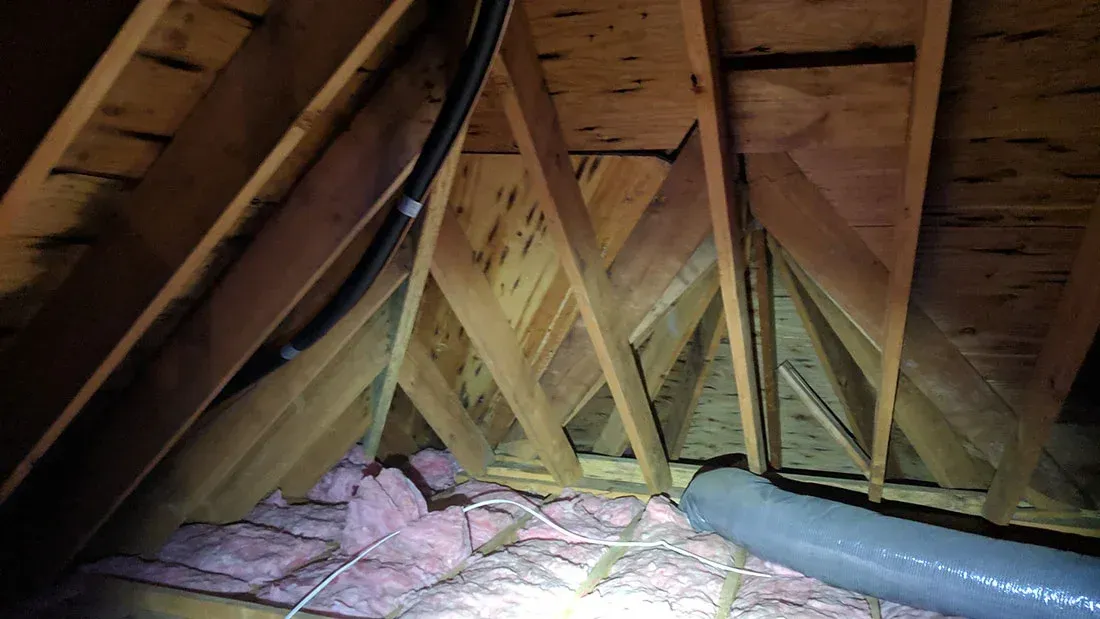
Mold commonly grows behind bathroom and kitchen walls, beneath flooring following minor plumbing leaks, inside air ducts, or within attic insulation after roof leaks. Crawl spaces and poorly ventilated storage areas also frequently harbor mold growth.
Because mold spreads quietly in hidden spaces, surface cleaning alone rarely addresses the full problem. Testing helps determine how widespread contamination may be.
Why DIY Mold Checks Often Miss the Problem
Homeowners sometimes attempt to inspect or test for mold themselves using home test kits. While these kits may detect spores, they rarely provide a complete picture of the situation.
DIY testing often fails because it does not identify the moisture source or determine how far contamination has spread. Mold spores exist naturally in outdoor air, so interpreting results without professional expertise can be confusing.
Without addressing moisture conditions, mold frequently returns even after surface cleaning. Professional testing focuses on identifying root causes, not just confirming presence.
How Professional Mold Testing Works
Professional mold testing involves a systematic approach. Inspectors first evaluate the property for moisture problems, leak sources, and ventilation concerns.
Moisture meters help locate damp areas inside walls or ceilings. Thermal imaging tools reveal temperature differences indicating hidden moisture pockets. Inspectors may collect air or surface samples to measure mold spore concentrations indoors compared to outdoor air.
These steps help determine whether contamination levels are elevated and where remediation efforts should focus.
Accurate testing prevents unnecessary repairs while ensuring real problems are addressed.
The Connection Between Water Damage and Mold Growth
Water damage plays a major role in mold problems throughout North Miami Beach. Even small plumbing leaks or AC condensation issues can create moisture conditions allowing mold to develop within days.
Stormwater intrusion and flooding events further increase risks, especially in coastal properties. When water remains trapped inside walls or flooring, mold colonies often grow unnoticed until testing uncovers them.
Professional water removal and structural drying immediately after water incidents significantly reduce mold risk, but testing is often needed to confirm safe conditions afterward.
Air Conditioning Systems and Mold Testing Challenges
Air conditioning systems help control humidity but can also become mold sources when maintenance is neglected. Condensation buildup around coils or clogged drain lines introduces moisture into ducts and surrounding structures.
Once mold grows inside HVAC systems, spores circulate throughout the home. Residents may notice musty smells without knowing the source.
Testing often includes inspecting ductwork and air handlers, especially in homes exposed to coastal humidity. Regular AC maintenance greatly reduces contamination risks.
Preventing Mold Problems After Testing
Testing is only part of the solution. Long-term protection depends on controlling moisture conditions that allow mold to grow.
Property owners should repair leaks quickly, maintain air conditioning systems regularly, and ensure bathrooms and kitchens have proper ventilation. Monitoring indoor humidity levels and using dehumidifiers when necessary also helps.
After storms or plumbing incidents, drying affected areas quickly prevents moisture from becoming trapped. Annual inspections help catch small issues before they become major restoration projects.
Preventive maintenance reduces the need for repeated testing and remediation.
Why Local Experience Matters in Mold Testing
Mold testing challenges vary depending on climate and construction style. Professionals familiar with North Miami Beach understand how coastal humidity, storms, and local building designs influence moisture conditions.
Inspectors serving nearby communities such as Bal Harbour, Biscayne Park, Surfside, and Aventura recognize common problem areas in waterfront homes and condominiums.
Local restoration teams, including Tip Top Water and Fire Damage Restoration, use practical experience gained from working across coastal neighborhoods to identify hidden risks more efficiently.
Local expertise ensures testing focuses on real environmental conditions rather than generic concerns.
A Practical Next Step for Property Owners
If your property shows signs of excess humidity, musty odors, or previous water damage, scheduling professional mold testing is a wise precaution. Early testing often reveals manageable moisture issues before mold spreads extensively.
For homeowners and property managers in North Miami Beach, proactive inspections and moisture control protect both indoor comfort and long-term property value. Addressing risks early prevents small hidden problems from becoming major restoration projects later.