
Understanding Water Leak Detection in North Miami After Storm Surge
In North Miami, storm surge doesn’t always leave obvious standing water behind.
After coastal storms push water inland from Biscayne Bay, property owners often focus on visible flooding. But what frequently goes unnoticed is the hidden moisture that remains inside walls, beneath flooring, and inside slab foundations.
Storm surge behaves differently than simple rain intrusion. It can force water into small structural openings, under thresholds, and behind exterior finishes. By the time surfaces appear dry, moisture may already be trapped in structural components.
Understanding how water leak detection works after storm surge in North Miami helps homeowners prevent mold growth, structural deterioration, and recurring moisture issues.
Why Storm Surge Causes Unique Moisture Problems
Storm surge differs from heavy rain in several ways:
- Water is pushed horizontally by wind pressure
- Saltwater may be involved
- Groundwater levels rise simultaneously
- Water enters from below and from the sides
In low-lying neighborhoods of North Miami and nearby Miami Shores, surge water can infiltrate homes even when there is no dramatic indoor flooding.
Because North Miami sits near Biscayne Bay and coastal canals, surge events often raise the water table for days after the storm.
Moisture may continue migrating into foundations long after visible water recedes.
Common Entry Points After Storm Surge
Leak detection often reveals intrusion in areas homeowners overlook.
Frequent entry points include:
1. Sliding Door Thresholds
Storm-driven water can seep beneath door tracks, even if seals appear intact.
2. Window Frames
Wind pressure forces water into small gaps around frames and corners.
3. Garage Doors
Water may enter through small perimeter openings.
4. Exterior Wall Penetrations
Utility lines and cable entries may allow water infiltration.
5. Slab Edges
Rising groundwater can push moisture upward through concrete.
Because surge water is forceful, it often penetrates areas that normal rain does not.
Why Surface Drying Isn’t Enough
After a storm, homeowners often rely on fans and open windows.
In North Miami’s humid climate, this can be ineffective.
Outdoor air frequently contains high moisture levels, slowing evaporation.
Meanwhile, water trapped inside:
- Drywall
- Insulation
- Subflooring
- Framing
may remain damp for days.
Leak detection tools are necessary to determine whether moisture is still present inside building materials.
Without testing, hidden dampness may go unnoticed.
The Role of Moisture Mapping
Professional water leak detection includes moisture mapping.
This process involves:
- Measuring surface moisture
- Checking internal wall cavities
- Testing slab foundations
- Evaluating baseboards and flooring edges
- Inspecting ceiling areas in multi-story homes
Moisture meters provide precise readings that indicate whether materials are saturated or stable.
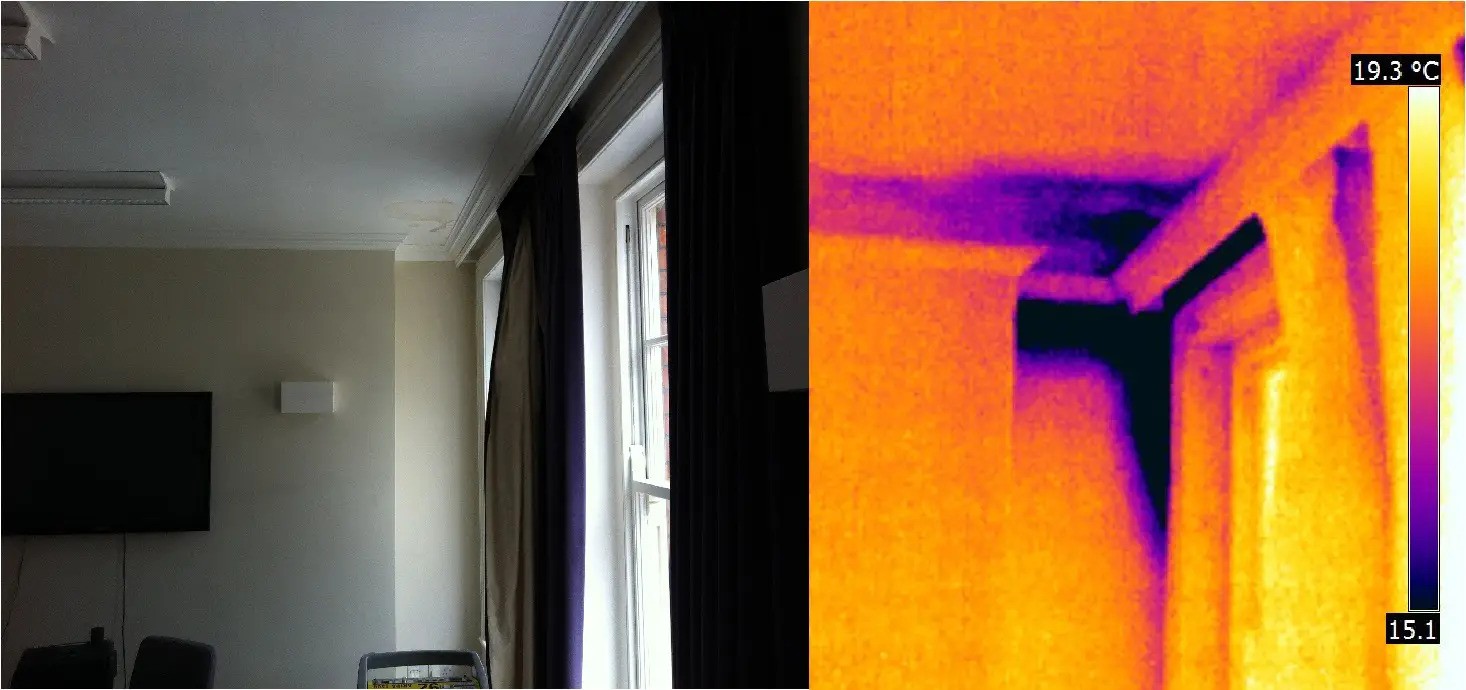
Thermal imaging may also help identify temperature differences that signal hidden moisture.
Tip Top Water and Fire Damage Restoration frequently performs detailed moisture mapping in North Miami properties after storm surge to prevent incomplete drying.
Saltwater Complications
Storm surge often introduces saltwater.
Salt contamination adds additional challenges:
- Accelerated corrosion of metal components
- Deterioration of electrical wiring
- Damage to HVAC systems
- Gradual weakening of fasteners
Even if water dries, salt residue remains unless properly cleaned.
Leak detection may reveal corrosion beginning in concealed areas.
Ignoring salt exposure increases long-term repair costs.
Slab Foundations and Groundwater Rise
Many homes in North Miami and Biscayne Park are built on slab foundations.
After storm surge, groundwater levels may remain elevated for several days.
Moisture can migrate upward through concrete and appear as:
- Damp carpet edges
- Swollen baseboards
- Loose tile
- Musty odor
Because slab moisture spreads laterally before becoming visible, detection tools are essential.
Homeowners may assume water intrusion has ended when the true issue is still developing beneath flooring.
High-Rise Considerations in Coastal Areas
In nearby Aventura and Sunny Isles Beach, high-rise buildings face different surge-related challenges.
Water may:
- Enter lower-level parking structures
- Affect ground-floor mechanical rooms
- Travel through shared plumbing chases
Moisture detection ensures affected units are properly evaluated.
Cross-unit migration can complicate drying and require coordination with building management.
HVAC Systems After Storm Surge
Even if floodwater does not reach HVAC equipment directly, elevated humidity may affect:
- Air handler closets
- Duct insulation
- Condensate lines
If ducts become damp, they may circulate moisture and odor throughout the property.
Inspection of HVAC components is often part of comprehensive leak detection.
Continuous AC operation in South Florida makes this step critical.
Signs That Leak Detection Is Needed
After storm surge, property owners should watch for:
- Persistent musty odor
- Soft drywall near exterior walls
- Peeling paint
- Unexplained humidity increase
- Warped flooring
- Discoloration along baseboards
Even minor signs may indicate hidden moisture.
Early detection prevents larger restoration projects later.
Why Timing Matters
In North Miami’s warm, humid environment, mold can begin developing within 48–72 hours if moisture remains.
Delayed leak detection increases:
- Mold growth risk
- Structural weakening
- Repair scope
- Restoration cost
Storm-related moisture may not be visible immediately.
Proactive inspection reduces long-term complications.
Preventative Maintenance After Storm Surge
Once moisture is fully addressed, property owners can reduce future risk by:
- Inspecting door and window seals annually
- Improving exterior drainage
- Elevating vulnerable equipment
- Monitoring indoor humidity
- Scheduling post-storm moisture checks
In coastal communities near Biscayne Bay, prevention is part of responsible property maintenance.
Why Local Coastal Experience Matters
Water leak detection in North Miami requires understanding:
- Elevated groundwater behavior
- Salt air exposure
- Slab foundation moisture patterns
- Storm surge dynamics
- Continuous AC usage
Methods used in inland cities may not fully address coastal variables.
Tip Top Water and Fire Damage Restoration approaches storm-related leak detection with knowledge specific to South Florida’s climate and construction methods.
Local expertise ensures hidden moisture is identified and properly addressed.
Protecting Your Property After Storm Surge
Storm surge may leave visible water — but the greater threat is often what remains unseen.
Water trapped inside walls and beneath slabs continues affecting structural materials long after the storm passes.
Understanding water leak detection allows property owners to move beyond surface cleanup and focus on long-term stability.
In North Miami’s coastal environment, early moisture detection, structured drying, and preventative inspection protect both indoor air quality and structural integrity.
Storms are inevitable.
Hidden moisture doesn’t have to be.