
Understanding Water Removal in Surfside After Storm Surge
Surfside’s coastal beauty makes it one of South Florida’s most desirable communities, but oceanfront living also comes with real environmental risks. One of the most serious threats property owners face is storm surge flooding during tropical storms and hurricanes. When ocean water pushes inland, homes and buildings can experience rapid water intrusion that requires immediate and professional removal to prevent long-term damage.
At QualityAir Mold Inspection & Testing, we frequently inspect Surfside properties after storm events where water removal appeared successful at first, yet hidden moisture problems later led to mold growth and structural concerns. Understanding how storm surge water removal works—and why proper drying is critical afterward—helps homeowners protect both indoor comfort and long-term property value.
Water removal is not just about pumping water out. It is about ensuring that moisture is fully eliminated before it creates future problems.
A Common Scenario After Storm Surge in Surfside
A typical situation begins when a powerful coastal storm pushes water inland. Streets flood quickly, and water enters ground-level apartments, homes, and building garages. Ocean water may flow through doors, sliding glass panels, or ground-level openings.
Once storms pass, property owners often focus on removing standing water and cleaning visible debris. Damaged flooring may be pulled out, and walls may be repainted after surfaces dry.
However, weeks later, musty odors begin appearing. Baseboards swell, flooring buckles, or humidity levels feel unusually high inside the property. During professional inspections, moisture is often found trapped inside walls, under flooring, or inside insulation where mold growth has started.
Because humidity remains high after coastal storms, materials often never fully dry, even when surfaces appear normal.
This situation is extremely common in Surfside following storm surge events.
Why Storm Surge Water Is More Damaging Than Regular Flooding
Storm surge flooding presents unique challenges compared to regular rainwater intrusion.
Ocean water carries salt, sand, debris, and contaminants that spread quickly through homes. When this water enters buildings, it saturates drywall, insulation, cabinetry, and flooring materials.
Unlike minor leaks, surge flooding often affects large portions of a property at once. Water travels inside walls, beneath flooring, and into mechanical spaces before homeowners even realize the extent of intrusion.
In addition, saltwater accelerates deterioration of building materials and metal components, creating additional long-term risks.
Combined with South Florida’s humidity, drying becomes more complicated than many homeowners expect.
Why Water Removal Must Happen Immediately
The speed of response after storm surge flooding makes a significant difference in repair costs and recovery success.
Standing water must be removed quickly because:
- Water spreads rapidly into surrounding materials
- Building materials weaken when saturated
- Odors develop as materials remain wet
- Mold growth can begin within days
- Structural components may suffer long-term damage
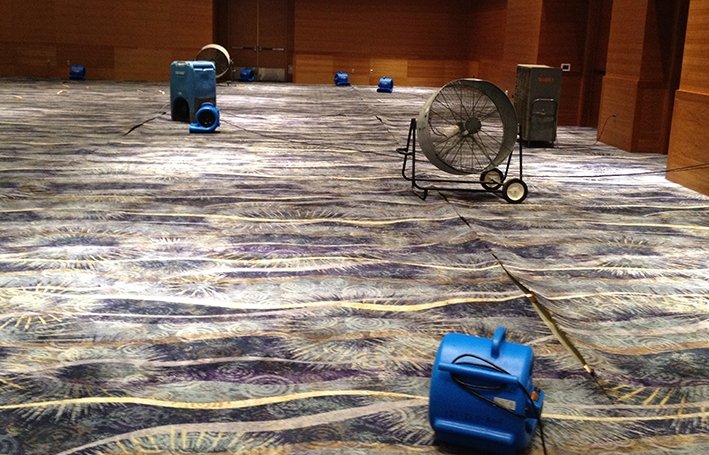
Professional water removal teams use high-powered pumps and extraction equipment to remove water quickly. However, removal alone is not enough.
Drying and moisture verification must follow extraction to prevent long-term problems.
How Water Damage Continues After Water Is Gone
Many homeowners believe the problem ends once visible water is removed. Unfortunately, storm surge moisture often remains trapped behind surfaces.
Water can remain hidden in:
- Wall cavities
- Ceiling insulation
- Subflooring beneath tiles or wood
- Cabinet bases
- HVAC duct insulation
- Structural framing
Because Surfside remains humid long after storms pass, materials dry slowly. Even when surfaces appear dry, deeper layers may still contain moisture.
Over time, this hidden moisture can cause:
- Warped flooring
- Soft drywall
- Cabinet deterioration
- Persistent musty odors
- Increased indoor humidity
- Mold development
Without proper drying, repairs may need to be repeated months later.
Water Removal vs. Water Damage Restoration
Homeowners often confuse water removal with full restoration services.
Water removal focuses on extracting standing water and removing soaked materials. Restoration goes further by drying materials, repairing damaged areas, and ensuring moisture problems are fully corrected.
Professional restoration typically includes:
- Water extraction
- Removal of unsalvageable materials
- Industrial drying equipment operation
- Humidity control using dehumidifiers
- Monitoring moisture levels
- Repair and reconstruction
QualityAir Mold Inspection & Testing focuses on post-event inspection and testing, ensuring restoration efforts fully resolved moisture problems before mold develops.
Why Mold Often Appears Weeks After Storm Surge
Many Surfside homeowners are surprised when mold appears weeks after flood cleanup seems complete.
Storm surge introduces massive moisture into building materials. If materials are not dried thoroughly, mold growth can begin quietly behind walls or under floors.
Because mold growth is hidden, homeowners may first notice only musty odors or humidity changes.
Inspection frequently reveals contamination developing long after cleanup crews have left.
Routine post-restoration inspections help prevent mold from spreading unnoticed.
Why DIY Water Removal Often Leads to Future Problems
Some homeowners attempt to handle water removal themselves using household pumps, fans, or small dehumidifiers. While quick action helps reduce damage, professional equipment is usually necessary after storm surge events.
Household equipment cannot effectively dry saturated materials, especially in humid coastal climates. Surfaces may feel dry while moisture remains trapped behind walls.
Replacing flooring or repainting surfaces without confirming dryness traps moisture inside, allowing mold growth later.
Professional moisture detection prevents repeated repair expenses.
What Inspectors Look for After Storm Surge Cleanup
Professional inspections following water removal follow a structured process.
Inspectors begin by reviewing flood history and restoration efforts, including how long materials remained wet and what drying methods were used.
A visual inspection evaluates ceilings, walls, flooring, HVAC systems, and surrounding rooms for signs of moisture spread.
Moisture meters and thermal imaging cameras help detect hidden damp materials behind surfaces without unnecessary demolition.
If contamination is suspected, air or surface samples may confirm mold growth.
Property owners receive a report explaining findings and recommended next steps.
An Insight Many Surfside Homeowners Don’t Expect
One surprising lesson from many inspections is that storm surge damage often causes long-term problems not in the rooms that flooded, but in adjacent spaces.
Water frequently travels beneath floors or through wall cavities before becoming visible elsewhere. By the time secondary damage appears, contamination may already be widespread.
Routine inspections after storm surge events often prevent expensive remediation later.
Practical Prevention Steps After Storm Surge Events
Preventing long-term damage requires careful follow-up after cleanup.
Water should be extracted immediately, and professional drying equipment should operate until moisture readings confirm materials are dry.
HVAC systems should be inspected to prevent humidity buildup after storms.
Furniture and belongings should remain elevated until floors and walls fully dry.
Walls and flooring should be tested for hidden moisture before reconstruction begins.
Follow-up inspections help ensure restoration work succeeded.
Why Local Experience Matters in Surfside
Storm surge recovery differs in coastal environments compared to inland flooding. Inspectors must understand how Surfside’s ocean exposure and humidity influence drying conditions.
Our experience inspecting coastal properties throughout Surfside and surrounding Miami communities allows us to quickly recognize moisture patterns specific to waterfront homes.
Local expertise leads to faster identification of risks and practical solutions suited to coastal properties.
Practical Guidance for Surfside Property Owners
If your property experienced storm surge flooding and humidity or odors persist afterward, professional inspection helps confirm whether hidden moisture problems remain.
QualityAir Mold Inspection & Testing provides professional mold inspection and moisture evaluation services while coordinating remediation when necessary.
Taking action early protects indoor comfort, prevents hidden structural damage, and maintains long-term property value in Surfside’s storm-prone coastal environment.
Proper water removal must always be followed by moisture verification to ensure storm surge damage does not quietly become costly mold and structural problems later.