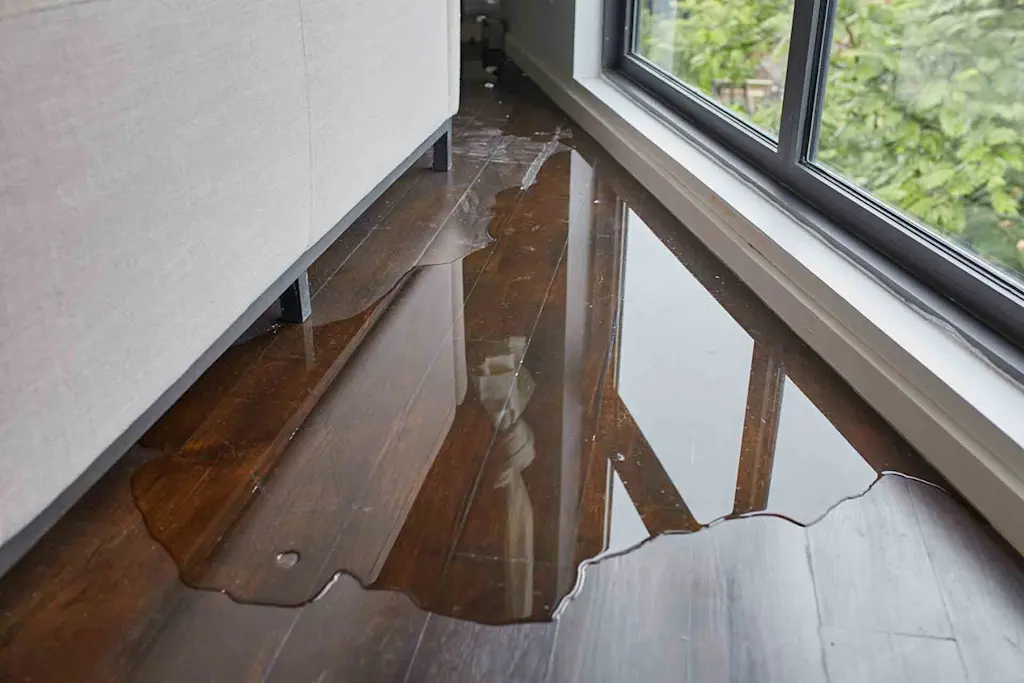
Understanding Water Removal in Surfside in Older Houses
Older homes in Surfside have a unique charm, but they also present specific maintenance challenges—especially when it comes to water intrusion. Aging plumbing systems, older roofing materials, and structural designs that predate modern moisture barriers can make older houses more vulnerable to leaks and flooding. When water enters these structures, removing it quickly and thoroughly is essential to prevent long-term damage.
In coastal communities near Biscayne Bay, humidity and warm temperatures slow drying and increase the risk of mold. Understanding how water removal works in older houses helps homeowners respond quickly and protect both the structure and indoor air quality.
What Water Removal Really Means
Water removal is the process of extracting standing water, drying affected materials, and ensuring that moisture does not remain trapped in structural components. It is not simply about removing visible water. Moisture can soak into drywall, wood framing, and subflooring, often spreading far beyond the original source.
In older homes, this process is especially important because building materials may be more porous or weakened by age, allowing water to penetrate deeper.
Why Older Houses in Surfside Are More Vulnerable
Older houses often require water removal more frequently because of structural and mechanical factors.
Common vulnerabilities include:
- Aging plumbing pipes and fittings
- Older roofing materials or flashing
- Less effective waterproofing around windows and doors
- Wooden subfloors and framing that absorb moisture easily
- Limited insulation or vapor barriers
In coastal climates like Surfside, these factors combine with high humidity, increasing the likelihood that moisture will remain trapped.
Common Causes of Water Intrusion in Older Homes
Real-world inspections in Surfside and nearby areas such as Bal Harbour and North Miami Beach show several recurring causes of water intrusion in older houses.
These include:
- Roof leaks after storms
- Plumbing leaks inside walls or crawl spaces
- Air conditioning condensation problems
- Appliance hose failures
- Drainage issues around foundations
Many of these problems develop slowly, allowing water to spread before it is noticed.
Early Signs That Water Removal May Be Necessary
Water damage in older houses often begins subtly. Recognizing early warning signs helps prevent larger structural repairs later.
Typical indicators include:
- Musty or damp odors
- Water stains on ceilings or walls
- Warped flooring or loose tiles
- Peeling paint or bubbling drywall
- Persistent indoor humidity
These signs often indicate hidden moisture that requires professional inspection.
Hidden Areas Where Water Often Remains
One of the biggest challenges in water removal is locating moisture in concealed areas. In older homes, water can travel through structural materials and collect in unexpected locations.
Common hidden problem areas include:
- Wall cavities behind drywall
- Beneath carpets and padding
- Attic insulation
- Inside air ducts
- Beneath cabinets or appliances
Because airflow is limited in these areas, moisture may remain trapped long enough to cause mold growth or structural weakening.
Why Water Removal Is More Complex in Older Houses
Older houses often require additional care during water removal because materials may be more delicate or absorbent.
Challenges may include:
- Plaster or older drywall absorbing water deeply
- Wooden framing swelling or warping
- Insulation retaining moisture longer
- Limited ventilation in attics or crawl spaces
These factors mean drying may take longer and require careful monitoring to ensure all moisture is removed.
The Water Removal Process Explained
Professional water removal follows a structured process designed to restore a property safely and completely.
1. Inspection and Moisture Detection
Technicians identify the source of water and determine how far moisture has spread using specialized equipment.
2. Water Extraction
Standing water is removed using high-powered extraction equipment to prevent further absorption.
3. Drying and Dehumidification
Air movers and dehumidifiers are used to remove moisture from walls, floors, and structural materials. In coastal environments, this step may take longer due to humidity.
4. Cleaning and Sanitizing
Affected areas are cleaned to remove contaminants and reduce odors.
5. Monitoring and Final Verification
Moisture readings confirm that materials are fully dry before repairs or restoration begin.
Tip Top Water and Fire Damage Restoration frequently performs these steps in Surfside and surrounding coastal communities, where older homes often require careful drying to prevent mold.
The Risk of Mold After Water Damage
One of the most important reasons for thorough water removal is the risk of mold growth. Mold can begin developing within 24 to 48 hours when moisture remains trapped.
Areas most vulnerable include:
- Drywall and ceiling panels
- Carpet padding
- Wooden framing
- Insulation
Older houses may be particularly susceptible because some materials absorb and retain moisture more easily.
HVAC Systems and Moisture Concerns
Air conditioning systems can also be affected by water intrusion. In older homes, ducts may be less insulated or more prone to condensation.
During water removal projects, technicians often inspect:
- Air ducts and vents
- Drain lines and condensate pans
- Air handlers
- Insulated ductwork
Cleaning and servicing HVAC systems helps prevent odors and indoor air quality problems.
Preventing Future Water Problems in Older Homes
Preventive maintenance is one of the most effective ways to reduce the likelihood of water damage.
Helpful steps include:
- Inspect roofs regularly, especially after storms
- Replace aging plumbing components
- Maintain air conditioning systems
- Check ceilings and walls for early signs of moisture
- Ensure proper drainage around the home
Addressing small issues early often prevents larger restoration projects later.
Why Local Experience Matters
Water removal in coastal environments requires an understanding of local climate conditions and building styles. Older houses in Surfside often experience slower drying times and higher humidity levels than inland properties.
Professionals familiar with Surfside, North Miami, Biscayne Park, and Miami Shores understand:
- How moisture travels through older construction materials
- Where hidden water is most likely to remain
- How coastal humidity affects drying time
- How to prevent mold in aging structures
Tip Top Water and Fire Damage Restoration has worked extensively in these neighborhoods, where older homes often require specialized drying and inspection techniques.
A Calm, Practical Next Step
Water intrusion in older homes can seem overwhelming, but early action makes a significant difference. Prompt water removal, proper drying, and regular inspections help prevent mold growth and structural damage.
For homeowners in Surfside, understanding how water behaves in older houses is the first step toward long-term protection. Addressing leaks quickly and ensuring complete drying helps preserve both the character of older homes and the safety of the people living in them.