
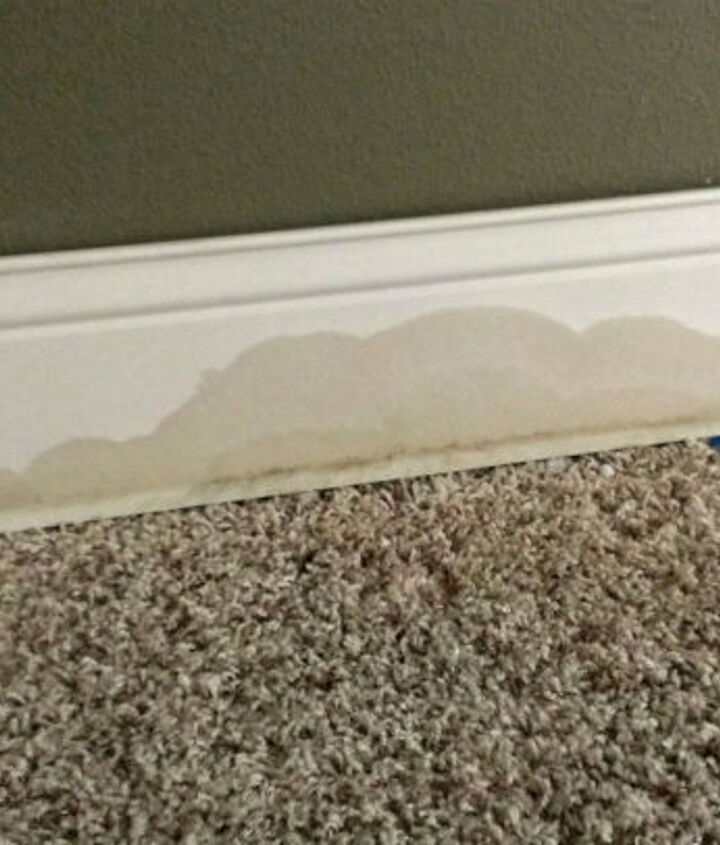
Water Damage Repair in Bal Harbour: A Practical Home Maintenance Guide
In Bal Harbour, water damage rarely looks dramatic at first.
It may begin as a faint ceiling stain in a high-rise condo. A slightly warped baseboard in a waterfront home. A musty odor that appears after a heavy rain. Because Bal Harbour properties are exposed to ocean humidity, wind-driven rain, and salt air year-round, moisture behaves differently here than it does inland.
Water damage repair in this coastal environment is not just about fixing what’s visible. It’s about understanding how water travels, how long it lingers, and how to prevent it from coming back.
For homeowners, landlords, and property managers in Bal Harbour and nearby communities like Surfside, Sunny Isles Beach, and North Miami Beach, practical maintenance makes all the difference.
Why Water Damage Is So Common in Bal Harbour
Bal Harbour sits directly along the Atlantic Ocean.
Environmental factors include:
- High year-round humidity
- Heavy seasonal rain
- Wind-driven storms
- Elevated groundwater
- Salt air exposure
- Continuous AC operation
These conditions increase the likelihood that even minor leaks can escalate.
In high-rise condos, plumbing failures or AC condensation problems often affect multiple units. In single-family homes near Biscayne Bay, slab moisture and roof intrusion are frequent concerns.
Water damage here is not unusual — but how it’s handled determines whether it becomes a recurring issue.
Common Causes of Water Damage in Bal Harbour
Water damage repair typically begins with identifying the source.
Frequent causes include:
1. Plumbing Leaks
Supply line failures, loose fittings, and appliance hose breaks can release significant water quickly.
In multi-story buildings, leaks often impact units below.
2. AC Condensation Overflow
Clogged condensate drain lines are common in coastal properties.
Water may back up into ceiling cavities or mechanical closets.
3. Roof and Flashing Failures
Salt exposure accelerates corrosion of roof components.
Wind-driven rain may enter through small gaps.
4. Balcony Drainage Issues
Clogged balcony drains allow water to pool and seep into sliding door thresholds.
5. Slab Moisture Migration
In slab-on-grade homes, groundwater can rise during heavy rain, allowing moisture to move upward into flooring and baseboards.
Identifying the root cause prevents repeat damage.
Step 1: Immediate Water Removal
When water intrusion occurs, removal must happen quickly.
Standing water is extracted using commercial-grade equipment.
This prevents:
- Warping of flooring
- Saturation of drywall
- Mold growth
- Structural deterioration
In marble and tile floors common in Bal Harbour condos, water may travel beneath grout lines and into subflooring.
Surface drying is not enough.
Moisture detection ensures hidden dampness is addressed.
Step 2: Moisture Mapping and Detection
Water spreads beyond visible areas.
Professional moisture mapping evaluates:
- Drywall
- Baseboards
- Subflooring
- Concrete slabs
- Ceiling cavities
- Cabinet interiors
In coastal climates, humidity slows drying.
Moisture meters confirm whether internal materials are fully dry before repairs begin.
Tip Top Water and Fire Damage Restoration frequently performs comprehensive moisture detection in Bal Harbour properties to prevent incomplete drying.
Step 3: Removal of Damaged Materials
Some materials cannot be saved once saturated.
Common removals include:
- Wet insulation
- Water-damaged drywall
- Carpet padding
- Pressboard cabinetry
In high-end coastal homes, careful removal protects adjacent finishes and cabinetry.
Leaving damp materials in place increases mold risk.
Repair decisions are based on moisture readings — not just appearance.
Step 4: Structural Drying
Drying is often the longest phase.
It includes:
- High-powered air movers
- Commercial dehumidifiers
- Controlled airflow placement
- Continuous humidity monitoring
Opening windows rarely helps in Bal Harbour.
Outdoor humidity often exceeds indoor levels.
Structured drying continues until moisture readings reach safe standards.
Stopping early leads to recurring problems.
Step 5: HVAC Inspection
After water damage, HVAC systems should be evaluated.
Moisture may have entered:
- Air handlers
- Duct insulation
- Drain pans
If ducts become damp, they may circulate humid air or odor.
Routine HVAC inspection is part of effective water damage repair in coastal properties.
Nearby communities like Aventura and Sunny Isles Beach often experience similar AC-related moisture concerns.
Mold Risk After Water Damage
In South Florida’s climate, mold can begin forming within 48–72 hours if moisture remains.
Signs of mold risk include:
- Musty odor
- Discoloration near baseboards
- Peeling paint
- Elevated humidity
Prompt drying significantly reduces this risk.
Moisture left untreated almost always results in secondary mold issues.
Saltwater and Corrosion Concerns
Bal Harbour’s proximity to the ocean introduces salt exposure.
When floodwater contains salt, corrosion risk increases.
Affected components may include:
- Appliances
- Electrical systems
- Metal framing
- HVAC coils
Salt residue must be properly cleaned to prevent long-term deterioration.
Corrosion issues often develop gradually after the initial event.
Practical Home Maintenance Tips
Preventing water damage requires consistent maintenance.
1. Inspect Plumbing Annually
Check supply lines and appliance hoses.
2. Service AC Systems Regularly
Flush condensate drain lines and inspect drain pans.
3. Maintain Roof and Flashing
Inspect after heavy storms.
4. Clean Balcony Drains
Prevent pooling during rain.
5. Monitor Indoor Humidity
Keep levels below 60 percent.
6. Schedule Periodic Moisture Inspections
Early detection prevents costly repairs.
High-Rise Considerations
In Bal Harbour’s luxury high-rise buildings, water damage repair may require coordination with:
- Building management
- Adjacent unit owners
- Insurance providers
Water migration between floors must be documented.
Moisture mapping ensures shared wall cavities are fully dried.
Proper documentation protects property owners from future disputes.
Why Local Coastal Experience Matters
Water damage repair in Bal Harbour requires understanding:
- Salt air exposure
- Elevated groundwater
- High-rise construction
- Slab foundations
- Continuous AC operation
What works inland may not fully address coastal variables.
Tip Top Water and Fire Damage Restoration has handled water damage repair throughout Bal Harbour and surrounding communities with methods tailored to South Florida’s environmental conditions.
Local knowledge ensures both visible and hidden moisture are addressed properly.
Long-Term Protection After Repair
Water damage repair does not end when drywall is replaced.
Long-term protection includes:
- Monitoring humidity
- Inspecting for recurring leaks
- Maintaining HVAC systems
- Checking window and door seals
- Responding quickly to small stains
In a coastal city like Bal Harbour, moisture is constant.
Proactive maintenance prevents small water events from becoming major restoration projects.
With early action, structured drying, and informed prevention, properties can remain stable and protected — even in South Florida’s humid coastal climate.