
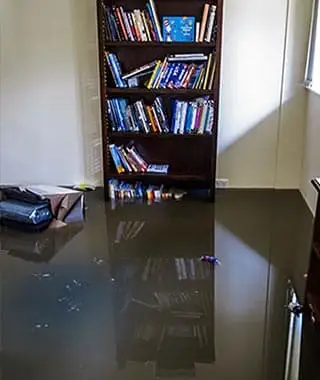
Water Damage Repair in Bal Harbour: Real-World Observations from Local Properties
Water damage is one of the most frequent property issues faced by homeowners and condominium owners in Bal Harbour. While the area is known for luxury waterfront living and beautiful coastal views, the same coastal environment also creates constant exposure to moisture, storms, and humidity-related risks. Even well-built properties can experience water intrusion when weather conditions intensify or building components age.
At QualityAir Mold Inspection & Testing, we regularly inspect properties across Bal Harbour after water damage events. Many homeowners believe repairs are complete once visible water is removed and surfaces are restored, yet our inspections often reveal hidden moisture problems that continue affecting homes long after cleanup crews leave.
Understanding how water damage behaves in real local properties helps homeowners make better decisions, prevent mold growth, and protect long-term property value.
A Typical Water Damage Situation in Bal Harbour
One common scenario begins after a heavy rainstorm or tropical weather system moves through South Florida. Wind-driven rain pushes water against windows or balcony doors, or roof vulnerabilities allow water intrusion into ceilings or walls.
Homeowners may notice dripping water or stained drywall, prompting immediate repairs. Contractors patch roof sections, repaint ceilings, or replace damaged flooring.
Weeks later, however, musty odors begin appearing. Baseboards may swell, flooring may feel uneven, or humidity levels inside the home feel higher than normal despite constant air-conditioning use.
When inspections occur, moisture is often found trapped behind walls, under flooring, or inside insulation where mold growth has begun. Because the original leak appeared small, the problem was underestimated.
This pattern is extremely common in Bal Harbour waterfront properties.
Why Water Damage Happens Frequently in Coastal Properties
Bal Harbour properties face constant exposure to environmental conditions that increase water intrusion risk.
Homes and condominiums in the area often deal with:
- Wind-driven rain during storms
- High year-round humidity
- Aging window and balcony seals
- Roof vulnerabilities after hurricanes or strong storms
- Plumbing failures in neighboring condominium units
- Air-conditioning condensation issues
Even small vulnerabilities can allow moisture into walls or ceilings. In coastal climates, materials dry slowly, meaning water often remains long enough to cause hidden damage.
Because intrusion may not always be dramatic, homeowners sometimes underestimate the long-term impact.
Real Observations from Local Property Inspections
Over years of inspections across Bal Harbour and surrounding coastal communities, certain patterns repeatedly appear.
In one waterfront condominium, a minor leak from an upstairs unit went unnoticed for months. The resident only noticed a faint odor in a closet. Inspection revealed mold growth behind walls where moisture had spread slowly.
Another property experienced a small roof leak after a storm. Repairs were completed quickly, but attic insulation remained damp. Months later, mold growth developed above living spaces and odors spread through the HVAC system.
We also frequently see balcony door seals deteriorate due to salt air exposure. Rainwater slowly enters during storms, damaging flooring beneath surfaces where homeowners cannot see it.
These situations show that water damage often spreads farther than initially visible.
How Water Damage Affects Homes Over Time
Water damage rarely stays isolated to one area. Moisture moves through building materials, often affecting multiple rooms.
Common long-term impacts include:
- Warped or buckling flooring
- Soft drywall or ceiling damage
- Swollen baseboards and cabinetry
- Musty odors spreading through rooms
- Increased indoor humidity
- Reduced HVAC efficiency
Moisture trapped in insulation also increases cooling costs, as air-conditioning systems must work harder to maintain comfort.
In luxury markets like Bal Harbour, water damage history can also influence property value, as buyers frequently request inspections before purchasing.
Addressing damage quickly protects property investments.
Why Water Damage Repair Must Go Beyond Surface Fixes
One of the biggest mistakes property owners make is focusing only on cosmetic repairs.
Painting over stains or replacing flooring without confirming dryness may trap moisture behind surfaces. Damage continues unseen until mold or odors return.
Professional water damage repair should always include:
- Complete water extraction
- Proper drying of building materials
- Moisture monitoring
- Removal of materials that cannot be salvaged
- Correction of moisture sources
Without thorough drying, problems often reappear weeks or months later.
Water Damage Repair vs. Mold Inspection
Water damage repair and mold inspection serve different purposes but often work together.
Restoration contractors focus on removing water and repairing damaged materials. However, inspections help confirm moisture has been fully eliminated and mold growth has not begun.
A professional mold inspection identifies hidden moisture and determines whether mold contamination exists. Testing may also be recommended when air quality concerns arise.
QualityAir Mold Inspection & Testing focuses on inspection and testing so corrective action addresses root moisture causes rather than temporary surface fixes.
Inspection ensures restoration work was effective.
Why DIY Cleanup Often Leads to Recurring Issues
Some homeowners attempt to handle water damage themselves using household fans or small dehumidifiers. While quick cleanup helps, professional equipment is often required to dry saturated materials completely.
Moisture trapped inside walls or subflooring cannot be detected without proper tools. Surfaces may feel dry while hidden materials remain damp.
Replacing flooring or repainting without confirming dryness often traps moisture, allowing mold growth later.
Professional inspection prevents repeated repair costs.
What Inspectors Look for After Repairs
A professional post-repair inspection follows a structured process.
Inspectors begin by reviewing repair history, including how long materials remained wet and what drying methods were used.
A visual inspection evaluates ceilings, walls, flooring, HVAC systems, and adjacent rooms for signs of moisture spread.
Moisture meters and thermal imaging cameras help detect hidden damp materials behind surfaces without demolition.
If mold growth is suspected, air or surface samples may confirm contamination.
Homeowners receive a detailed report explaining findings and recommended next steps.
An Insight Many Bal Harbour Homeowners Don’t Expect
One consistent observation from local inspections is that small, repeated moisture exposure often causes more long-term damage than major flooding events.
Large flooding events usually prompt immediate professional drying. However, slow leaks or minor storm intrusion may continue unnoticed, causing mold growth behind walls or ceilings.
Routine inspections after repairs often prevent expensive remediation later.
Practical Prevention Tips for Coastal Homes
Preventing future water damage requires proactive maintenance.
Air-conditioning systems should receive regular maintenance to ensure condensation drains properly and humidity remains controlled.
Balcony doors, windows, and exterior seals should be inspected after storms to catch leaks early.
Roof inspections should follow severe weather events.
Furniture should not be placed tightly against exterior walls where condensation may occur.
Any leaks should be repaired quickly, and wet materials dried immediately.
Routine professional inspections help confirm hidden moisture problems have not developed.
Why Local Experience Matters in Bal Harbour
Water damage behaves differently in coastal climates compared to inland areas. Inspectors must understand how Bal Harbour’s ocean exposure, humidity, and building construction influence moisture movement.
Our experience inspecting waterfront properties throughout South Florida allows us to quickly recognize moisture patterns common to coastal homes and recommend practical prevention strategies suited to local conditions.
Local expertise results in faster identification and realistic solutions.
Practical Guidance for Bal Harbour Property Owners
If your home has experienced water intrusion, persistent humidity issues, or unexplained odors after repairs, professional inspection helps ensure problems are truly resolved.
QualityAir Mold Inspection & Testing provides professional mold inspection and mold testing services while coordinating remediation when necessary.
Taking action early protects indoor comfort, prevents hidden structural damage, and helps maintain long-term property value in Bal Harbour’s coastal environment.
Water damage repair should always include moisture verification, ensuring that small issues do not quietly become costly mold problems later.