
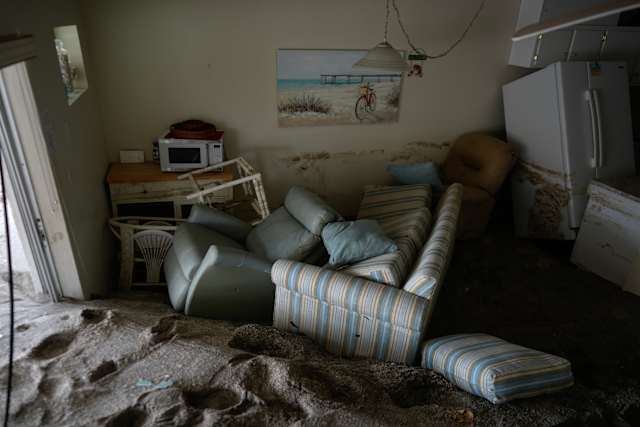
Water Damage Repair in Bayfront Homes in North Miami: A Practical Home Maintenance Guide
Bayfront living in North Miami offers incredible waterfront views and coastal comfort, but homes near the water also face unique maintenance challenges. One of the most common issues affecting these properties is water damage. Whether caused by storms, plumbing failures, or constant exposure to humid coastal air, water intrusion can quietly damage homes long before problems become visible.
For homeowners, landlords, and property managers, understanding how water damage develops and how proper repair works is essential to protecting both property value and living conditions. A practical maintenance approach focuses not only on repairs after damage occurs, but also on preventing future problems.
Here is a practical guide to understanding water damage repair in North Miami’s bayfront homes and how experienced professionals approach restoration.
Understanding Water Damage in Bayfront Properties
Water damage is not limited to major flooding events. In many North Miami bayfront homes, damage begins slowly through moisture exposure and hidden leaks.
Common causes include:
- Storm-driven rain entering through windows or roofs
- Plumbing leaks inside walls or under floors
- AC condensation overflow
- Appliance failures
- Balcony or sliding door water intrusion
- Flooding during heavy storms or king tides
Because bayfront homes are constantly exposed to humid air and salt moisture, materials can weaken over time, allowing water to enter more easily.
Why Water Damage Happens Often in North Miami Bayfront Homes
Living near Biscayne Bay offers beautiful views but also brings additional moisture challenges.
Homes located along waterfront areas face:
- Higher humidity levels year-round
- Strong storms pushing rain against buildings
- Salt air exposure weakening materials
- Older waterfront construction with aging plumbing
- Rising groundwater during heavy rainfall
- Constant AC usage creating condensation
Nearby communities like North Miami Beach, Aventura, Sunny Isles Beach, and Bal Harbour experience similar moisture risks, particularly in properties built decades ago.
Even newly constructed homes are not immune if ventilation or waterproofing systems are poorly maintained.
Common Signs Homeowners Notice First
Water damage often begins behind surfaces, so early signs may be subtle.
Typical warning signs include:
- Ceiling or wall stains
- Peeling paint or bubbling drywall
- Warped wood or laminate flooring
- Soft baseboards or door frames
- Persistent damp odors
- Mold spots appearing in corners or closets
- Increased indoor humidity
Homeowners sometimes assume these issues are cosmetic when moisture may already be spreading inside walls or floors.
Hidden Areas Inspectors Focus On
Experienced inspectors know visible damage often represents only part of the problem.
Hidden moisture commonly exists in:
- Wall cavities behind drywall
- Beneath wood or laminate flooring
- Under cabinets and appliances
- Inside air conditioning closets
- Behind shower walls
- Around sliding glass doors facing the water
- Inside attic insulation
Water can travel far from its original source, making professional inspection important even after minor leaks.
Why DIY Cleanup Usually Fails
After minor flooding or leaks, many homeowners attempt cleanup themselves. While surface drying helps temporarily, deeper moisture often remains.
DIY cleanup frequently falls short because:
- Moisture remains trapped in materials
- Walls dry unevenly without professional equipment
- Mold growth begins unseen
- Flooring weakens over time
- Odors return weeks later
Proper restoration requires controlled drying that addresses both visible and hidden moisture.
Step-by-Step Professional Water Damage Inspection
Professional inspections follow a structured process designed to locate all affected areas.
Initial Visual Inspection
Inspectors check ceilings, floors, and walls for water patterns and structural changes.
Moisture Meter Testing
Specialized meters detect moisture levels inside walls and flooring.
Thermal Imaging
Infrared cameras reveal damp areas behind surfaces without causing damage.
Source Identification
Professionals determine where water originated, whether from plumbing, storms, or condensation.
Damage Mapping
Affected zones are mapped to guide drying and repair work.
This process prevents missed moisture pockets that later cause mold or material failure.
Proper Water Damage Repair and Restoration Process
Once inspection is complete, restoration begins.
The professional process includes:
- Water extraction from affected areas
- Placement of industrial air movers and dehumidifiers
- Removal of heavily damaged materials if needed
- Continuous moisture monitoring
- Cleaning and sanitizing surfaces
- Repairing structural materials and finishes
Complete drying ensures moisture does not remain trapped within building materials.
Mold Risks After Water Damage
Mold growth is a common consequence when water damage is not addressed quickly.
In North Miami’s warm climate, mold can begin growing within two days if moisture remains. Many bayfront homes that experienced leaks later develop mold problems inside walls or closets.
Inspectors often recommend mold testing when:
- Moisture exposure lasted several days
- Musty odors persist after drying
- Mold spots appear later
- Previous repairs were incomplete
Addressing moisture fully prevents these long-term concerns.
Air Conditioning Systems and Moisture Concerns
AC systems play a major role in water damage across bayfront properties.
Constant operation produces condensation that must drain correctly. Clogged drain lines or equipment failures can cause water overflow into ceilings or walls.
Inspectors often examine:
- Drain pan condition
- Condensate drain line flow
- Air handler installation
- Duct insulation
- Moisture accumulation near vents
Routine maintenance reduces risk of hidden moisture damage.
Preventive Maintenance for Bayfront Homes
Preventive maintenance greatly reduces water damage risks in waterfront homes.
Homeowners can help protect their properties by:
- Inspecting plumbing regularly
- Sealing windows and sliding doors facing the bay
- Maintaining roofs and flashing
- Cleaning AC drain lines annually
- Monitoring indoor humidity
- Addressing leaks immediately
- Installing leak detection systems
Routine attention prevents many costly repairs later.
Why Local Experience Matters
Water damage restoration in coastal communities requires understanding local construction and weather patterns.
Bayfront homes differ from inland properties due to salt air exposure, humidity levels, and storm patterns. Restoration professionals familiar with North Miami, Sunny Isles Beach, and surrounding communities know where moisture problems usually begin.
Local companies such as Tip Top Water and Fire Damage Restoration have extensive experience addressing coastal water damage challenges specific to this region, helping homeowners achieve lasting repair results.
Taking Practical Steps to Protect Your Home
Water damage repair does not need to feel overwhelming. Early inspection and professional drying typically prevent major restoration projects.
If you notice water stains, damp smells, or unexplained humidity, arranging inspection provides clarity and allows repairs before damage spreads further.
With proper maintenance and quick response to moisture issues, North Miami bayfront homeowners can preserve both comfort and long-term property value while continuing to enjoy waterfront living.