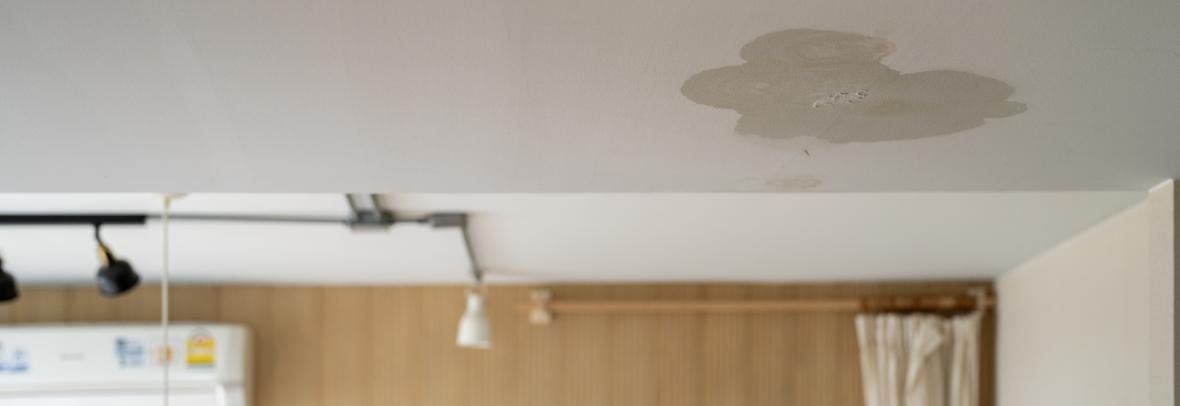
Water Damage Repair in Miami Shores: What Happens If the Problem Is Ignored
Water damage doesn’t always arrive as a dramatic flood or a burst pipe. In many homes across Miami Shores, the problem starts quietly—a small roof leak, minor plumbing issue, or moisture entering during heavy rain. At first, the damage may seem minor, and many homeowners assume it can wait.
But in South Florida’s coastal climate, ignoring water damage often leads to more serious problems over time. Heat, humidity, and limited drying conditions can turn small moisture issues into structural and indoor air quality concerns faster than many people expect.
What Water Damage Really Means
Water damage occurs whenever moisture penetrates materials that are meant to stay dry. This can include:
- Drywall and ceilings
- Flooring and subfloors
- Insulation
- Wooden framing
- Carpets and padding
Even small amounts of moisture can remain trapped behind walls or under flooring. In coastal communities like Miami Shores, high humidity often slows natural drying, allowing moisture to linger longer than it would in drier climates.
Why Water Damage Happens So Often in Miami Shores
Several local conditions make water intrusion more common in this area.
Frequent rainstorms during much of the year increase the chance of roof or window leaks.
High humidity slows evaporation, meaning damp materials stay wet longer.
Older homes in Miami Shores sometimes have aging plumbing, roofing, or ventilation systems that allow moisture to enter gradually.
Air conditioning systems can also contribute to moisture issues when condensation or drainage problems develop.
Nearby communities such as North Miami, Biscayne Park, and Aventura face similar challenges, especially during long humid summers and storm seasons.
Common Signs Homeowners Notice Early
In the early stages, water damage may be subtle. Many homeowners first notice small changes rather than obvious structural issues.
Typical warning signs include:
- Faint stains on ceilings or walls
- Musty or damp odors
- Peeling paint or bubbling drywall
- Slight warping of baseboards or flooring
- Increased indoor humidity
These signs often appear weeks or even months before more visible damage develops.
What Happens If Water Damage Is Ignored
Ignoring water damage rarely makes the problem go away. Instead, moisture continues to affect surrounding materials.
Over time, several things can happen:
Structural weakening
Wood framing and subfloors can begin to deteriorate when exposed to prolonged moisture.
Mold growth
Warm, humid environments allow mold to develop quickly, sometimes in hidden areas such as wall cavities or ductwork.
Indoor air quality problems
Moisture and microbial growth can lead to persistent odors and airborne particles.
Damage spreading to nearby materials
Water can migrate through insulation, drywall, and flooring, increasing the size of the affected area.
Higher repair costs
Small repairs are often far less expensive than full structural restoration after months of moisture exposure.
In many homes, the difference between a minor repair and a major restoration project is simply how quickly the issue is addressed.
Hidden Areas Where Damage Often Spreads
One of the biggest risks of ignoring water damage is that much of the damage remains out of sight.
Professionals frequently find moisture in:
- Behind baseboards and drywall
- Under laminate or tile flooring
- Inside attic insulation
- Around HVAC systems and ductwork
- Beneath cabinets or appliances
Because these areas aren’t visible, damage can progress for long periods before becoming obvious.
Why DIY Drying Usually Isn’t Enough
Homeowners sometimes try to dry affected areas using household fans or opening windows. While this may help remove surface moisture, it rarely reaches water trapped inside materials.
Proper drying often requires:
- Industrial air movers
- Dehumidifiers
- Moisture detection tools
- Controlled airflow
Without these measures, moisture can remain inside walls and flooring even when surfaces feel dry.
Professional Water Damage Inspection and Repair
A professional approach begins with identifying how far moisture has spread and what materials are affected.
This process may include:
- Moisture mapping of walls and floors
- Inspection of attic and ceiling areas
- Checking plumbing and AC systems
- Evaluating ventilation and humidity levels
Companies such as Tip Top Water and Fire Damage Restoration often find that small leaks in Miami Shores homes have affected larger areas than expected, especially when humidity has slowed drying.
The Water Damage Repair Process
Once the extent of the damage is known, repairs typically follow several steps:
- Removing standing water or moisture where present
- Drying structural materials thoroughly
- Removing damaged drywall or insulation when necessary
- Cleaning and treating affected surfaces
- Restoring walls, flooring, or ceilings
Drying is one of the most critical phases, particularly in coastal climates where humidity can delay evaporation.
Flood Restoration and Long-Term Effects
Even when water damage begins with a minor leak, ignoring it can eventually create conditions similar to flood damage.
Long-term moisture exposure may lead to:
- Rotting wood
- Warped flooring
- Electrical risks in damp areas
- Persistent indoor humidity
Flood restoration techniques are sometimes required simply because a small leak went untreated for too long.
Air Ducts, AC Systems, and Moisture
Water damage doesn’t only affect walls and floors. HVAC systems are often impacted as well.
Moisture near ducts or air handlers can lead to:
- Condensation inside ductwork
- Reduced cooling efficiency
- Odors circulating through vents
- Increased humidity indoors
Routine inspection and cleaning help prevent moisture from spreading through ventilation systems.
Homes in nearby North Miami Beach and Surfside frequently experience similar issues, especially when AC systems run continuously during humid months.
How to Prevent Water Damage in Miami Shores Homes
Preventive maintenance is one of the most effective ways to avoid major repairs.
Practical steps include:
- Inspecting roofs and seals regularly
- Checking plumbing connections for small leaks
- Cleaning AC drain lines
- Monitoring indoor humidity
- Addressing minor stains or odors quickly
Early action often prevents moisture from spreading to larger areas.
Why Local Experience Matters
Water damage repair in Miami Shores requires understanding how coastal weather affects drying and moisture movement.
Professionals familiar with the area understand:
- How humidity slows drying
- Common construction features in local homes
- Seasonal storm patterns
- Typical causes of hidden moisture
This local knowledge allows problems to be identified faster and repairs to be more effective.
Tip Top Water and Fire Damage Restoration has worked with many properties in Miami Shores and surrounding communities where early detection made a significant difference in repair time and cost.
A Calm, Practical Next Step
Water damage doesn’t always look serious at first, but ignoring it can allow small problems to grow into larger repairs. Paying attention to early signs—stains, odors, or humidity changes—can help prevent long-term structural damage.
In coastal environments like Miami Shores, prompt drying and repair are key to protecting a home’s structure and maintaining a comfortable indoor environment. Regular inspections and timely maintenance make it much easier to keep moisture under control and avoid costly restoration work in the future.