
Water Damage Repair in Sunny Isles Beach: What Experienced Inspectors Look For
Water damage is one of the most common property problems affecting homes and condominiums in Sunny Isles Beach and the greater North Miami area. Coastal humidity, sudden storms, aging plumbing, and constant air conditioning use create conditions where water intrusion can happen quickly and often without immediate detection.
Many homeowners only notice water damage after stains appear or flooring begins to warp. By then, moisture may have already spread behind walls or under floors. Experienced inspectors approach water damage differently, focusing on what cannot be seen at first glance.
Understanding what professionals look for during inspections helps property owners take action early and avoid larger repairs later.
Understanding Water Damage in Coastal Properties
Water damage does not always mean flooding. In many Sunny Isles Beach properties, damage begins slowly from small leaks, condensation buildup, or drainage issues.
Water intrusion can originate from:
- Plumbing leaks inside walls
- Roof leaks after storms
- Appliance failures
- AC condensation overflow
- Window or balcony intrusion during heavy rain
- Pipe corrosion in older buildings
Once moisture enters building materials, it can spread through drywall, insulation, and flooring. If not properly dried, mold growth can follow quickly.
Why Water Damage Happens So Often in Sunny Isles Beach
Local environmental factors play a major role in water damage across coastal communities.
Sunny Isles Beach properties constantly face:
- High year-round humidity
- Tropical storms and heavy rainfall
- Salt air affecting building materials
- Aging high-rise plumbing systems
- Balcony and window exposure to wind-driven rain
- AC systems running almost continuously
Nearby areas like North Miami Beach, Aventura, Surfside, and Bal Harbour experience the same patterns, especially in buildings constructed decades ago where plumbing and waterproofing systems are aging.
Even newer buildings can face moisture challenges when ventilation or drainage systems are not properly maintained.
Common Signs Homeowners Notice First
Many homeowners miss early warning signs because damage often begins out of sight.
Inspectors are often called after occupants notice:
- Ceiling stains or discoloration
- Bubbling or peeling paint
- Warped or soft flooring
- Musty odors indoors
- Damp carpets or rugs
- Mold spots appearing repeatedly
- Cabinets swelling under sinks
Sometimes neighbors in condominiums discover leaks from units above, revealing hidden moisture problems that have already spread between floors.
Hidden Areas Inspectors Always Check
Experienced water damage inspectors rarely rely only on visible signs. Instead, they focus on areas where moisture tends to hide.
Common hidden sources include:
- Inside drywall cavities
- Under laminate or hardwood flooring
- Beneath bathroom tiles
- Inside kitchen cabinets
- AC closets and drain pans
- Utility rooms and laundry areas
- Around balcony door frames
- Behind shower walls
Moisture can travel surprisingly far from its original source, making professional inspection critical.
Why DIY Cleanup Often Falls Short
Many homeowners attempt to handle water damage using fans or surface cleaning. Unfortunately, this often leaves hidden moisture behind.
DIY cleanup fails because:
- Water remains trapped inside materials
- Walls and floors dry unevenly
- Mold growth begins unnoticed
- Damage spreads over time
- Structural materials weaken
Simply drying visible areas does not ensure internal moisture has been removed. Proper repair begins with accurate detection.
What Happens During a Professional Inspection
A professional inspection follows a structured process designed to find both visible and hidden damage.
Initial Visual Assessment
Inspectors examine ceilings, walls, flooring, and fixtures for water patterns, stains, and material changes.
Moisture Meter Testing
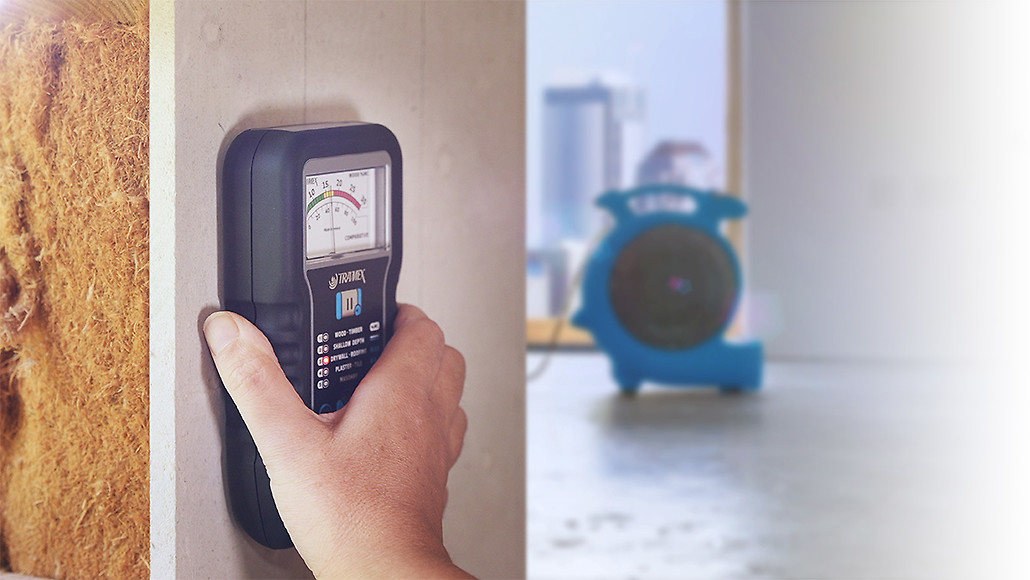
Specialized meters measure moisture inside walls and floors without causing damage.
Thermal Imaging Technology
Infrared cameras help locate cooler, damp areas behind surfaces where water has spread.
Source Identification
Inspectors determine whether moisture comes from plumbing, weather intrusion, or condensation.
Damage Mapping
Affected areas are mapped to guide drying and repairs.
This systematic approach ensures all impacted areas are addressed.
Proper Water Damage Repair and Restoration
After inspection, repair and restoration follow a structured plan.
Professional restoration typically includes:
- Water extraction from affected areas
- Placement of air movers and dehumidifiers
- Removal of damaged materials if necessary
- Controlled drying and moisture monitoring
- Cleaning and sanitizing surfaces
- Structural repairs and finishing work
Proper drying is critical because hidden moisture can later lead to mold growth or recurring damage.
Connection Between Water Damage and Mold Growth
In Sunny Isles Beach properties, mold often develops after water damage if drying is incomplete.
Mold can begin growing within 24 to 48 hours in damp conditions, especially during summer months when humidity remains high.
Inspectors often recommend mold testing when:
- Water damage has lasted several days
- Odors persist after drying
- Previous repairs failed
- Visible mold spots appear
Addressing moisture early prevents long-term mold problems.
Air Conditioning Systems and Moisture Issues
AC systems are one of the most overlooked contributors to water damage in coastal homes.
Constant cooling produces condensation, which must drain properly. If drain lines clog or units malfunction, water can overflow into walls or ceilings.
Inspectors often check:
- Drain line blockages
- Rusted drain pans
- Improper AC installation
- Air duct condensation
- Insulation gaps causing sweating ducts
Maintaining AC systems helps reduce moisture risks throughout the home.
Preventing Water Damage in Coastal Homes
While not all water damage can be prevented, homeowners can significantly reduce risk.
Preventive measures include:
- Regular plumbing inspections
- Cleaning AC drain lines annually
- Sealing windows and balcony doors
- Checking roofs after storms
- Installing leak detection devices
- Monitoring indoor humidity levels
- Addressing small leaks immediately
Routine maintenance protects both property value and living conditions.
Why Local Experience Makes a Difference
Experienced local inspectors understand how coastal conditions affect Sunny Isles Beach buildings differently than inland properties.
Construction styles, building age, and exposure to ocean air create unique challenges. Inspectors familiar with North Miami, Surfside, Aventura, and nearby communities recognize common patterns and know where problems usually begin.
Local companies such as Tip Top Water and Fire Damage Restoration have seen how even minor leaks can escalate in coastal climates, making early inspection and proper repair especially important.
Taking Calm, Practical Action
Water damage repair does not need to feel overwhelming. Early inspection and professional drying typically prevent larger restoration projects.
If you notice water stains, unusual odors, or damp surfaces, arranging an inspection provides clarity and prevents uncertainty from turning into expensive repairs.
Understanding what inspectors look for allows homeowners and property managers to act confidently, protecting their Sunny Isles Beach properties while maintaining safe, comfortable living environments for years to come.