Water Leak Detection in Biscayne Park: Real-World Observations from Local Properties
Water leaks are one of the most common maintenance issues affecting homes in Biscayne Park. Some leaks are sudden and obvious, but many develop slowly and remain hidden behind walls, beneath flooring, or inside ceilings. In coastal areas near Biscayne Bay, even small leaks can lead to larger problems because humidity slows drying and allows moisture to linger in building materials.
Over the years, real-world inspections in Biscayne Park and nearby neighborhoods such as North Miami, Miami Shores, and Surfside have revealed consistent patterns. Leaks often start in predictable places, but the damage they cause is frequently discovered in unexpected areas. Understanding how leak detection works—and what inspectors commonly find—helps property owners take action early and avoid costly repairs.
What Water Leak Detection Really Means
Water leak detection is the process of locating moisture and identifying the source of water intrusion, even when it is not visible. It involves more than simply finding a dripping pipe. Moisture can spread through structural materials and appear far from the original leak.
In Biscayne Park properties, leak detection often focuses on:
- Plumbing systems and supply lines
- Roof and ceiling areas
- Air conditioning systems
- Bathrooms and kitchens
- Exterior walls and windows
The goal is to stop the source of moisture and determine how far the water has traveled.
Why Leaks Are So Common in Biscayne Park
Biscayne Park’s climate and building styles contribute to frequent moisture-related problems. Warm temperatures and high humidity mean that once moisture enters a structure, it tends to remain longer than in drier climates.
Some of the most common causes observed during inspections include:
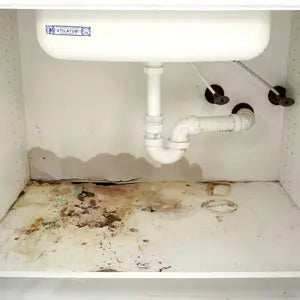
- Slow plumbing leaks beneath sinks
- AC condensation line blockages
- Roof leaks after heavy storms
- Aging window seals
- Drainage issues around foundations
- Appliance hose failures
Homes built decades ago sometimes have aging plumbing components or ventilation systems that increase the likelihood of hidden leaks.
Real-World Signs Homeowners Often Notice
In many cases, homeowners first notice subtle warning signs before realizing a leak exists. These signs may seem minor but are often early indicators of moisture problems.
Typical observations include:
- Musty odors in specific rooms
- Small stains on ceilings or walls
- Peeling paint or bubbling drywall
- Warped flooring or loose tiles
- Increased indoor humidity
- Damp or cool areas on floors
These symptoms usually appear after moisture has already spread into surrounding materials.
Hidden Areas Where Leaks Are Frequently Found
Real inspections in Biscayne Park properties often reveal moisture in areas homeowners rarely check.
Some of the most common hidden locations include:
- Behind drywall near plumbing lines
- Beneath cabinets and built-in fixtures
- Inside ceiling cavities between floors
- Beneath carpet padding
- Around HVAC equipment
Water often travels along framing or pipes before becoming visible, which is why stains may appear several feet away from the actual leak source.
Why DIY Leak Detection Often Misses the Problem
Many homeowners attempt to locate leaks themselves, especially when signs seem minor. While checking visible plumbing fixtures is helpful, hidden leaks are much harder to find without specialized tools.
DIY detection often falls short because:
- Moisture inside walls cannot be seen
- Surface dryness can be misleading
- Leaks may occur intermittently
- Hidden damage goes unnoticed
Without moisture meters or thermal imaging, it is difficult to determine whether structural materials are still damp.
The Professional Leak Detection Process Explained
Professional leak detection follows a structured approach to locate both visible and hidden moisture.
1. Visual Inspection
Technicians begin by examining areas where leaks commonly occur, including kitchens, bathrooms, ceilings, and HVAC systems.
2. Moisture Measurement
Moisture meters are used to detect elevated moisture levels in drywall, flooring, and ceilings.
3. Thermal Imaging
Infrared cameras help locate hidden damp areas by identifying temperature differences caused by moisture.
4. Source Identification
Once moisture is detected, the next step is identifying the source, whether it is plumbing, roof intrusion, or condensation.
5. Damage Assessment
Finally, technicians determine how far moisture has spread and whether drying or repairs are required.
In Biscayne Park homes, this process often reveals moisture trapped behind walls or beneath flooring long after the initial leak has stopped.
What Happens After a Leak Is Found
Once the source of a leak is identified, the priority is stopping the water and drying affected materials. Water damage repair may be necessary if moisture has spread into structural components.
Typical steps include:
- Repairing the source of the leak
- Removing standing water if present
- Drying affected areas using professional equipment
- Cleaning and sanitizing surfaces
- Repairing or replacing damaged materials
Proper drying is essential to prevent mold growth and long-term structural damage.
Tip Top Water and Fire Damage Restoration frequently encounters cases where leaks were repaired but drying was incomplete, allowing odors or mold to develop weeks later. Moisture removal is just as important as fixing the leak itself.
Mold Risks Associated with Hidden Leaks
One of the biggest concerns with undetected leaks is mold growth. Mold can begin forming within 24 to 48 hours when moisture remains trapped in organic materials.
Areas most vulnerable include:
- Drywall and ceiling panels
- Carpet padding
- Wooden framing
- Insulation
- Air ducts
Because mold often develops in concealed areas, early leak detection is one of the most effective ways to prevent contamination.
Air Conditioning Systems and Moisture Problems
Air conditioning systems play a major role in indoor moisture control in South Florida. However, they can also contribute to leaks if condensate drain lines clog or components malfunction.
During inspections in Biscayne Park, technicians often find:
- Condensation around air handlers
- Clogged drain lines
- Moisture in duct insulation
- Leaks near HVAC units
Regular maintenance of AC systems helps prevent these problems and reduces the risk of hidden moisture.
Preventing Future Water Leaks
Preventive maintenance is one of the most effective ways to reduce the likelihood of leaks and water damage.
Helpful steps include:
- Inspect plumbing connections regularly
- Replace aging appliance hoses
- Service air conditioning systems annually
- Check roofs and ceilings after storms
- Keep drains and gutters clear
- Monitor indoor humidity levels
Small issues addressed early often prevent major restoration work later.
Why Local Experience Matters
Leak detection in coastal communities requires an understanding of local building materials, humidity patterns, and weather conditions. Homes in Biscayne Park often experience slower drying times and higher moisture levels than inland properties.
Professionals familiar with Biscayne Park, North Miami, and Miami Shores understand:
- Where leaks most commonly develop
- How moisture travels through local structures
- Which areas are most vulnerable
- How long drying typically takes in humid environments
Tip Top Water and Fire Damage Restoration has worked extensively in these neighborhoods, where early detection often prevents larger repairs and mold problems.
A Calm, Practical Next Step
Water leaks rarely resolve on their own, and small problems can quickly grow into larger repairs if ignored. Early detection and proper drying help protect both the structure of a property and indoor air quality.
For homeowners and property managers in Biscayne Park, routine inspections and prompt repairs remain the most reliable way to prevent hidden moisture from turning into costly restoration work.