Water Leak Detection in North Miami Beach: How Coastal Conditions Make Things Worse
North Miami Beach, Florida, is a vibrant coastal city with a mixture of high-rise condos, waterfront estates, and traditional single-family homes. Living near Biscayne Bay offers breathtaking views and tropical breezes, but it also introduces unique challenges related to water intrusion. One of the most critical concerns for homeowners, landlords, and property managers is detecting water leaks early before they lead to structural damage, mold growth, or indoor air quality issues.
Water leak detection in North Miami Beach requires both vigilance and an understanding of how the region’s coastal conditions exacerbate problems. From high humidity to salt-laden air and frequent storm events, local factors make leaks more damaging and harder to detect, necessitating professional strategies to protect homes and investments.
Why Water Leak Detection Is Essential
Even small leaks can lead to significant problems if left unaddressed. Water intrusion can compromise structural integrity, ruin finishes, and create hidden mold infestations. For coastal properties, early detection is particularly important because:
- Humidity accelerates damage: Persistent moisture in walls, ceilings, or floors promotes mold and decay.
- Salt air corrodes materials: Coastal air can accelerate metal corrosion in plumbing, HVAC components, and fixtures.
- Stormwater infiltration adds pressure: Heavy rains can overwhelm drainage systems and reveal vulnerabilities in roofing, siding, or foundations.
- Hidden leaks are common: Many leaks in North Miami Beach homes occur behind walls, under slabs, or within attics, going unnoticed until significant damage occurs.
By detecting leaks early, homeowners can prevent costly repairs, maintain indoor air quality, and protect their property value in a competitive coastal market.
Common Sources of Water Leaks in North Miami Beach
Understanding the primary causes of water intrusion helps homeowners focus preventive efforts and identify early warning signs.
1. Plumbing System Failures
Leaking pipes, corroded fittings, and aging water heaters are frequent sources of water intrusion. Even minor drips can saturate floors, walls, or cabinets over time.
2. Roof and Flashing Leaks
Storms, high winds, and sun exposure can damage shingles or flashing, allowing rainwater to penetrate attics, ceilings, and wall cavities.
3. AC Condensation Issues
Air conditioning units generate condensation, which is normally drained through condensate lines. When lines become clogged or pans overflow, water can leak into floors or walls.
4. Appliance Malfunctions
Dishwashers, washing machines, refrigerators with ice makers, and water softeners are potential sources of hidden leaks. Poor installation, worn seals, or unnoticed malfunctions can cause persistent moisture problems.
5. Stormwater and Flooding
North Miami Beach’s coastal location and low-lying neighborhoods make properties susceptible to stormwater intrusion, particularly during tropical storms or heavy rainfall events.
6. Groundwater Seepage
Rising water tables near Biscayne Bay can allow groundwater to seep into slab foundations, basements, or crawl spaces, causing hidden water intrusion.
How Coastal Conditions Make Leak Detection Harder
North Miami Beach’s environment creates additional complications when it comes to identifying water leaks.
High Humidity
Humidity levels above 70% can mask minor leaks by keeping materials damp even without visible water. Homeowners may not notice the problem until staining, warping, or odor occurs.
Salt-Laden Air
Salt particles in coastal air accelerate corrosion in pipes, fittings, and AC components. Corrosion can lead to slow, undetectable leaks inside walls, ceilings, or under floors.
Frequent Storms and Rainfall
Heavy rains and tropical storms often conceal small leaks or create temporary flooding that hides the original source. Standing water may recede before detection, leaving behind damp materials that promote mold growth.
Slab Foundations and Crawl Spaces
Many North Miami Beach homes are built on slab foundations or have difficult-to-access crawl spaces. Leaks under slabs or behind walls can go unnoticed for weeks or months, causing hidden structural and microbial damage.
Older Construction Materials
A significant number of homes in North Miami Beach use older plumbing, AC systems, and building materials that may fail due to wear and corrosion, creating additional hidden leak points.
Early Warning Signs of Water Leaks
Homeowners should be alert to these indicators of potential water intrusion:
- Unexplained spikes in water bills
- Damp, discolored, or sagging walls, ceilings, or floors
- Musty odors, especially in closets, attics, or crawl spaces
- Mold growth on walls, baseboards, or around AC units
- Water pooling near appliances, sinks, or AC units
- Reduced water pressure or unusual sounds in plumbing systems
- Corrosion or rust on exposed pipes, fittings, or HVAC components
Even small or intermittent signs should prompt professional inspection to prevent long-term damage.
Professional Water Leak Detection Methods
Due to the hidden nature of many leaks in coastal properties, professional methods are often necessary. These include:
1. Visual Inspection
Technicians examine plumbing, appliances, AC units, roofs, and drainage systems for obvious signs of leaks or damage.
2. Moisture Meters
Advanced moisture meters detect water content within walls, floors, and ceilings, identifying damp areas before visible signs appear.
3. Thermal Imaging Cameras
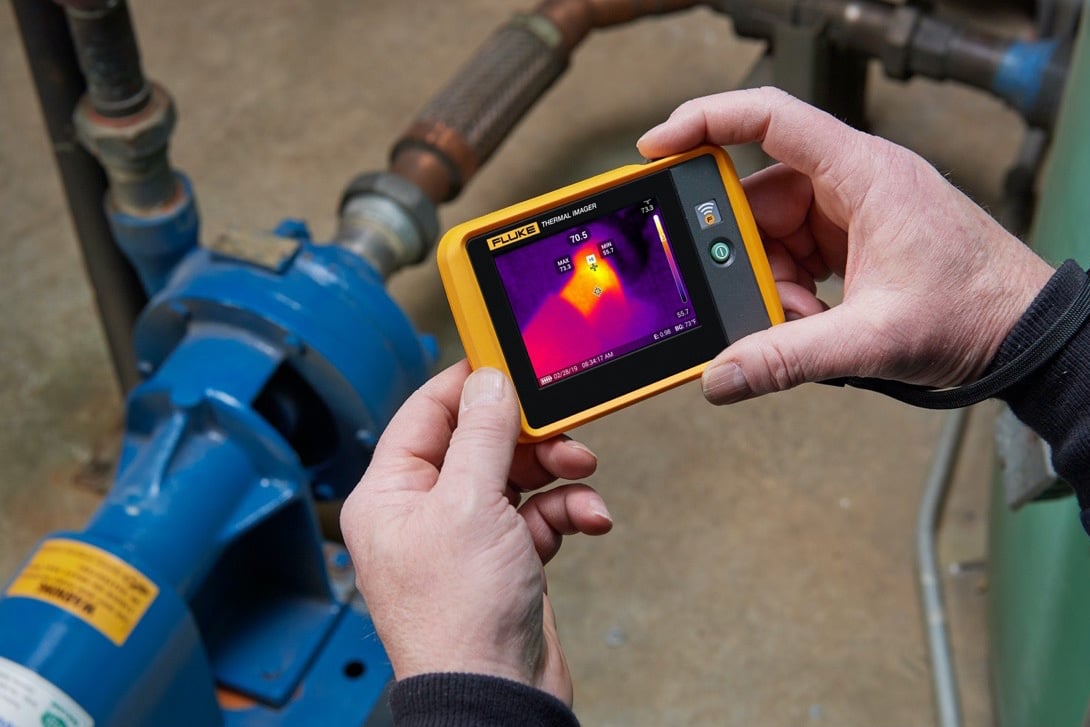
Infrared cameras reveal temperature anomalies caused by water presence, helping locate hidden leaks behind walls or under slabs.
4. Ultrasonic Leak Detection
High-frequency sound waves identify leaks in pressurized pipes, even if they are concealed within walls or underground.
5. Ductwork Inspection
HVAC ducts are inspected for moisture accumulation, condensation, and microbial growth, which can spread water and contaminants throughout the home.
6. Water Testing and Tracer Methods
In some cases, traceable dyes or sensors are introduced into plumbing systems to pinpoint exact leak locations.
Lessons Learned from Local Homes
Real North Miami Beach homes demonstrate that coastal conditions demand careful attention:
- Hidden Leaks Are Common: Leaks behind walls, under slabs, or in AC systems can go unnoticed until significant damage occurs.
- Humidity Masks Issues: Even small leaks can persist without visible signs due to the naturally high moisture levels.
- Storms Amplify Damage: Rain events often reveal weaknesses in roofing, flashing, and drainage systems.
- Proactive Detection Saves Money: Early identification of leaks prevents costly structural repairs, mold remediation, and indoor air quality problems.
These lessons reinforce the value of routine inspections and professional leak detection.
Long-Term Protection Strategies
After leaks are detected and repaired, homeowners should implement measures to prevent recurrence:
1. Regular Plumbing Inspections
Check pipes, water heaters, faucets, and appliances periodically to catch small leaks early. Replace worn or corroded components proactively.
2. Roof and Flashing Maintenance
Inspect roofs annually, clear gutters, and ensure flashing and shingles are intact to prevent water intrusion.
3. AC System Maintenance
Clean coils, clear condensate lines, and inspect drip pans regularly to prevent hidden moisture buildup. Consider dehumidifiers in high-humidity areas.
4. Seal Entry Points
Weatherproof windows, doors, and foundation cracks to prevent rainwater and salt-laden air from entering the home.
5. Monitor Indoor Humidity
Use a hygrometer to track humidity levels, and maintain optimal indoor humidity between 45–55%.
6. Landscaping and Drainage
Proper grading and drainage around the property help direct stormwater away from foundations and prevent seepage.
7. Professional Follow-Up
Schedule routine inspections of plumbing, AC systems, ductwork, and roofing to detect hidden issues before they escalate.
Why Local Expertise Matters
North Miami Beach properties face challenges unique to coastal environments:
- High humidity accelerates moisture accumulation and microbial growth.
- Salt-laden air accelerates corrosion and hidden leaks.
- Stormwater intrusion is a recurring seasonal risk.
- Slab foundations and older homes often have concealed leak points that require specialized detection methods.
Tip Top Water and Fire Damage Restoration, with extensive local experience, understands these nuances and provides professional leak detection, repair, and long-term protection strategies tailored to coastal homes in North Miami Beach, North Miami, Sunny Isles Beach, Bal Harbour, Aventura, Miami Shores, Surfside, and Biscayne Park.
Benefits of Timely Leak Detection
Prompt and professional leak detection offers multiple advantages:
- Prevents structural damage to floors, walls, and ceilings
- Reduces the risk of mold growth and poor indoor air quality
- Preserves HVAC efficiency and functionality
- Minimizes long-term repair costs and restoration needs
- Maintains property value in a high-demand coastal market
- Provides peace of mind for homeowners and tenants
A Practical Approach for Homeowners
To protect bayfront and coastal properties in North Miami Beach, homeowners should adopt a proactive water management strategy:
- Monitor for early signs of leaks and moisture accumulation.
- Engage professional water leak detection services for thorough inspections.
- Repair leaks immediately to prevent escalation.
- Implement preventive measures including plumbing maintenance, AC system inspections, humidity control, and proper drainage.
- Schedule periodic follow-ups to ensure systems remain leak-free.
By combining early detection with long-term protection strategies, property owners can safeguard their homes against water damage, mold growth, and the unique challenges posed by North Miami Beach’s coastal environment.