Water Leak Detection in North Miami Beach in Rental Properties: What to Watch For
Rental properties in North Miami Beach present a unique set of challenges for water leak detection. With high occupancy turnover, year-round humidity, aging plumbing, and frequent use of air conditioning systems, water intrusion can go unnoticed for weeks, causing significant property damage, mold growth, and increased maintenance costs. Understanding how leaks manifest, what signs to look for, and how to address them promptly is essential for landlords, property managers, and tenants alike.
In neighborhoods such as North Miami Beach, Sunny Isles Beach, Bal Harbour, Aventura, Surfside, Biscayne Park, and nearby coastal areas, early detection of water leaks protects both property value and indoor air quality. Real-world experience demonstrates that timely identification and intervention can prevent minor leaks from escalating into expensive repairs.
Why Water Leaks Are a Common Issue in Rental Properties
Rental properties face more frequent water-related problems than single-family homes due to several factors:
1. High Occupancy Turnover
Multiple tenants over short periods mean water-using appliances — washing machines, dishwashers, sinks, and toilets — are frequently in use. Wear and tear on plumbing connections is accelerated, increasing the risk of leaks.
2. Aging Plumbing Systems
Many rental units in North Miami Beach were built decades ago. Older copper, PVC, or galvanized piping may develop pinhole leaks or corroded joints, particularly in coastal environments where salt air accelerates deterioration.
3. AC Condensation and HVAC Issues
Air conditioning units are running year-round in South Florida. Condensate lines can clog, overflow pans may rust, and leaks can saturate flooring or walls without being immediately obvious.
4. Environmental Factors
Heavy rainfall, storms, and high humidity contribute to hidden water intrusion. Water can enter through windows, sliding doors, or poorly sealed slab foundations. Coastal properties near Biscayne Bay are especially vulnerable to flooding or elevated groundwater levels.
Common Sources of Water Leaks in Rental Properties
Detecting leaks requires knowing where to look. Some of the most frequent sources include:
- Plumbing Fixtures: Faucets, showerheads, toilets, and sinks can leak at connections or through worn seals.
- Appliances: Dishwashers, refrigerators with ice makers, washing machines, and water heaters can develop leaks.
- AC Systems: Blocked condensate lines or malfunctioning drip pans may overflow.
- Roof and Window Seals: Heavy rains or storm surges can infiltrate poorly sealed areas, especially in older condos.
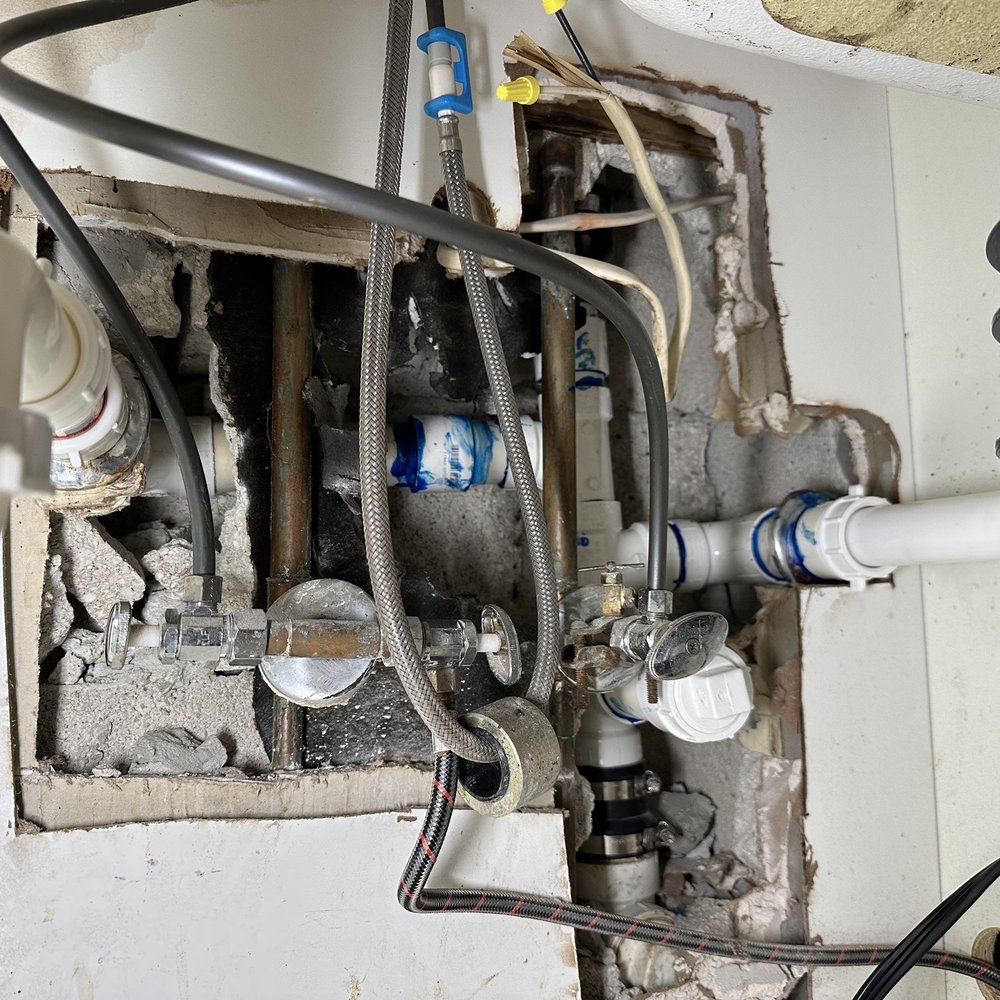
- Pipes Behind Walls: Water can seep undetected behind drywall, particularly from supply lines or leak-prone joints.
- Slab Foundations: Concrete slabs may allow water intrusion if waterproofing is compromised or during flooding events.
Each source has unique characteristics, and detection strategies must account for them.
Early Signs of Water Leaks
Even subtle indicators can reveal developing leaks before major damage occurs. Property owners should watch for:
- Stains and Discoloration: Yellow or brown marks on ceilings, walls, or baseboards.
- Warped Flooring: Buckling or soft spots in hardwood, laminate, or carpet padding.
- Musty Odors: Lingering damp smells indicate moisture accumulation and potential mold growth.
- High Water Bills: Unexpected increases may signal hidden leaks.
- Dripping Sounds: Water flowing in walls or ceilings, sometimes audible only at night.
- Rust or Corrosion: Around fixtures, appliance connections, or HVAC components.
- Humidity Spikes: Elevated indoor humidity after rain, often detected through condensation on windows or mirrors.
Prompt attention to these signs can prevent costly repairs and mold remediation later.
Tools and Techniques for Effective Leak Detection
Professional water leak detection combines experience with specialized tools:
1. Moisture Meters
Handheld meters measure moisture levels in drywall, wood, or flooring, identifying areas of concern not visible to the naked eye.
2. Thermal Imaging Cameras
Thermal cameras detect temperature differences caused by damp areas, revealing hidden leaks behind walls or under floors.
3. Acoustic Listening Devices
For pressurized pipes inside walls, acoustic equipment can detect dripping or flowing water.
4. Video Pipe Inspection
Cameras inserted into plumbing lines can locate blockages, corrosion, or small leaks without invasive demolition.
5. Hygrometers and Data Loggers
Monitoring indoor humidity over time helps identify moisture trends and potential AC or environmental causes of water accumulation.
Real-World Observations in North Miami Beach Rental Units
Through experience with rental properties in North Miami Beach, several patterns emerge:
- Slow Leaks Are Common: Tenants may not notice minor leaks from toilets, faucets, or hidden pipes, which over weeks can damage drywall and flooring.
- AC Overflow Is Frequently Overlooked: Condensate pan leaks often go unnoticed, especially in unoccupied units or during tenant turnover.
- Mold Growth Develops Quickly: In South Florida’s humid climate, even small leaks left for days can lead to visible or hidden mold growth.
- Multi-Unit Buildings: Leaks from neighboring units can affect lower floors, emphasizing the importance of coordinated building inspections and proactive maintenance.
These observations underscore the importance of routine inspections and prompt attention to water-related signs.
Why Prompt Action Matters
Delaying detection and repair can have serious consequences:
- Structural Damage: Drywall, subflooring, and cabinetry can warp or weaken.
- Mold Proliferation: Hidden mold spores reduce indoor air quality and increase remediation costs.
- Tenant Complaints: Odors, damp flooring, and visible damage may lead to disputes or legal claims.
- HVAC Contamination: Moisture can spread through ductwork, affecting air quality throughout the unit.
Early detection not only reduces repair costs but also protects tenant safety and property value.
Best Practices for Property Owners
Landlords and property managers can implement proactive strategies to minimize water damage:
- Routine Inspections: Check all plumbing fixtures, appliances, AC systems, and roof/wall seals regularly.
- Install Moisture Alarms: Sensors in high-risk areas (under sinks, near water heaters, and in AC closets) alert to leaks early.
- Tenant Education: Encourage tenants to report dripping fixtures, damp spots, or musty odors immediately.
- Maintain HVAC Systems: Clean condensate lines, inspect drip pans, and monitor indoor humidity.
- Professional Leak Detection: Schedule periodic inspections with certified water damage restoration companies to catch hidden issues.
- Prompt Repairs: Address minor leaks immediately to prevent escalation.
These steps are particularly effective in multi-unit condos or coastal rental homes where water intrusion can quickly affect multiple units.
Coordinating with Professional Restoration Services
For significant leaks or hidden water intrusion, professional restoration companies provide comprehensive solutions:
- Water Removal: Extraction of standing water and thorough drying of affected materials.
- Moisture Mapping: Identifying hidden damp areas behind walls or beneath flooring.
- Mold Prevention: Applying antimicrobial treatments and ensuring humidity control.
- Documentation: Detailed reports for insurance claims or property management records.
Tip Top Water and Fire Damage Restoration has extensive experience in North Miami Beach and surrounding coastal communities. Their local expertise ensures that water leaks are identified quickly and addressed effectively to minimize damage.
Long-Term Benefits of Effective Leak Management
Proactive water leak detection in rental properties yields several advantages:
- Protects Property Value: Prevents long-term structural damage and costly repairs.
- Maintains Indoor Air Quality: Reduces risk of mold and microbial contamination.
- Reduces Tenant Complaints: Promotes tenant satisfaction and retention.
- Prevents Energy Loss: Dry, intact insulation and HVAC systems operate more efficiently.
By integrating routine inspections, monitoring tools, and professional support, property owners can mitigate the challenges of coastal North Miami Beach rentals.
Conclusion
Water leak detection in North Miami Beach rental properties is essential to prevent minor issues from escalating into costly damage. Between high humidity, aging plumbing, and year-round AC use, leaks can remain hidden and create conditions conducive to mold growth and structural compromise.
Homeowners, landlords, and property managers must be vigilant for early signs of leaks, implement proactive maintenance strategies, and utilize professional detection services when necessary.
By acting promptly and adopting a comprehensive approach, rental property owners in North Miami Beach, Sunny Isles Beach, Bal Harbour, Aventura, Surfside, and nearby coastal neighborhoods can protect their investments, maintain tenant satisfaction, and ensure safe, healthy living environments.