
Water Leak Detection in North Miami in Rental Properties: What to Watch For
Introduction: Why Leak Detection Is Critical in Rental Properties
Rental properties across North Miami provide housing for families, students, and seasonal residents, but they also present unique maintenance challenges for landlords and property managers. One of the most frequent and costly issues affecting rental units is hidden water leaks.
Unlike sudden flooding events, leaks in rental properties often develop quietly behind walls or under flooring. Tenants may overlook early warning signs or delay reporting small problems, allowing damage to spread before repairs begin. By the time leaks become obvious, restoration costs may be significantly higher.
Understanding what to watch for helps property owners and managers prevent long-term structural damage, reduce repair expenses, and keep rental units safe and livable.
How Water Leaks Develop in Rental Properties
Most leaks in rental homes or apartments begin slowly. Aging plumbing connections, worn pipe fittings, or small cracks in supply lines often allow water to escape gradually.
Because water spreads into drywall, insulation, and flooring materials, damage may continue unseen for weeks or even months. Tenants might not notice small leaks, especially when water remains hidden inside walls.
In multi-unit buildings common throughout North Miami, leaks from one apartment can also affect neighboring units. Water often travels through ceilings and walls before becoming visible, making leak detection more complicated.
Identifying leaks early prevents minor issues from turning into major restoration projects.
Why Leak Problems Are Common in North Miami Rentals
North Miami properties face several environmental factors that increase moisture risks. South Florida’s humid climate means moisture problems develop easily, especially during summer months.
Heavy rainstorms and hurricane season also introduce water intrusion risks through roofs, balconies, and windows. Rental buildings with older roofing systems are especially vulnerable.
Many rental properties also contain older plumbing infrastructure. Pipes installed decades ago may corrode internally, eventually leading to leaks hidden inside walls or foundations.
Air conditioning systems contribute as well. When condensate drain lines clog or overflow, moisture leaks into ceilings or closets unnoticed.
Nearby communities like Miami Shores, Biscayne Park, and North Miami Beach experience similar challenges, particularly in older rental buildings.
Warning Signs Tenants or Managers Often Notice
Water leaks usually produce subtle warning signs before serious damage appears. In rental properties, tenants often notice issues but may not report them immediately.
Common warning signs include stains forming on ceilings or walls, peeling or bubbling paint, and warped flooring surfaces. Musty odors indoors often indicate hidden moisture behind surfaces.
Cabinets beneath sinks may feel damp, and mold sometimes appears along baseboards or corners. Tenants may also hear dripping sounds inside walls or notice humidity levels feel higher than normal.
Unexpected increases in water bills for landlords may also indicate hidden leaks within plumbing systems.
Recognizing these clues early helps property managers act quickly before damage spreads.
Hidden Areas Where Rental Property Leaks Occur
Leak detection becomes challenging because moisture often spreads in areas not easily visible. Professional inspections frequently reveal leaks in unexpected locations.
Common hidden areas include plumbing lines behind bathroom and kitchen walls, beneath bathtubs, inside ceilings below upper units, and under flooring in kitchens or laundry rooms.
Air conditioning systems installed in closets or attics also frequently leak when drainage systems clog. In apartment buildings, shared plumbing stacks can allow leaks to affect multiple units.
Because water travels through structural materials, visible damage may appear far from the actual leak source.
Professional leak detection ensures inspections cover all possible areas.
Why DIY Repairs Often Lead to Bigger Problems
Property owners sometimes attempt to fix leaks themselves once damage becomes visible. While small plumbing fixes may seem effective, hidden moisture often remains trapped inside structures.
DIY repairs usually stop visible leaks but fail to address soaked drywall or insulation. Moisture left behind can lead to mold growth or structural deterioration.
Without specialized tools, it is difficult to determine how far water has spread. Professional leak detection uses equipment that reveals hidden moisture, ensuring repairs solve the full problem.
Addressing leaks thoroughly prevents repeated tenant complaints and restoration costs.
How Professional Leak Detection Works
Professional leak detection involves more than checking visible plumbing fixtures. Restoration professionals use advanced tools to locate hidden moisture and leak sources accurately.
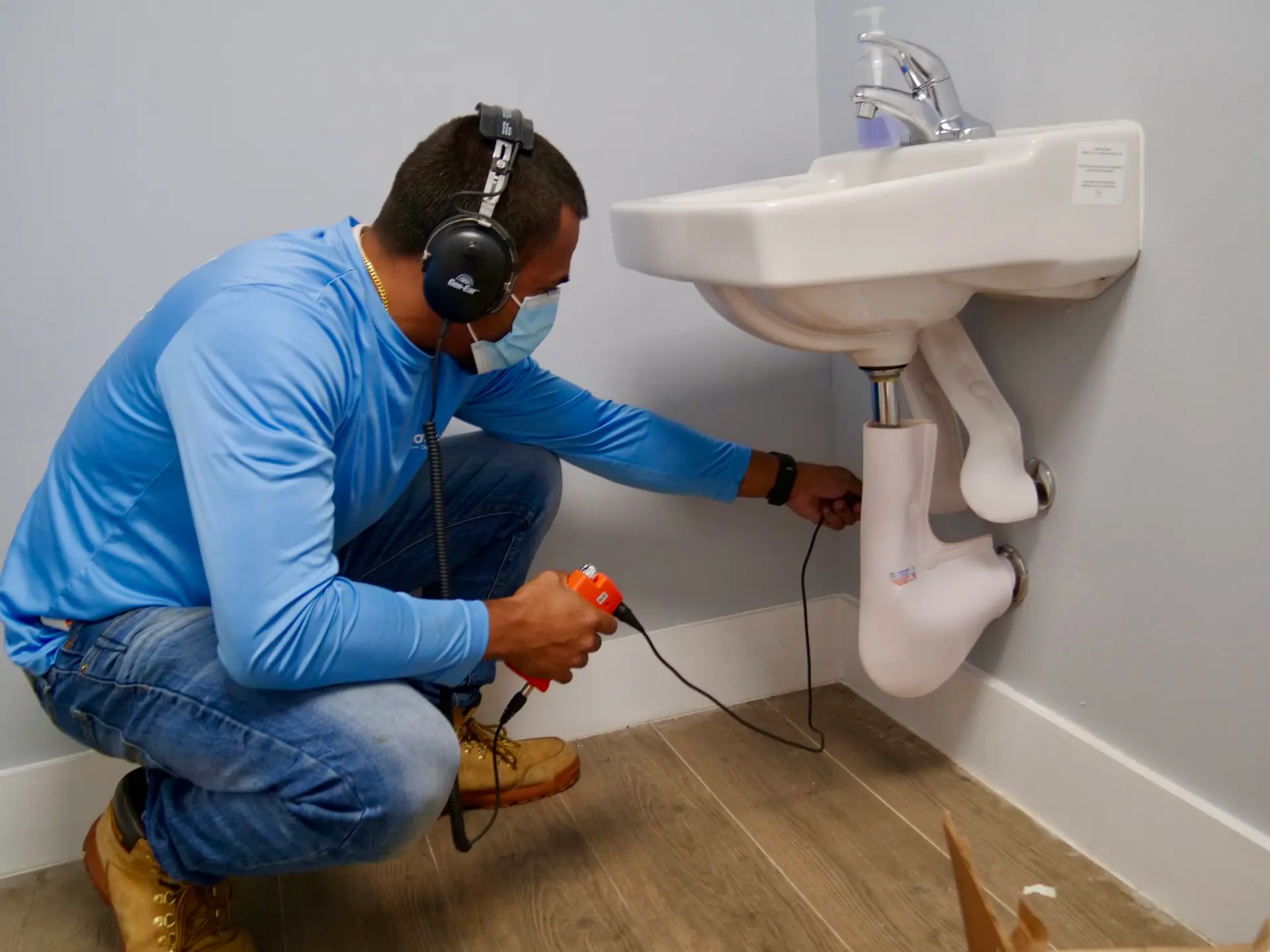
Moisture meters measure dampness inside walls and flooring, while thermal imaging cameras detect temperature differences caused by trapped water. Acoustic equipment may identify leaks inside pipes without opening walls.
Inspectors also examine roofs, windows, foundations, and AC systems for possible moisture intrusion. This approach helps technicians locate leak sources while minimizing unnecessary demolition.
Accurate detection allows repairs to focus only where needed, saving time and expense.
Repair and Restoration After Leak Detection
Once leaks are located and repaired, restoration teams focus on removing moisture from affected areas. Professional drying equipment removes trapped water inside walls and floors.
In some cases, damaged drywall or insulation must be replaced. Flooring repairs may also be required when moisture exposure is severe.
Local restoration teams, including Tip Top Water and Fire Damage Restoration, frequently observe that quick response in rental properties significantly reduces long-term repair expenses.
Fast action keeps units habitable while protecting property value.
HVAC Systems as a Frequent Leak Source
Air conditioning systems are essential in North Miami rentals, but they also create common moisture problems. Condensation produced during cooling must drain properly, or leaks develop.
Clogged drain lines or damaged pans often allow water to leak into ceilings or walls. Because tenants may not access AC areas regularly, leaks sometimes continue unnoticed.
Routine HVAC maintenance and inspections help prevent unexpected moisture damage in rental units.
Long-Term Prevention Tips for Rental Property Owners
Preventing recurring leaks requires consistent maintenance rather than reacting only after problems appear. Property owners should schedule regular plumbing inspections and replace aging pipes before failures occur.
Roof maintenance and sealing windows help prevent stormwater intrusion. AC drain lines should be cleaned annually to prevent overflow problems.
Installing leak detection sensors near appliances, water heaters, and AC systems provides early warning of leaks. Encouraging tenants to report moisture problems quickly also helps prevent damage from spreading.
Preventive care reduces restoration costs while maintaining tenant satisfaction.
Why Local Experience Matters for Leak Detection
Leak detection challenges vary depending on climate and construction style. Professionals familiar with North Miami rental properties understand how humidity, storms, and aging infrastructure influence moisture risks.
Teams serving North Miami, Miami Shores, Biscayne Park, and nearby communities recognize common leak sources in rental buildings and apply solutions suited to local construction methods.
Companies like Tip Top Water and Fire Damage Restoration bring practical experience gained across South Florida communities, helping property owners resolve moisture problems efficiently.
Local expertise ensures repairs address real environmental conditions rather than temporary fixes.
A Practical Next Step for Property Owners
If your rental property shows signs of hidden moisture or unexplained water damage, scheduling professional leak detection is a smart preventive step. Early action prevents small plumbing issues from becoming major restoration expenses.
For landlords and property managers in North Miami, proactive inspections and maintenance protect both tenant comfort and long-term property value. Addressing leaks early ensures rental units remain safe, dry, and structurally sound while avoiding costly future repairs.