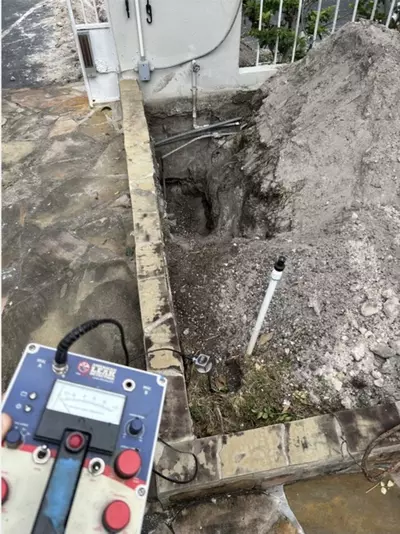
Water Leak Detection in Sunny Isles Beach: A Practical Home Maintenance Guide
Sunny Isles Beach, Florida, is a thriving coastal city known for its high-rise condos, waterfront properties, and vibrant beachfront lifestyle. While the area provides residents with beautiful views and warm weather year-round, the local climate presents unique challenges for property maintenance. One of the most common and potentially damaging issues is water intrusion. Even small, undetected leaks can compromise structural integrity, lead to mold growth, and reduce indoor air quality if left unaddressed.
For homeowners, landlords, and property managers in Sunny Isles Beach, understanding how to detect water leaks is essential. Early detection not only prevents costly repairs but also ensures a safe and healthy living environment. This guide explains the causes of water leaks, common signs, methods for detection, real-world observations, and strategies for ongoing maintenance and prevention.
Understanding Water Leaks in Coastal Homes
Water leaks occur when moisture escapes from pipes, roofing, HVAC systems, or building envelopes and infiltrates areas where it should not be. In Sunny Isles Beach, several factors make homes particularly susceptible:
- High humidity and salt air – Coastal conditions accelerate corrosion in plumbing and HVAC systems.
- Aging plumbing – Older pipes may develop pinhole leaks or weakened joints.
- High-rise construction – Shared water lines, rooftop plumbing, and pressure fluctuations increase the risk of leaks.
- AC condensation issues – Air conditioning units in high humidity areas often produce excess condensation.
- Storms and heavy rain – Intense seasonal rains can cause roof or window leaks, or allow water intrusion into foundations and walls.
Even a small leak can have long-term effects, including warped flooring, peeling paint, structural damage, and mold growth. Detecting leaks early is critical to minimizing these issues.
Common Causes of Water Leaks in Sunny Isles Beach
Local observations indicate that water leaks in Sunny Isles Beach homes often stem from the following sources:
Plumbing System Failures
Leaky pipes, loose connections, and faulty faucets are common causes of water intrusion. In high-rise condos, shared plumbing systems increase the risk that a leak in one unit may affect multiple floors.
Roof and Window Leaks
Heavy rains and tropical storms can exploit weak seals around windows, sliding doors, or roofing materials. Older buildings are particularly vulnerable to this type of leak.
AC and HVAC Condensation
Air conditioning systems remove humidity from the air, but blocked drain lines, malfunctioning drip pans, or poor ventilation can allow water to escape into walls, ceilings, or floors.
Appliance Malfunctions
Washing machines, dishwashers, and water heaters can develop leaks, especially when improperly maintained or past their service life.
Foundation and Slab Leaks
Groundwater infiltration can occur in older homes or properties near the waterfront, leading to moisture under slabs or in crawl spaces.
Signs Homeowners Should Watch For
Detecting a water leak early often depends on noticing subtle signs before visible damage occurs. Common indicators include:
- Visible Water Stains – Brown or yellow discoloration on ceilings, walls, or floors.
- Warped or Soft Flooring – Wood, laminate, or vinyl flooring may swell or feel spongy.
- Peeling Paint or Wallpaper – Persistent moisture causes surfaces to lose adhesion.
- Musty Odors – Lingering damp or moldy smells often indicate hidden water accumulation.
- Increased Water Bills – Unexplained spikes in water usage can signal leaks in plumbing lines.
- Dripping Sounds – Water dripping inside walls or ceilings may indicate a concealed leak.
- HVAC Inefficiency – Reduced cooling or dripping condensate from AC units can point to moisture issues.
Early recognition of these signs allows homeowners to take action before water damage spreads or mold develops.
Methods for Water Leak Detection
Detecting water leaks effectively requires a combination of observation, technology, and professional expertise:
1. Visual Inspection
Regularly check ceilings, walls, flooring, and appliance connections for water stains, mold, or warped surfaces. Look behind appliances and around plumbing fixtures.
2. Moisture Meters
Handheld moisture meters measure water content in building materials, identifying hidden damp areas that are not visible to the naked eye.
3. Thermal Imaging Cameras
Infrared cameras detect temperature variations caused by moisture. These tools can reveal leaks behind walls, under floors, or in ceilings without destructive probing.
4. Pressure Testing
Plumbing pressure tests help identify leaks in water supply lines, especially in high-rise condos where access may be limited.
5. Water Flow Monitors
Smart sensors installed in plumbing systems can alert homeowners to unusual water usage, automatically detecting leaks early.
6. Professional Inspection
Certified water damage and mold specialists provide comprehensive inspections, combining all of the above methods to identify both visible and hidden leaks.
Real-World Observations in Sunny Isles Beach
Local experience highlights several patterns that property owners encounter:
High-Rise Condo Challenges
Shared water lines, AC systems, and rooftop plumbing make early detection difficult. Leaks in upper units can affect lower floors if unnoticed.
Coastal Humidity Effects
Even minor condensation in ductwork or near AC units can accumulate over weeks, creating moisture problems behind walls and ceilings.
Aging Plumbing Systems
Homes built several decades ago often have galvanized or older copper piping that develops pinhole leaks or corrosion, particularly near joints or high-pressure sections.
Tenant-Occupied Units
In rental properties, delays in reporting small leaks can result in extensive water damage, mold growth, and more costly repairs.
Appliance-Related Leaks
Dishwashers, washing machines, and water heaters are frequent culprits. Routine inspections and maintenance prevent leaks from escalating.
Why Professional Water Leak Detection Is Essential
While homeowners can detect some leaks visually, professional intervention ensures thorough and accurate identification:
- Locates Hidden Leaks – Behind walls, under floors, or in ductwork.
- Prevents Secondary Damage – Early detection minimizes structural damage and mold growth.
- Protects Property Value – Undetected leaks can reduce resale value in coastal communities.
- Coordinates with Remediation – Experts can link leak detection to mold remediation, AC moisture repair, and water damage restoration.
Tip Top Water and Fire Damage Restoration has extensive experience detecting and addressing water leaks in Sunny Isles Beach, North Miami Beach, Aventura, Bal Harbour, Miami Shores, Surfside, and Biscayne Park. Their local expertise ensures leaks are identified and resolved efficiently.
Steps to Take After a Leak Is Detected
Once a leak is detected, prompt action is essential:
- Shut Off Water – Stop the flow to prevent further damage.
- Assess the Source – Determine whether the leak originates from plumbing, appliances, AC systems, or external infiltration.
- Contain the Area – Protect flooring, furniture, and valuables from water exposure.
- Call Professionals – Certified water damage and mold remediation experts can fully inspect and address both visible and hidden damage.
- Dry and Dehumidify – Use industrial air movers and dehumidifiers to remove moisture quickly.
- Repair and Restore – Fix plumbing, AC, or structural issues and repair any water-damaged materials.
- Monitor and Prevent – Install leak detection sensors and maintain plumbing and AC systems to prevent future issues.
Long-Term Preventive Strategies
Preventing future leaks in Sunny Isles Beach homes requires proactive maintenance:
- Regular Plumbing Inspections – Check pipes, joints, and fixtures for corrosion or wear.
- HVAC Maintenance – Clean AC units, drip pans, and ductwork regularly to prevent condensation buildup.
- Roof and Window Maintenance – Seal and inspect roofs, windows, and sliding doors to prevent stormwater intrusion.
- Install Water Detection Sensors – Early alerts can prevent extensive damage.
- Educate Tenants – Encourage prompt reporting of leaks or unusual water-related signs in rental units.
- Monitor Humidity Levels – Use dehumidifiers or smart sensors to control indoor moisture.
By combining professional detection with preventive strategies, property owners can maintain structural integrity, protect indoor air quality, and reduce costly repairs.
Local Expertise Matters
Water leak detection in Sunny Isles Beach requires knowledge of local environmental conditions and property types:
- Coastal humidity and storm patterns
- High-rise plumbing and AC systems
- Hidden leaks behind walls, under floors, and in ductwork
- Coordination with mold remediation and water damage repair
Tip Top Water and Fire Damage Restoration brings extensive experience serving Sunny Isles Beach, North Miami, North Miami Beach, Aventura, Bal Harbour, Miami Shores, Surfside, and Biscayne Park. Their local expertise ensures water leaks are detected and resolved efficiently, protecting properties from long-term damage.
Moving Forward
For homeowners, landlords, and property managers in Sunny Isles Beach:
- Schedule professional water leak inspections regularly, particularly after storms or during high-humidity periods.
- Monitor plumbing, AC systems, and appliances for early signs of leaks.
- Address water intrusion immediately to prevent secondary damage and mold growth.
- Implement preventive strategies, including humidity monitoring, leak sensors, and routine maintenance.
- Keep detailed records of inspections, repairs, and maintenance activities.
By combining professional water leak detection with proactive property management, Sunny Isles Beach homes remain safe, structurally sound, and healthy for occupants, even in challenging coastal conditions.