Water Removal in Sunny Isles Beach: A Practical Home Maintenance Guide
Water intrusion is one of the most common property issues in Sunny Isles Beach. Between coastal humidity, seasonal storms, plumbing failures, and air conditioning condensation, moisture can accumulate quickly inside homes and condominiums. While some water problems appear minor at first, even small amounts of standing water or hidden dampness can lead to structural damage, mold growth, and long-term repair costs.
Understanding how water removal works—and how property owners can prevent recurring issues—helps protect homes and maintain indoor comfort in this coastal environment.
What Water Removal Really Means
Water removal refers to the process of extracting standing water and drying affected areas to prevent damage. It is often required after:
- Plumbing leaks or pipe bursts
- Appliance failures
- Roof leaks during storms
- Overflowing sinks or tubs
- AC condensation problems
- Minor flooding from heavy rain
The goal is not just to remove visible water but to dry materials thoroughly so moisture does not remain trapped inside walls, floors, or insulation.
Why Water Problems Are Common in Sunny Isles Beach
Sunny Isles Beach has several environmental conditions that make water damage more likely than in inland areas.
High humidity levels
Moist air slows the drying process and allows damp materials to stay wet longer.
Frequent storms and heavy rainfall
Wind-driven rain and sudden downpours can lead to water intrusion around windows, roofs, and balconies.
Coastal air exposure
Salt air affects building materials and HVAC components, sometimes contributing to corrosion and leaks.
Constant AC operation
Air conditioning systems produce condensation, and clogged drains or damaged lines can cause slow leaks.
Multi-story buildings and shared plumbing systems
In condominiums, leaks in upper floors can affect units below, sometimes without immediate notice.
Nearby areas such as Bal Harbour, North Miami Beach, and Aventura experience similar challenges due to the coastal climate.
Common Signs That Water Removal May Be Needed
Water damage is not always obvious right away. Property owners often notice small warning signs first.
Watch for:
- Water stains on ceilings or walls
- Warping or buckling flooring
- Damp or musty odors
- Peeling paint or bubbling drywall
- Carpet that feels damp or cool
- Increased indoor humidity
Even small stains can indicate hidden moisture that requires attention.
Hidden Sources of Water Damage
Some of the most serious problems come from moisture that remains out of sight.
Common hidden sources include:
- Slow plumbing leaks inside walls
- AC condensate line clogs
- Roof leaks that soak attic insulation
- Moisture trapped beneath flooring
- Leaks around window frames or sliding doors
In waterfront properties and bayfront homes, humidity and condensation can also create moisture buildup in closets, wall cavities, and ductwork.
Regular inspections help detect these issues before damage spreads.
Why DIY Water Cleanup Often Isn’t Enough
Many homeowners attempt to dry wet areas using fans or towels. While this may remove surface water, it rarely dries materials completely.
DIY cleanup often falls short because:
- Moisture remains trapped inside drywall or flooring
- Humidity levels remain too high
- Insulation and subflooring stay damp
- Mold can begin forming within days
Professional drying equipment is designed to remove moisture from deep within structural materials, which is difficult to achieve with household tools.
Professional Water Removal and Drying Explained
A proper water removal process follows a structured approach designed to prevent long-term damage.
Typical steps include:
1. Identifying the source of water
Leaks or plumbing issues must be stopped before drying begins.
2. Extracting standing water
Specialized pumps or extraction equipment remove visible water quickly.
3. Drying affected areas
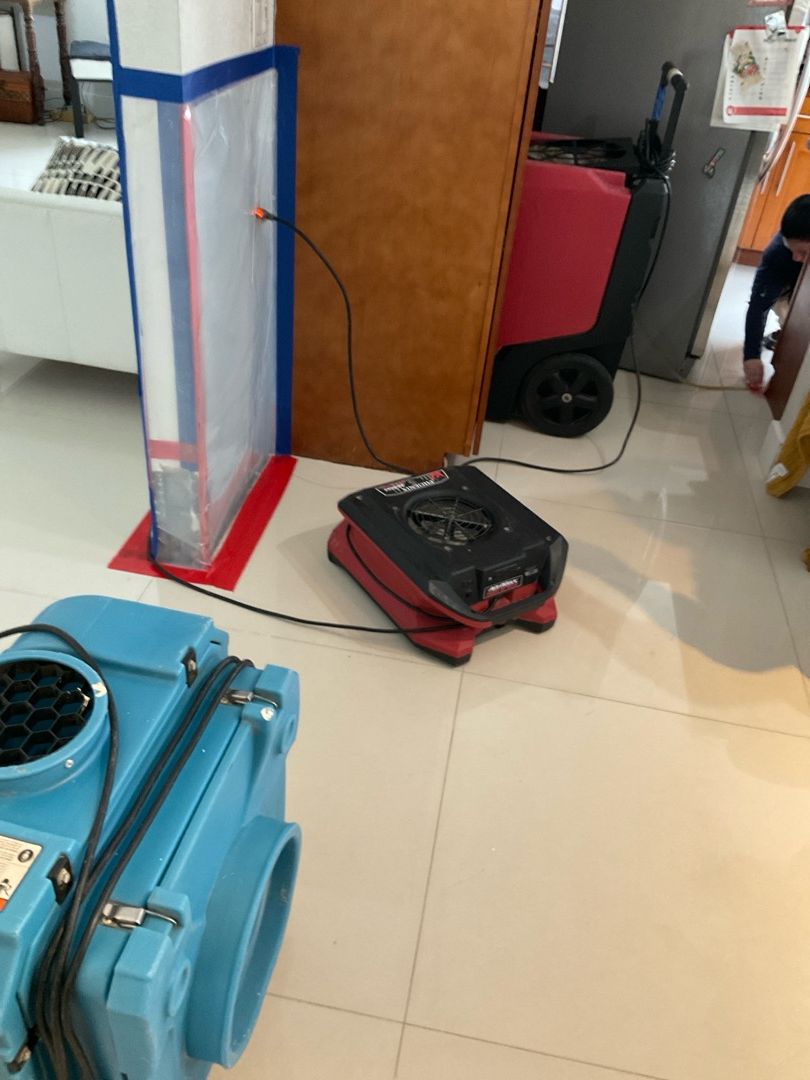
Air movers and dehumidifiers remove moisture from materials and the surrounding air.
4. Monitoring moisture levels
Moisture meters help confirm that drying is complete.
5. Cleaning and restoring affected areas
If needed, damaged materials are repaired or replaced.
Professionals familiar with coastal conditions understand how humidity affects drying times and structural materials. Companies like Tip Top Water and Fire Damage Restoration often approach water removal as part of a broader moisture control strategy to prevent future problems.
When Water Damage Leads to Mold
Mold can begin developing within a short time if moisture remains trapped.
Situations that increase mold risk include:
- Wet drywall or insulation
- Damp carpeting and padding
- Moisture behind cabinets or baseboards
- High indoor humidity after a leak
Thorough drying and proper ventilation are essential to prevent mold growth after water intrusion.
The Role of Air Ducts and HVAC Systems
HVAC systems can be affected by water damage and may also contribute to moisture problems.
Potential issues include:
- Condensation forming on ducts
- Moist insulation around ductwork
- Reduced airflow due to debris or moisture
- Odors circulating through the system
Routine inspection and maintenance of AC systems and ductwork help reduce these risks, especially in humid coastal environments.
Practical Ways to Prevent Future Water Problems
Property owners in Sunny Isles Beach can reduce the risk of water damage by taking preventive steps.
Helpful practices include:
- Scheduling regular plumbing and HVAC inspections
- Cleaning AC condensate lines periodically
- Checking roofs and windows after storms
- Monitoring indoor humidity levels
- Inspecting attics and closets for dampness
- Addressing leaks promptly, even small ones
Early detection and routine maintenance are the most effective ways to prevent costly repairs.
Why Local Experience Matters
Water removal in coastal South Florida requires an understanding of local climate conditions and building practices. Homes in Sunny Isles Beach, Surfside, and Miami Shores experience constant humidity exposure and seasonal storms that affect drying times and structural materials.
Professionals with local experience understand:
- How coastal humidity influences drying
- Where water commonly accumulates in local homes
- How building materials respond to prolonged moisture
- Which ventilation strategies work best in humid climates
This knowledge helps ensure that water removal and drying are thorough and effective.
A Practical Next Step for Property Owners
Water intrusion is common in coastal communities, but serious damage can often be avoided with prompt action. If you notice water stains, damp odors, or visible moisture, having the area inspected early helps prevent long-term structural issues and mold growth.
Working with experienced restoration professionals such as Tip Top Water and Fire Damage Restoration ensures that both visible water and hidden moisture are properly addressed. With routine maintenance and quick response to leaks, property owners in Sunny Isles Beach and nearby coastal communities can keep their homes dry, safe, and well protected.