What Experienced Inspectors Look For: Black Mold Removal Challenges in Bayfront Homes in North Miami
Black mold, or Stachybotrys chartarum, is one of the most concerning types of mold found in residential properties, particularly in North Miami bayfront homes. Coastal humidity, salt air, and exposure to storms create conditions that allow black mold to develop and spread rapidly if left unchecked. At Tip Top Water and Fire Damage Restoration, we have extensive experience in inspecting, testing, and removing black mold in North Miami, North Miami Beach, Sunny Isles Beach, Bal Harbour, Aventura, Miami Shores, Surfside, Biscayne Park, and surrounding bayfront communities. Understanding what experienced inspectors look for—and the unique challenges of black mold removal—is essential for homeowners who want to maintain a safe, healthy property.
What Black Mold Is
Black mold is a type of fungus that thrives in damp, poorly ventilated environments. It often appears as dark green or black patches on surfaces, but its presence is not always visible. Unlike common household mold, black mold is particularly resilient and can colonize hidden areas such as:
- Wall cavities and behind drywall
- Under flooring or carpets
- Inside HVAC ductwork and AC drip pans
- Crawl spaces, attics, and basements
While mold is a natural part of the environment, black mold in homes requires careful attention because prolonged exposure to high moisture levels allows it to spread quickly and affect structural materials.
Why Bayfront Homes Are Especially Susceptible
Bayfront homes in North Miami face unique environmental conditions that encourage black mold growth:
- High Humidity – Coastal humidity often exceeds 70%, providing an ideal environment for fungal proliferation.
- Salt-Laden Air – Salt accelerates corrosion of AC units and metal components, leading to leaks and moisture accumulation.
- Stormwater Intrusion – Tropical storms, hurricanes, and high tides can introduce water into walls, floors, and basements.
- Older Construction – Many bayfront homes have aging plumbing, roofing, or insulation that allows hidden water buildup.
- Slab Foundations and Poor Ventilation – Crawl spaces, attics, and wall cavities may trap moisture, creating hidden colonies of mold.
These conditions make routine inspections and early detection essential for property owners.
Common Signs of Black Mold
Experienced inspectors look for both visible and subtle indicators of black mold in homes:
- Dark green or black patches on walls, ceilings, or floors
- Water stains, peeling paint, or bubbling wallpaper
- Musty or damp odors in rooms or closets
- Mold growth near AC vents, ducts, or drip pans
- Warped wood, soft flooring, or soft drywall in damp areas
Even minor signs may indicate hidden mold behind walls or inside HVAC systems, making professional inspection critical.
Hidden or Overlooked Sources of Black Mold
Black mold often develops in concealed areas that homeowners may overlook:
- Crawl Spaces – High moisture levels from groundwater or poor drainage create ideal conditions for mold colonization.
- Attics – Roof leaks, condensation, or poorly ventilated attics may harbor mold.
- Wall Cavities – Water intrusion through plumbing leaks or exterior walls may result in hidden black mold growth.
- AC Systems and Ductwork – Condensation in ductwork or drip pans can spread spores throughout the home.
- Under Flooring – Water from leaks or condensation under hardwood, laminate, or carpet can promote hidden mold growth.
Detecting these hidden sources requires experience, specialized tools, and knowledge of how mold behaves in coastal homes.
Challenges in Black Mold Removal
Removing black mold in bayfront homes presents several challenges that differentiate it from routine cleaning:
- Hidden Colonies – Black mold often grows in inaccessible areas like wall cavities, attics, and ductwork.
- Moisture Recurrence – Without addressing the underlying moisture source, mold will return quickly.
- Structural Complexity – Older homes or those with slab foundations may complicate access and remediation.
- HVAC Contamination – Duct systems may harbor spores, requiring careful cleaning and disinfection.
- Health and Safety Concerns – Disturbing black mold without protective equipment can spread spores throughout the home.
Because of these challenges, professional remediation is necessary to safely and effectively remove black mold.
What Experienced Inspectors Look For
During an inspection, seasoned professionals focus on several critical aspects:
- Moisture Detection – Identifying leaks, condensation, and areas of high humidity using moisture meters and thermal imaging.
- Extent of Mold Growth – Determining whether black mold is localized or widespread, including hidden areas behind walls or inside ducts.
- Affected Materials – Assessing whether mold has penetrated structural materials such as drywall, insulation, wood, or flooring.
- HVAC System Assessment – Checking for contamination in air ducts, drip pans, and evaporator coils.
- Preventive Measures – Identifying potential ongoing sources of moisture that could cause mold to return.
Thorough inspection allows for a targeted remediation plan that addresses both the visible and hidden threats.
The Black Mold Removal Process
Effective removal of black mold in coastal properties involves several steps:
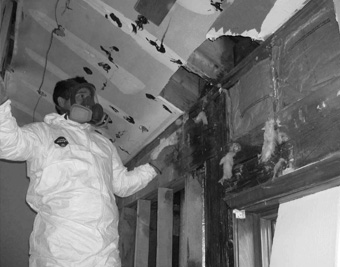
- Containment – Isolating affected areas with plastic barriers and negative air pressure to prevent spores from spreading.
- Protective Measures – Inspectors and remediation teams use protective gear including respirators, gloves, and suits.
- Removal – Cleaning or replacing contaminated materials such as drywall, insulation, carpets, or HVAC components.
- Cleaning and Disinfection – Using EPA-approved solutions to remove residual spores from surfaces and structural components.
- Moisture Control – Fixing leaks, improving drainage, and using dehumidifiers to prevent recurrence.
- Post-Remediation Verification – Conducting air sampling and visual inspection to confirm that mold has been effectively removed.
This process ensures that both the immediate infestation and the underlying causes are addressed.
Real-World Observations from North Miami Bayfront Homes
In our experience, several patterns emerge regarding black mold in coastal properties:
- Attic and Crawl Space Vulnerabilities – Hidden leaks often allow black mold to establish colonies unnoticed.
- AC System Contributions – Condensation, clogged drip pans, or duct leaks frequently lead to microbial growth.
- Stormwater Exposure – Homes affected by tropical storms often show hidden mold even months after flooding.
- Aging Materials – Older bayfront properties may have compromised insulation, flooring, or wall materials that exacerbate mold problems.
These patterns highlight the importance of local expertise and proactive inspection in protecting coastal homes.
Preventing Future Black Mold Growth
Property owners can take preventive steps to minimize the risk of black mold:
- Conduct regular moisture inspections and maintenance on roofing, windows, and plumbing
- Maintain HVAC systems, including drip pans, coils, and ductwork
- Use dehumidifiers and monitor indoor humidity levels
- Ensure proper attic, crawl space, and wall ventilation
- Address minor water intrusion immediately before mold has a chance to grow
Consistent maintenance reduces the risk of costly remediation and protects the home’s structural integrity and indoor air quality.
Why Local Experience Matters
Black mold in North Miami bayfront homes is influenced by environmental factors that differ from inland properties:
- Persistent coastal humidity promotes fungal growth
- Salt-laden air accelerates corrosion in AC and plumbing systems
- Storms increase water intrusion risks
- Older homes often have hidden vulnerabilities that require expert assessment
Local professionals like Tip Top Water and Fire Damage Restoration understand these challenges and provide tailored inspection and remediation solutions for bayfront and coastal homes.
Calm, Trust-Based Call to Action
Black mold in bayfront homes is a serious concern that requires professional assessment, removal, and preventive measures. Experienced inspectors look beyond visible growth, identifying hidden moisture and potential structural risks. Professional remediation ensures that both the mold and its underlying causes are addressed safely and effectively. Tip Top Water and Fire Damage Restoration provides the tools, expertise, and local knowledge necessary to protect North Miami bayfront homes from black mold and maintain a healthy, comfortable living environment.