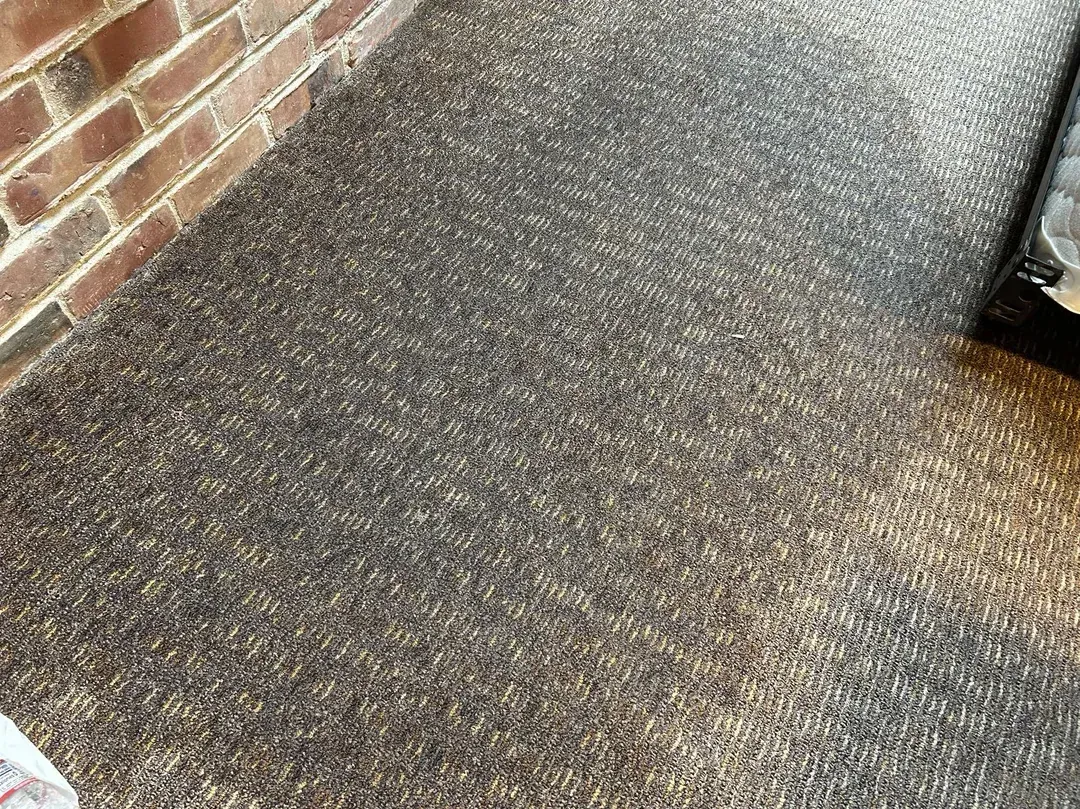
What Happens If the Problem Is Ignored: Carpet Cleaning After Water Damage Challenges in Bal Harbour
In coastal communities like Bal Harbour, water damage is something property owners encounter more often than they expect. A minor plumbing leak, storm-driven rain, or air conditioning condensation can soak carpets and padding in just a few hours. Because the surface may appear dry after a day or two, many homeowners assume the problem has resolved on its own.
Unfortunately, when water-damaged carpets are ignored, the hidden effects continue developing beneath the surface. Odors, mold growth, and structural damage can appear weeks later, often requiring far more extensive repairs than early cleaning would have required. Understanding what really happens when wet carpets are left untreated can help homeowners make faster, more informed decisions.
What Water-Damaged Carpet Really Means
When carpet becomes wet, the moisture rarely stays limited to the top fibers. Water quickly penetrates the padding underneath and may even reach the subfloor. In humid areas like Bal Harbour and Surfside, trapped moisture evaporates slowly, especially in homes with limited airflow.
Even clean water can create problems if it remains trapped. Within a short time, bacteria and mold spores present in the environment begin to multiply in damp materials. Because carpet padding acts like a sponge, it often holds moisture long after the carpet surface feels dry.
Why This Happens So Often in Bal Harbour
Bal Harbour’s coastal climate plays a major role in how water damage affects flooring. High humidity levels reduce evaporation and allow moisture to linger in porous materials much longer than in drier regions.
Common local factors include:
- Frequent storms and heavy rains
- High indoor humidity during summer months
- AC systems that create condensation
- Moisture entering through sliding doors or windows
- Minor plumbing leaks that go unnoticed
Homes in nearby areas such as Sunny Isles Beach, North Miami Beach, and Aventura experience similar conditions, particularly in properties close to the shoreline where salt air and humidity are constant.
Common Signs Homeowners Notice First
When carpet has been affected by water damage, the early warning signs are often subtle. Many property owners initially notice:
- A musty or damp odor
- Slight discoloration in carpet fibers
- Carpet that feels slightly spongy when stepped on
- Increased indoor humidity
- Baseboards showing mild swelling
Because these signs seem minor, it’s common for homeowners to delay professional cleaning, assuming the problem will disappear over time.
Hidden or Overlooked Sources of Moisture
In many Bal Harbour properties, the visible wet carpet is only part of the issue. Moisture often originates from hidden sources that continue feeding the problem.
Some of the most common overlooked sources include:
- AC drain line leaks
- Slow plumbing leaks under sinks or walls
- Roof leaks after storms
- Condensation forming in ducts
- Poorly sealed windows or doors
Unless the source is identified and corrected, even professionally cleaned carpets may become damp again.
What Happens If Carpet Cleaning Is Delayed
Ignoring water-damaged carpet can lead to several complications that become more difficult to correct over time.
Mold Growth
One of the most serious risks is mold growth beneath the carpet and padding. Mold often develops out of sight, making it difficult to detect until odors or staining appear.
Odor Development
Trapped moisture allows bacteria and organic matter to break down, producing persistent musty smells that can spread throughout the home.
Carpet and Padding Deterioration
Padding loses its structure when wet for extended periods, causing carpets to wrinkle, sag, or feel uneven.
Subfloor Damage
Moisture can seep into wood or concrete subfloors, weakening materials and creating long-term structural concerns.
Indoor Air Quality Issues
Even when mold is not visible, microbial growth beneath carpets can affect indoor air quality, especially in homes with central air systems.
Why DIY Cleaning Often Doesn’t Solve the Problem
Many homeowners attempt to dry carpets using fans, towels, or household wet vacuums. While these methods may remove some surface moisture, they rarely address moisture trapped deep within padding or subfloors.
DIY approaches often fall short because:
- Household equipment cannot extract deep moisture
- Drying without dehumidification leaves humidity trapped indoors
- Padding remains wet beneath the surface
- Odors and bacteria remain embedded in fibers
Without proper drying, the carpet may appear clean but continue deteriorating beneath the surface.
Professional Inspection and Moisture Detection
Professional carpet cleaning after water damage begins with identifying the extent of moisture. Technicians use specialized tools to measure moisture levels beneath flooring and inside surrounding materials.
This process typically includes:
- Moisture meter readings
- Inspection of padding and subfloor
- Checking nearby walls and baseboards
- Identifying the source of water intrusion
In many homes across Bal Harbour and Miami Shores, inspections reveal moisture extending farther than expected, especially in rooms with limited ventilation.
Companies familiar with local conditions, such as Tip Top Water and Fire Damage Restoration, often emphasize thorough moisture detection before beginning drying or cleaning, since incomplete drying leads to recurring problems.
The Proper Carpet Cleaning and Drying Process
Professional carpet restoration follows a structured process designed to remove moisture completely and prevent mold growth.
Water Extraction
High-powered extraction equipment removes water from carpet fibers and padding.
Padding Evaluation
In some cases, heavily saturated padding must be removed and replaced to prevent long-term odors.
Structural Drying
Air movers and dehumidifiers are used to dry carpet, subfloor, and surrounding materials.
Cleaning and Sanitizing
Carpet fibers are cleaned using methods designed to remove bacteria and residues left by water exposure.
Final Moisture Monitoring
Moisture levels are monitored until materials reach safe drying standards.
This systematic approach ensures that moisture does not remain trapped where it could cause future damage.
Air Ducts, AC Systems, and Lingering Moisture
Another factor often overlooked is the role of HVAC systems. When carpets remain damp, humidity levels in the home increase, and air conditioning systems may circulate moist air throughout the property.
Over time, this can lead to:
- Condensation in ducts
- Musty odors spreading through vents
- Mold growth in air handlers or ductwork
Routine inspection of HVAC systems is often recommended after significant water damage, particularly in coastal homes.
How to Prevent Carpet Damage in Coastal Homes
Preventing long-term carpet damage in Bal Harbour homes often comes down to early action and routine maintenance.
Helpful steps include:
- Address leaks immediately
- Inspect carpets after storms or flooding
- Maintain AC systems regularly
- Keep indoor humidity controlled
- Schedule periodic moisture inspections
Even small leaks can create long-term damage if ignored, especially in humid environments.
Why Local Experience Matters
Restoration work in coastal communities requires understanding how humidity and building materials interact. Homes in Bal Harbour, North Miami, and Surfside often have different moisture patterns than inland properties.
Professionals familiar with local conditions know where to look for hidden moisture and how to dry materials effectively in humid climates. This experience often prevents recurring problems that appear months after incomplete drying.
A Calm and Practical Next Step
Water-damaged carpet may not seem urgent at first, but delaying cleaning and drying often leads to mold, odors, and structural damage that become far more expensive to correct. Acting early allows problems to be resolved while they are still manageable.
Homeowners who address water damage quickly and ensure proper drying protect not only their flooring but also the overall condition of their property. When professional help is needed, working with experienced local specialists such as Tip Top Water and Fire Damage Restoration can help ensure the problem is handled thoroughly and correctly the first time.