
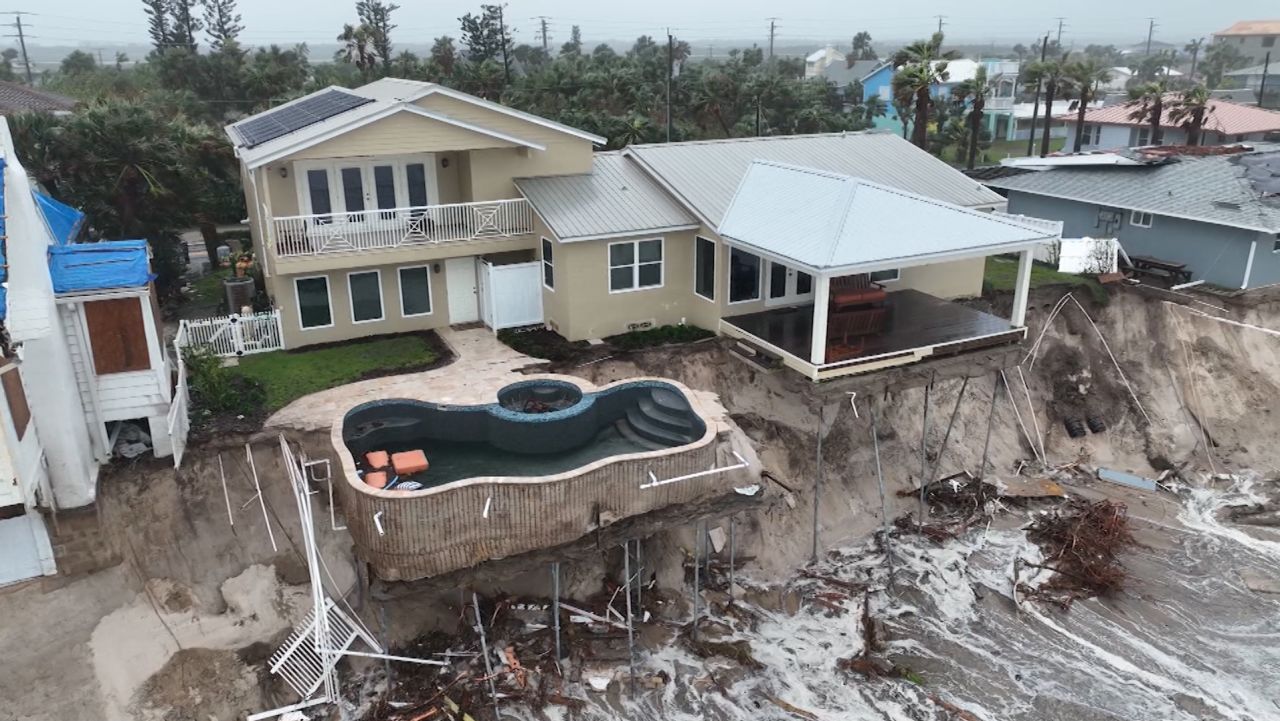
What Homeowners Often Overlook: Flood Restoration Challenges in Sunny Isles Beach
Flooding in Sunny Isles Beach rarely looks dramatic in the beginning.
It might be a few inches of water from a tropical storm. A backed-up balcony drain during heavy rain. A plumbing failure in a high-rise unit above yours. The visible water gets cleaned up quickly, floors are dried, and life moves on.
But in a coastal city like Sunny Isles Beach — surrounded by ocean air, high humidity, and dense multi-story construction — what homeowners often overlook are the hidden flood restoration challenges that develop afterward.
Flood restoration here is not just about removing water. It’s about understanding how coastal conditions change the way moisture behaves.
The Coastal Factor: Why Flooding Is Different Here
Sunny Isles Beach sits directly along the Atlantic.
That means flood events are influenced by:
- Storm surge
- Wind-driven rain
- King tides
- Elevated groundwater levels
- Saltwater exposure
- Year-round humidity
Nearby areas like Aventura, Bal Harbour, and North Miami Beach experience similar environmental pressure, especially in waterfront and high-rise properties.
Flooding in this region isn’t isolated. It interacts with humidity, salt air, and building design in ways that homeowners often underestimate.
Overlooked Challenge #1: Water Travels Farther Than You Think
Homeowners usually focus on the room where water is visible.
In reality, water spreads into:
- Wall cavities
- Ceiling assemblies
- Subflooring
- Concrete slabs
- Cabinet bases
- Adjacent units in high-rises
In slab-on-grade homes common in North Miami and Miami Shores, water can migrate laterally beneath tile before surfacing at baseboards.
In high-rise buildings, water often moves vertically between floors through shared cavities.
If moisture detection isn’t thorough, hidden dampness remains long after visible water disappears.
Overlooked Challenge #2: Slab Moisture After Storms
Many properties in and around Sunny Isles Beach are built on concrete slabs.
After prolonged rain or flooding, moisture may:
- Seep upward from the slab
- Appear along perimeter walls
- Warp flooring
- Loosen tile
Because slab moisture spreads horizontally before becoming visible, homeowners may not connect flooring damage to earlier flood events.
Professional moisture meters are necessary to confirm slab dryness.
Without proper drying, damp slabs contribute to mold growth weeks later.
Overlooked Challenge #3: Humidity Slows Drying
Opening windows after a flood may seem logical — but in South Florida, outdoor air often carries high humidity.
That means:
- Natural drying is slower
- Moisture lingers in materials
- Mold risk increases
Industrial dehumidifiers and structured airflow are essential in coastal climates.
Surface dryness does not equal structural dryness.
Flood restoration must continue until internal moisture readings reach safe levels.
Overlooked Challenge #4: HVAC Contamination
Flooding can impact HVAC systems in subtle ways.
Water intrusion may:
- Saturate duct insulation
- Introduce moisture into air handlers
- Increase humidity inside ductwork
When the AC turns on after a flood, it may circulate damp air or residual odor.
In high-rise buildings, shared ventilation systems complicate the situation further.
Air duct inspection is often necessary after significant water events.
Tip Top Water and Fire Damage Restoration frequently evaluates HVAC systems during flood restoration in Sunny Isles Beach to prevent long-term indoor air quality problems.
Overlooked Challenge #5: Saltwater Corrosion
In waterfront areas, floodwater may contain salt.
Salt accelerates corrosion of:
- Appliances
- Electrical panels
- Light fixtures
- HVAC coils
- Metal framing
Even after drying, salt residue remains on surfaces.
Corrosion issues may appear months after the initial flood.
Thorough cleaning and inspection reduce long-term deterioration.
Overlooked Challenge #6: Mold Growth After Initial Cleanup
In Sunny Isles Beach, mold can begin forming within 48–72 hours if moisture remains.
Even if floors appear dry, dampness may persist inside:
- Drywall
- Insulation
- Behind cabinetry
- Ceiling cavities
Mold risk increases when:
- Humidity remains elevated
- Drying was incomplete
- Slab moisture was not addressed
Musty odor weeks after a flood is often the first warning sign.
Moisture detection helps confirm whether conditions remain favorable for growth.
Overlooked Challenge #7: Balcony and Window Intrusion
Many condos in Sunny Isles Beach feature large balconies and sliding glass doors.
During heavy storms, wind-driven rain may enter through:
- Door thresholds
- Worn seals
- Drainage blockages
Even minor intrusion can introduce water into wall cavities.
Homeowners sometimes assume flooding only occurs at ground level, overlooking elevated entry points.
Post-storm inspections are essential.
The Importance of Moisture Mapping
Effective flood restoration includes detailed moisture mapping.
This involves measuring moisture levels in:
- Drywall
- Wood framing
- Slabs
- Baseboards
- Ceiling assemblies
Without mapping, restoration may stop too early.
Hidden dampness leads to recurring issues long after cleanup appears complete.
Documentation in High-Rise Buildings
In multi-unit buildings, flood restoration often requires coordination between:
- Unit owners
- Building management
- Insurance carriers
Water migration between floors must be documented.
Moisture detection helps determine whether shared structural components are affected.
Proper documentation protects homeowners from future disputes.
Long-Term Prevention Strategies
Flood restoration should always include prevention planning.
Property owners in Sunny Isles Beach can reduce future risk by:
- Maintaining roof and flashing systems
- Inspecting window and door seals
- Cleaning balcony drains
- Servicing HVAC systems regularly
- Monitoring indoor humidity
- Scheduling periodic moisture inspections
In coastal climates, small maintenance lapses often lead to larger problems.
Why Quick Action Matters
Flood damage worsens quickly in humid environments.
Delaying professional drying increases:
- Mold risk
- Structural damage
- Flooring replacement costs
- Air quality problems
Prompt water removal, structural drying, and moisture verification minimize long-term complications.
In high-rise buildings, quick action also reduces impact on neighboring units.
Why Local Coastal Experience Makes a Difference
Flood restoration in Sunny Isles Beach requires understanding:
- Elevated groundwater behavior
- Salt air exposure
- High-rise construction dynamics
- Slab foundation moisture patterns
- Continuous AC operation
Restoration strategies must account for these coastal realities.
What works inland may not fully address the environmental pressures present here.
Tip Top Water and Fire Damage Restoration has handled flood restoration throughout Sunny Isles Beach, Aventura, and nearby coastal communities with methods tailored to South Florida’s climate.
Local knowledge ensures that both visible and hidden damage are addressed.
Looking Beyond the Surface
What homeowners often overlook is that flood damage doesn’t end when water is removed.
In a coastal city like Sunny Isles Beach, humidity, salt, and building design create additional layers of complexity.
Proper flood restoration includes:
- Thorough moisture detection
- Structured drying
- HVAC inspection
- Corrosion prevention
- Mold risk mitigation
By understanding these overlooked challenges and acting quickly, property owners protect both their homes and long-term property value.
In South Florida’s coastal environment, restoration is not just about cleanup — it’s about prevention.