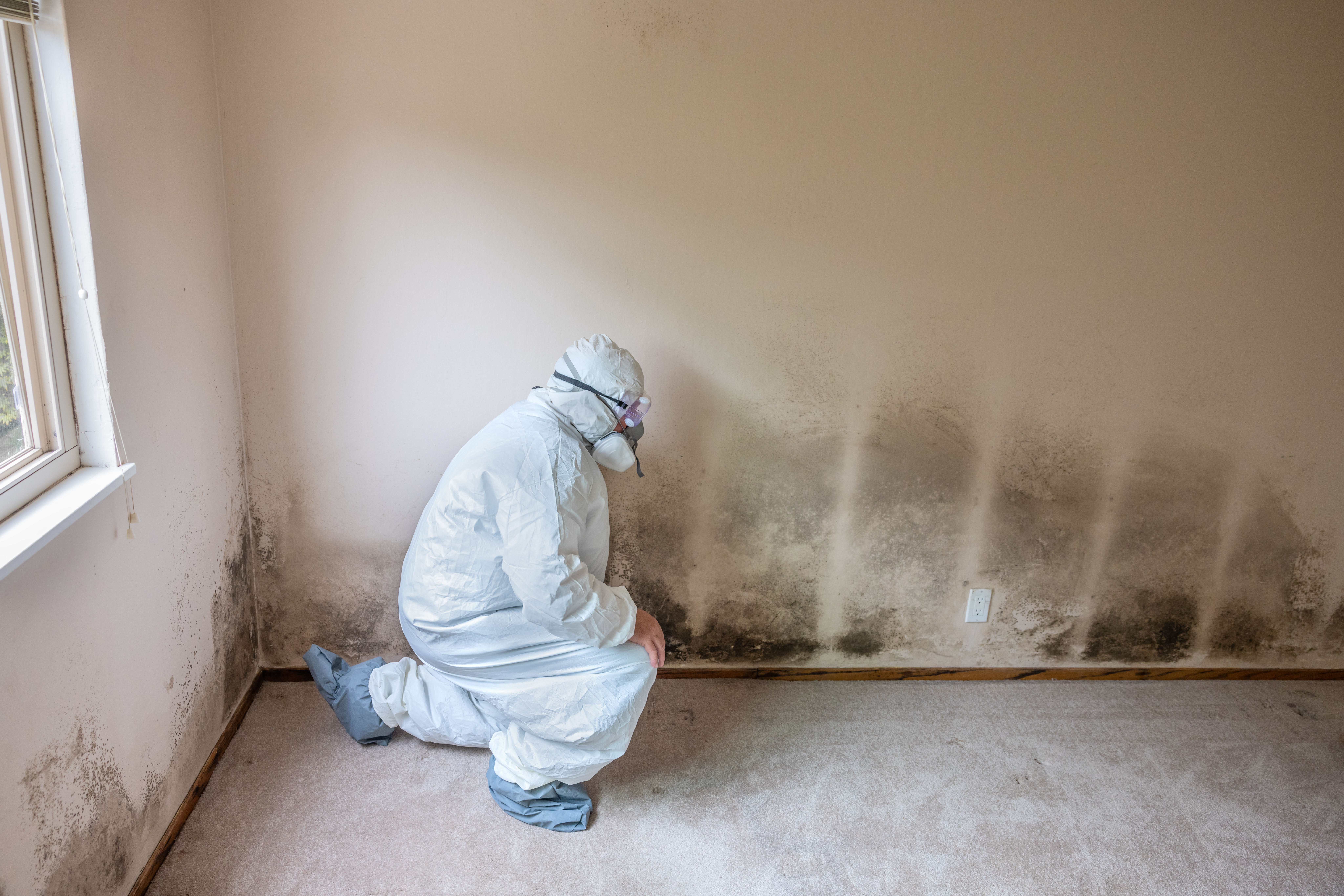
What Really Causes the Need for Black Mold Removal in Bal Harbour
Bal Harbour, a prestigious waterfront community in North Miami, is renowned for its high-rise condos, luxury estates, and oceanfront views. While the coastal setting offers residents unparalleled beauty and lifestyle, it also creates environmental challenges that can affect the health, safety, and structural integrity of homes. One of the most serious and insidious threats in these high-humidity, coastal properties is black mold, also known as Stachybotrys chartarum.
Black mold thrives in warm, damp, and poorly ventilated environments, conditions that are common in Bal Harbour homes due to the area’s tropical climate, high humidity, and frequent rainfall. The need for black mold removal often arises when these conditions intersect with hidden water intrusion, aging construction, and air conditioning system issues. Understanding the root causes behind black mold growth is essential for homeowners, landlords, and property managers seeking long-term protection for their coastal properties.
Understanding Black Mold
Black mold is a dark-colored fungus that grows on organic materials such as wood, drywall, insulation, and carpeting when moisture is present. Unlike superficial mold that can sometimes be cleaned away, black mold can penetrate deeply into building materials, making removal more complicated.
It is particularly concerning in coastal environments because:
- High humidity keeps surfaces damp, accelerating spore germination.
- Salt-laden air can compromise building materials, creating microenvironments for mold colonization.
- Water leaks from AC systems, plumbing, or storms often go unnoticed until significant mold growth occurs.
Because black mold can remain hidden behind walls, under flooring, or inside ductwork, professional testing and remediation are often necessary to identify and eliminate contamination effectively.
Environmental Conditions That Promote Black Mold in Bal Harbour
Several environmental factors unique to Bal Harbour increase the risk of black mold growth:
1. Coastal Humidity
The tropical climate of Bal Harbour maintains consistently high humidity levels, often exceeding 70% during the summer months. Moist air infiltrates homes through windows, doors, and small structural gaps, settling in attics, crawlspaces, and wall cavities. Persistent moisture encourages mold spores to grow on both porous and non-porous surfaces.
2. Salt-Laden Air
Ocean breezes carry salt particles that accelerate corrosion on metal components, HVAC systems, and building materials. Corroded surfaces create small crevices where water can accumulate, providing additional sites for mold colonization.
3. Seasonal Storms
Bal Harbour experiences frequent tropical storms and heavy rainfall, which can lead to minor flooding, roof leaks, and water intrusion. Even small amounts of water seeping into walls, flooring, or insulation can trigger black mold growth within 24–48 hours if left unaddressed.
Building-Related Factors
In addition to environmental conditions, the structural characteristics of Bal Harbour homes contribute to mold risk:
1. Aging Construction Materials
Many coastal homes are decades old, and aging materials such as wood framing, drywall, and insulation can absorb moisture more readily. Over time, even small leaks or condensation can create ideal conditions for mold growth.
2. Poor Ventilation
Sealed windows, limited airflow, and enclosed attics or basements trap humidity, allowing black mold to flourish. Bathrooms, kitchens, and utility rooms without proper ventilation are particularly vulnerable.
3. AC System Condensation
Air conditioning units are essential in Bal Harbour’s hot and humid climate, but they can also contribute to mold growth. Clogged condensate lines, malfunctioning drip pans, or improperly maintained coils can lead to standing water in walls or under floors, creating hidden mold colonies.
4. Hidden Water Intrusion
Small leaks from roofs, windows, plumbing, or appliances often go unnoticed. Water trapped behind drywall, under flooring, or inside cabinetry creates concealed environments where black mold can establish itself before homeowners are aware of any problem.
Human-Related Factors
Activities within homes can also unintentionally contribute to mold growth:
- Neglecting Maintenance: Delaying plumbing repairs, roof inspections, or AC servicing allows small moisture issues to escalate.
- Poor Drainage and Landscaping: Improper grading or clogged gutters can direct water toward foundations or under slabs, increasing indoor moisture.
- Excessive Indoor Moisture: Indoor activities like cooking, showering, and laundry add moisture to the air. Without proper ventilation, this contributes to mold-friendly conditions.
Early Signs of Black Mold
Detecting black mold early is critical to prevent extensive damage. Homeowners should be alert to:
- Discoloration: Black or dark green spots on walls, ceilings, or floors.
- Musty Odors: Persistent earthy or damp smells, particularly near AC vents or plumbing areas.
- Warping or Bubbling: Floors or drywall may become distorted due to trapped moisture.
- Allergy or Respiratory Symptoms: Coughing, sneezing, or irritation indoors may indicate airborne spores.
- Visible Mold in Ductwork or Attics: Black mold may develop in less visible areas, spreading spores throughout the home via HVAC systems.
Even minor indicators should prompt professional inspection to confirm the presence of black mold.
Why Professional Mold Removal Is Essential
Attempting to remove black mold without proper training and equipment is risky:
- Incomplete Removal: Mold may penetrate deep into walls, insulation, or wood framing, leaving spores behind.
- Spore Spread: Improper cleaning can release spores into the air, contaminating other areas.
- Health Risks: Direct exposure to black mold may trigger respiratory or skin irritation.
- Recurring Growth: Without addressing the underlying moisture source, mold will return.
Professional remediation ensures thorough removal, safe containment, and resolution of moisture issues that contribute to black mold growth.
The Professional Black Mold Removal Process
Effective black mold remediation follows a systematic process:
1. Inspection and Assessment
- Identify visible and hidden mold, including areas behind walls, under flooring, and inside ductwork.
- Use moisture meters, infrared cameras, and air quality testing to locate damp areas.
- Determine the root cause of moisture, whether AC condensation, plumbing leaks, or stormwater intrusion.
2. Containment
- Seal off affected areas using plastic barriers and negative air pressure to prevent spore spread.
- Temporarily shut down HVAC systems to limit airborne contamination.
3. Removal of Contaminated Materials
- Remove severely affected drywall, insulation, and carpet.
- Treat structural elements like wood and metal with antimicrobial solutions.
- Clean non-porous surfaces thoroughly to eliminate spores.
4. Drying and Dehumidification
- Use industrial air movers and dehumidifiers to remove moisture from walls, floors, and cavities.
- Continuous monitoring ensures thorough drying, preventing regrowth.
5. Sanitization and Post-Removal Verification
- Apply antimicrobial treatments to prevent mold from returning.
- Conduct follow-up air and surface testing to confirm that mold levels are safe.
Preventive Strategies for Bal Harbour Homes
To reduce the risk of black mold, homeowners should implement proactive measures:
- AC System Maintenance: Clean coils, drip pans, and condensate lines regularly.
- Plumbing Inspections: Check for leaks or signs of water damage frequently.
- Humidity Control: Maintain indoor humidity below 55% with dehumidifiers or HVAC adjustments.
- Roof and Window Upkeep: Seal leaks and maintain flashing and caulking.
- Ventilation Improvements: Use exhaust fans in kitchens and bathrooms to reduce indoor moisture.
- Regular Moisture Monitoring: Professional inspections can detect hidden water before mold develops.
Challenges Specific to Coastal Bal Harbour Homes
Several factors make black mold removal in Bal Harbour more complex:
- High Humidity and Salt Air: These conditions accelerate mold growth and damage building materials.
- Luxury Finishes: Hardwood floors, imported tiles, and custom cabinetry require careful handling during remediation.
- High-Rise Condos and Waterfront Estates: Complex layouts and limited access to crawl spaces or ducts demand specialized expertise.
Addressing these challenges requires local knowledge, professional equipment, and precise techniques.
The Role of Local Expertise
Professionals familiar with Bal Harbour’s coastal environment understand:
- How humidity and salt air impact building materials and AC systems
- Where mold commonly hides in high-rise and waterfront properties
- The most effective removal techniques and preventive strategies
- How to ensure indoor air quality and structural integrity post-remediation
Tip Top Water and Fire Damage Restoration leverages this local expertise to provide effective black mold testing, removal, and prevention services tailored to Bal Harbour homes.
Long-Term Benefits of Professional Black Mold Removal
Investing in professional black mold remediation provides:
- Improved Indoor Air Quality: Reduces allergens and airborne spores.
- Structural Protection: Prevents further damage to walls, flooring, and wood framing.
- Peace of Mind: Confirms that homes are safe and free from hidden contamination.
- Cost Savings: Prevents expensive repairs from recurring mold growth.
- Verification: Post-remediation testing ensures effectiveness and durability.
For Bal Harbour homeowners, professional black mold removal is not just a reactive measure but a proactive investment in property value, safety, and comfort.
Conclusion
Black mold growth in Bal Harbour is primarily caused by the intersection of coastal humidity, salt-laden air, water intrusion, AC condensation, and aging building materials. These conditions create environments where mold can thrive, often hidden from view until significant contamination has occurred.
Professional mold removal addresses both visible and hidden black mold, ensures containment to prevent spore spread, treats affected materials, and resolves the underlying moisture issues that cause recurrence. Preventive strategies like regular AC maintenance, plumbing inspections, humidity control, and ventilation improvements further protect homes from future growth.
By understanding what drives black mold development and relying on local expertise, Bal Harbour residents can safeguard their properties, preserve indoor air quality, and maintain the health, safety, and value of their coastal homes.