
What Really Causes the Need for Carpet Cleaning After Water Damage in Coastal Neighborhoods Near Biscayne Bay
Carpet cleaning after water damage is a common necessity for homeowners in coastal neighborhoods near Biscayne Bay. While many people assume carpets can simply be dried and reused, water intrusion often leaves behind moisture, contaminants, and odors that require proper cleaning to prevent long-term problems. In humid coastal climates, carpets absorb moisture quickly and dry slowly, making thorough cleaning and drying essential.
Understanding what actually causes the need for carpet cleaning helps property owners take the right steps after water damage and avoid lingering issues that can affect both the home and indoor air quality.
How Water Affects Carpet and Padding
Carpets are made of fibers designed to trap dirt and dust. When water enters a home, those same fibers also trap moisture, debris, and sometimes contaminants. Beneath the carpet, padding acts like a sponge, absorbing water quickly and holding it for extended periods.
Even when the surface feels dry, padding and subflooring may still contain moisture. This trapped moisture can cause odors, discoloration, and deterioration if not properly addressed.
In coastal environments, the drying process takes longer because humidity slows evaporation, making professional cleaning more important.
Why Water Damage Happens Frequently Near Biscayne Bay
Homes near Biscayne Bay are exposed to environmental conditions that increase the risk of water intrusion. Heavy rainstorms, wind-driven rain, and occasional storm surge can allow water to enter through doors, windows, or exterior walls.
Plumbing leaks are another common cause. A leaking appliance or pipe may saturate carpet before the problem is discovered. Air conditioning systems can also contribute when drain lines clog or condensation accumulates.
High humidity is a constant factor in coastal neighborhoods. Moisture in the air reduces the effectiveness of natural drying, allowing carpets to remain damp longer than expected.
Signs That Carpet Cleaning Is Necessary
After water damage, some signs clearly indicate that carpets require professional cleaning. These include musty odors, dampness that persists after drying attempts, and visible staining or discoloration.
Other warning signs may include:
- Carpet fibers that feel stiff or matted
- Increased humidity in affected rooms
- Dark or uneven patches in carpet
- Persistent odors that return after cleaning
These symptoms often indicate moisture or contaminants trapped in carpet padding or subflooring.
Hidden Contamination in Wet Carpets
One of the main reasons carpet cleaning is necessary after water damage is contamination. Floodwater or leak water often carries dirt, bacteria, and debris into carpet fibers. Even clean water from plumbing leaks can become contaminated after soaking through building materials.
If carpets are not properly cleaned and sanitized, odors may persist and bacteria may continue to grow in damp padding. In humid climates, these conditions can quickly lead to mold growth beneath the carpet surface.
Because contamination is not always visible, professional cleaning helps ensure that carpets are safe and fully restored.
Why Drying Alone Is Not Enough
Some homeowners attempt to dry carpets using fans or household dehumidifiers. While these methods may remove surface moisture, they often fail to dry padding and subfloors completely.
Moisture trapped beneath carpets can remain for days or even weeks. This lingering dampness causes odors and may weaken flooring materials over time.
Professional carpet cleaning includes water extraction and deep drying, ensuring moisture is removed from all layers.
The Professional Carpet Cleaning and Drying Process
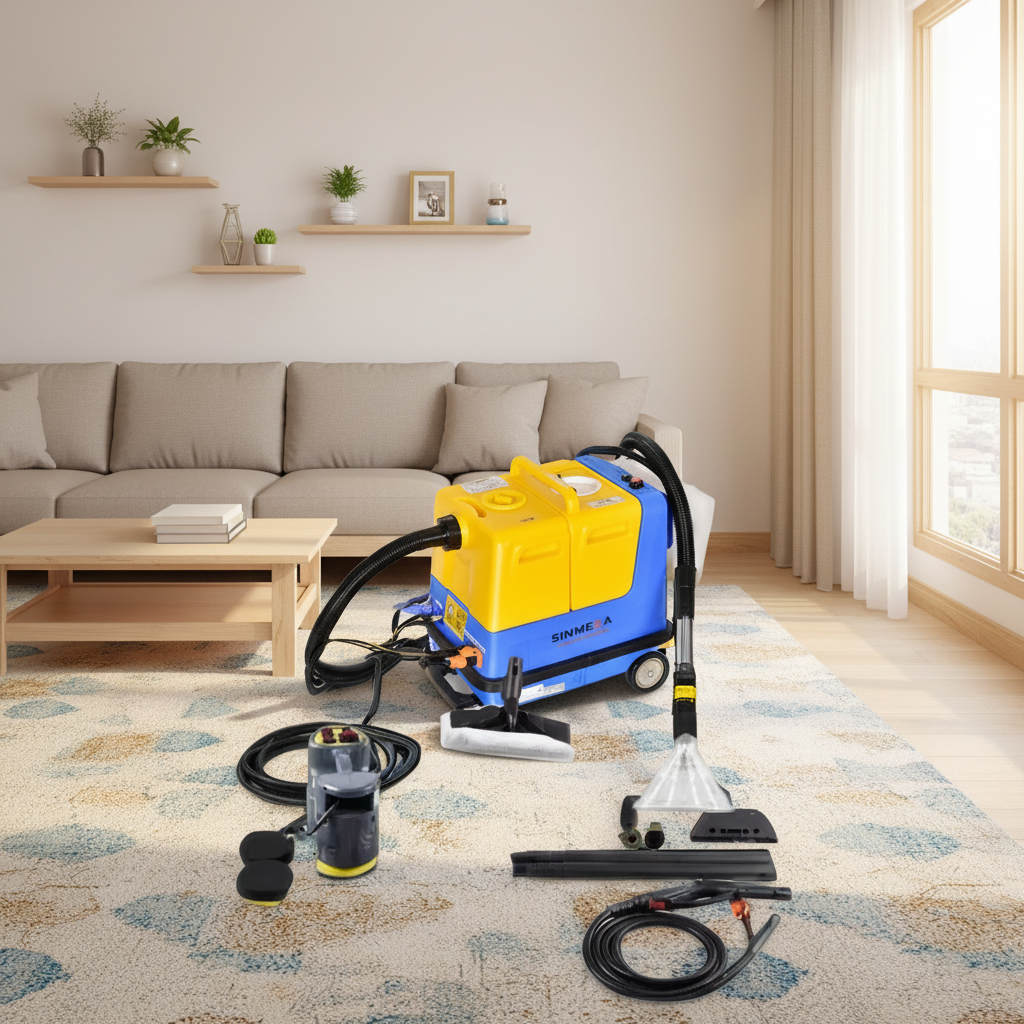
A proper restoration process usually begins with water extraction. High-powered equipment removes as much moisture as possible from carpet fibers and padding. After extraction, air movers and dehumidifiers are placed to accelerate drying.
Cleaning solutions designed for water-damaged carpets are then used to remove contaminants and odors. In some cases, severely saturated padding may need to be replaced to ensure proper drying.
Technicians monitor moisture levels to confirm that carpets and subfloors have dried completely before the process is finished.
Companies like Tip Top Water and Fire Damage Restoration often emphasize thorough drying and sanitation because incomplete cleaning is one of the most common causes of recurring odors and mold problems.
Mold Risks in Damp Carpets
Mold growth is one of the biggest concerns after water damage. Carpets provide an ideal environment for mold because fibers trap moisture and organic material. In warm, humid climates like South Florida, mold can begin developing quickly when carpets remain damp.
Mold often grows beneath the surface, making it difficult to detect until odors or visible spots appear. Proper cleaning and drying significantly reduce this risk and help protect indoor air quality.
Preventing mold is one of the main reasons prompt carpet cleaning is essential.
The Role of HVAC Systems in Carpet Drying
Air conditioning systems play an important role in controlling humidity during the drying process. However, if ducts or air handlers contain moisture, humid air may circulate throughout the home, slowing drying and increasing the risk of odors.
During restoration projects, technicians often evaluate HVAC systems to ensure airflow and humidity levels are appropriate for drying carpets and other materials.
Maintaining clean ducts and proper ventilation helps speed drying and prevent recurring moisture problems.
Preventing Future Carpet Damage
Preventive maintenance helps reduce the likelihood of carpet damage in coastal homes. Property owners can protect carpets by addressing plumbing leaks quickly, maintaining roofs and windows, and ensuring air conditioning systems function properly.
Using dehumidifiers during periods of high humidity also helps maintain dry indoor conditions. Regular inspections after storms help identify small leaks before they saturate flooring.
Prompt action is the most effective way to prevent water damage from affecting carpets and subfloors.
Why Local Experience Matters
Carpet cleaning after water damage in coastal neighborhoods requires knowledge of local climate conditions and building practices. Homes near Biscayne Bay face challenges related to humidity, salt air exposure, and frequent storms.
Professionals familiar with North Miami, Miami Shores, and Sunny Isles Beach understand how moisture behaves in carpet and flooring materials in humid environments. Local experience allows technicians to recommend the most effective drying and cleaning methods.
Tip Top Water and Fire Damage Restoration has handled many restoration projects in these communities, where proper carpet cleaning prevented mold growth and extended the life of flooring materials.
A Practical Approach to Protecting Your Home
Carpet cleaning after water damage is not just about appearance. It is an essential step in preventing odors, mold growth, and long-term structural damage. Removing moisture thoroughly and cleaning contaminated fibers helps restore a healthy indoor environment.
For homeowners in coastal neighborhoods near Biscayne Bay, recognizing the causes of carpet damage and acting quickly after water intrusion helps protect both comfort and property value. With proper cleaning, drying, and preventive maintenance, carpets can remain clean, dry, and durable even in South Florida’s challenging climate.