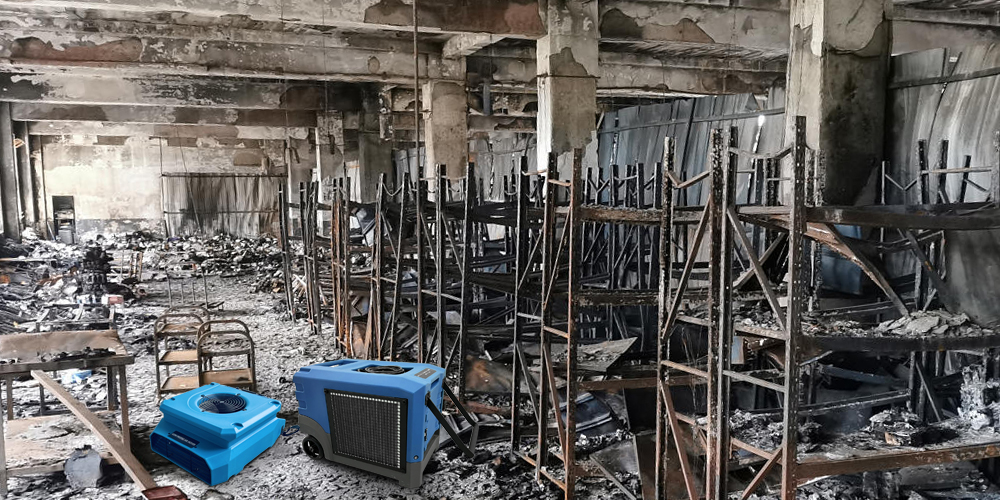
What Really Causes the Need for Fire Damage Restoration in North Miami Beach
Fire damage is one of the most disruptive events a property owner can face. In North Miami Beach, fires are not always large or dramatic; many restoration projects begin after smaller incidents that still leave behind smoke damage, water intrusion, and structural concerns. Even a limited kitchen fire or electrical issue can require professional restoration to fully return a property to safe, livable condition.
Understanding what really causes the need for fire damage restoration helps homeowners, landlords, and property managers respond quickly and prevent long-term problems.
What Fire Damage Actually Includes
Fire damage involves much more than burned materials. In most cases, the effects of smoke, soot, and water used to extinguish the fire cause just as much damage as the flames themselves.
Fire-related damage often includes:
- Smoke residue on walls, ceilings, and fixtures
- Odors absorbed into carpets and insulation
- Moisture from firefighting efforts
- Damage to electrical systems
- Corrosion of metal surfaces
In coastal environments like North Miami Beach, high humidity and salt in the air can worsen these effects, allowing soot and moisture to settle deeper into building materials.
Electrical Problems and Overloaded Circuits
One of the most common causes of residential fires in this area is electrical malfunction. Many properties, particularly older homes and condominiums, have wiring systems that were not designed for modern electrical loads.
Common issues include:
- Overloaded outlets
- Aging circuit breakers
- Faulty wiring behind walls
- Damaged appliances
When electrical fires occur, smoke often spreads through ceilings and ventilation systems, requiring professional cleanup even if flames were limited to a small area.
Kitchen Fires and Cooking Incidents
Cooking-related fires remain a leading cause of residential fire damage. Oil, grease, and unattended cookware can ignite quickly, and even a small flare-up can fill a home with smoke.
In North Miami Beach condominiums, smoke from a kitchen fire may spread through hallways or ventilation systems, affecting nearby rooms and sometimes neighboring units. This widespread contamination often makes restoration necessary even when the fire itself was contained quickly.
Air Conditioning and Mechanical Equipment Failures
Air conditioning systems operate almost year-round in South Florida. Over time, components such as motors, wiring, or capacitors can overheat or fail, sometimes leading to electrical fires.
HVAC closets are especially vulnerable because they often contain electrical components in confined spaces. When fires start in these areas, smoke travels easily through ducts, spreading soot and odors throughout the property.
This is one reason restoration professionals frequently inspect duct systems after a fire.
Storms, Power Surges, and Coastal Conditions
Storm activity in coastal areas can contribute to fire risks in several ways.
Lightning strikes, sudden power surges, and damaged electrical lines can ignite appliances or wiring. After storms, temporary generators and extension cords are sometimes used improperly, increasing the risk of overheating or short circuits.
Salt air also plays a role over time. Corrosion can weaken electrical connections, creating conditions that increase the likelihood of sparks or overheating.
Smoking Materials and Open Flames
Another cause of residential fires involves smoking materials, candles, or decorative lighting. These sources may seem minor but can ignite fabrics, carpets, or furniture quickly.
Even small fires from candles or smoking materials can produce heavy smoke that penetrates walls, insulation, and ductwork. In many cases, smoke damage restoration becomes necessary even when structural damage is limited.
Common Signs That Restoration Is Needed
After a fire, some damage is obvious, but other signs appear gradually.
Property owners often notice:
- Persistent smoky odors
- Discoloration on ceilings or walls
- Residue near vents or light fixtures
- Warping of wood or laminate surfaces
- Rust forming on metal fixtures
Smoke particles are extremely fine and can settle in areas far from the original fire, which is why restoration usually involves more than simple surface cleaning.
Hidden Damage That Often Goes Undetected
Fire damage frequently affects areas that are not visible during a basic inspection.
Attics may contain soot that traveled through ventilation systems. Insulation can absorb smoke odors and moisture. Wall cavities sometimes trap humidity from firefighting efforts, creating conditions for mold growth later.
Carpet padding and subflooring are also common locations for hidden moisture. Without proper drying, these materials can deteriorate over time.
Why DIY Cleanup Is Usually Not Enough
After minor fires, some homeowners attempt to clean affected areas themselves. While basic cleaning may remove surface residue, it rarely addresses deeper contamination.
Soot is acidic and can permanently stain or damage materials if not treated properly. Household cleaning products often spread soot rather than removing it.
Odor removal is another challenge. Smoke odors bond with porous materials and require specialized equipment and techniques to eliminate completely.
Professional Inspection and Restoration Process
Fire damage restoration begins with a detailed inspection to determine the full extent of damage.
This typically includes:
- Assessing structural materials
- Measuring moisture levels
- Inspecting HVAC systems and ducts
- Identifying hidden soot contamination
Moisture detection tools and air filtration equipment are often used to restore indoor air quality and prevent secondary damage.
Companies such as Tip Top Water and Fire Damage Restoration regularly perform these inspections in North Miami Beach and surrounding communities, where coastal conditions can complicate drying and cleanup.
Water Damage After Firefighting Efforts
One of the most overlooked causes of restoration needs is water damage from extinguishing the fire.
Firefighting efforts can leave behind:
- Saturated drywall and insulation
- Wet flooring and baseboards
- Moisture trapped in wall cavities
If drying is not performed quickly, mold growth can begin within days, particularly in warm and humid climates like South Florida.
Water removal and structural drying are essential steps in preventing further damage after a fire.
Air Ducts and Smoke Contamination
Air ducts often become contaminated during fires because smoke travels through ventilation systems. When this happens, soot particles can circulate throughout the property each time the AC runs.
Professional duct cleaning is often recommended to remove residue and restore indoor air quality. Properties in nearby areas such as Sunny Isles Beach, Aventura, and Miami Shores frequently require this step after fire incidents.
Preventing Fire Damage in North Miami Beach Homes
While not all fires can be prevented, certain maintenance practices reduce risk significantly.
Helpful steps include:
- Regular electrical inspections
- Maintaining appliances and HVAC systems
- Avoiding overloaded outlets
- Cleaning dryer vents and exhaust systems
- Checking wiring after storms or flooding
Moisture control is also important. Damp environments can accelerate corrosion in electrical components, increasing fire risk over time.
Why Local Experience Matters
Fire damage restoration in coastal South Florida requires knowledge of local construction methods, humidity levels, and environmental conditions.
Professionals familiar with North Miami Beach understand how to dry structures effectively in humid conditions, prevent mold growth, and address corrosion risks caused by salt air.
Tip Top Water and Fire Damage Restoration has experience working in North Miami Beach, Biscayne Park, Surfside, and nearby communities, where fire and water damage often occur together.
Local expertise helps ensure that restoration addresses both visible damage and underlying issues.
A Practical Approach to Recovery
Fire damage can feel overwhelming, but restoration is a step-by-step process designed to return properties to safe condition as efficiently as possible.
Early inspection, thorough cleaning, and proper drying are the most important steps in preventing long-term problems. For property owners in North Miami Beach, understanding the causes of fire damage—and acting quickly when it occurs—can make the recovery process far smoother.
Fires may start unexpectedly, but with careful restoration and preventive maintenance, properties can be restored and protected for the future.