
What Really Causes the Need for Moisture Detection in Bal Harbour
Moisture problems are one of the most common but least visible maintenance issues affecting homes and condos in Bal Harbour. Because properties in this coastal community are constantly exposed to humidity, storms, and moisture-heavy air, water intrusion often occurs in ways homeowners do not immediately notice. By the time damage becomes visible, repairs can already be expensive and disruptive.
Moisture detection has become an essential part of property maintenance in Bal Harbour and nearby communities like Sunny Isles Beach, Surfside, North Miami, and Miami Shores. Detecting hidden moisture early helps prevent mold growth, structural damage, and long-term indoor air quality problems.
Understanding what actually causes the need for professional moisture detection allows homeowners and property managers to prevent future property issues rather than simply reacting when damage appears.
What Moisture Detection Really Means
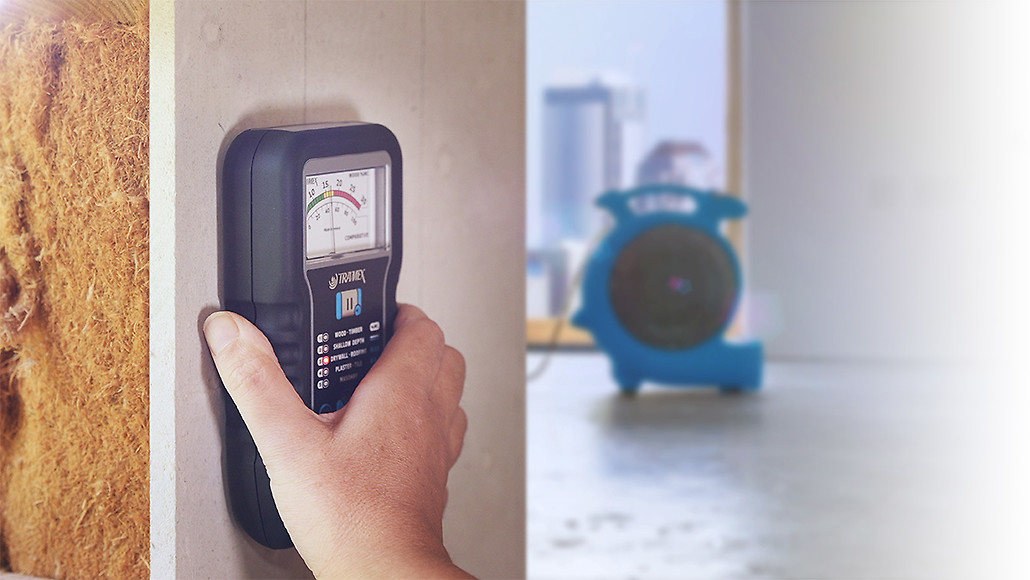
Moisture detection involves identifying hidden water or dampness inside building materials that cannot be seen with the naked eye. Even when surfaces appear dry, moisture may remain trapped inside walls, ceilings, flooring, or insulation.
Professional moisture detection helps locate:
• Hidden leaks inside walls
• Moisture trapped under flooring
• Damp insulation and structural materials
• Roof or ceiling water intrusion
• Moisture beneath carpets or tile
• AC system condensation problems
Detecting moisture early prevents further damage and reduces the risk of expensive repairs later.
Why Moisture Problems Are So Common in Bal Harbour
Bal Harbour’s coastal environment creates ideal conditions for moisture issues. Even well-maintained properties experience moisture challenges due to environmental exposure.
Common contributing factors include:
• High year-round humidity levels
• Frequent coastal rainstorms and tropical weather
• Storm surge and flooding risks
• Aging plumbing in older buildings
• AC condensation problems
• Salt air exposure accelerating building wear
• Poor ventilation in sealed modern homes
Because humidity remains consistently high, moisture evaporates slowly. This allows dampness to linger in hidden areas, causing damage long before residents notice visible signs.
Homes along Biscayne Bay and nearby coastal neighborhoods experience these challenges more frequently due to constant exposure to ocean moisture.
Signs Homeowners Usually Notice First
Moisture problems rarely appear suddenly. Instead, they slowly reveal themselves through subtle warning signs.
Common signs include:
• Musty or damp odors indoors
• Water stains appearing on ceilings or walls
• Paint bubbling or peeling
• Warped or soft flooring areas
• Mold spots near vents or baseboards
• Increased indoor humidity
• Recurring condensation on windows
These signs often indicate hidden moisture within building materials.
Hidden Sources That Lead to Moisture Problems
In many Bal Harbour homes, moisture problems begin in areas homeowners rarely inspect.
Hidden sources often include:
• Small pipe leaks behind walls
• Roof leaks after storms
• AC drain line clogs or overflow
• Window or door seal failures
• Moisture buildup in attics or crawl spaces
• Appliance hose leaks
• Shower or plumbing seepage
Because these areas are concealed, moisture damage can continue for months before becoming noticeable.
Professional moisture detection helps locate these hidden issues before repairs become extensive.
Why DIY Moisture Checks Often Miss the Problem
Homeowners sometimes try to detect moisture themselves by looking for visible leaks or feeling damp surfaces. Unfortunately, this approach often misses deeper problems.
DIY moisture checks usually fail because:
• Moisture remains hidden inside walls
• Flooring can appear dry while subfloors stay wet
• Insulation traps water without visible signs
• Mold grows out of sight
• Surface dryness hides deeper saturation
Professional equipment can detect moisture where visual inspections cannot.
Professional Moisture Inspection and Testing Explained
A professional moisture detection inspection uses specialized equipment designed to locate hidden dampness inside structures.
Inspection methods often include:
• Moisture meters measuring material saturation
• Thermal imaging cameras identifying temperature differences
• Inspection of flooring and wall cavities
• Checking attic and crawl space humidity
• HVAC system moisture evaluation
These tools allow professionals to pinpoint moisture sources without unnecessary demolition.
Proper testing ensures repairs target the real problem rather than temporary symptoms.
Proper Moisture Detection and Restoration Process
Once moisture is detected, restoration professionals follow a structured process to prevent long-term damage.
Typical steps include:
- Identifying and stopping the moisture source
- Removing standing water when present
- Installing structural drying equipment
- Monitoring moisture levels during drying
- Removing materials that cannot be saved
- Repairing damaged surfaces
- Final verification that materials are fully dry
Companies experienced with coastal properties, including Tip Top Water and Fire Damage Restoration, understand how humidity in Bal Harbour affects drying and restoration timelines.
How Flooding and Storms Create Hidden Moisture Problems
Bal Harbour properties occasionally experience flooding or storm-related water intrusion. Even minor flooding events can cause moisture to travel into hidden structural areas.
Storm-related moisture problems often include:
• Wet insulation inside walls
• Moisture trapped beneath tile or wood floors
• Damp cabinetry and structural framing
• Hidden mold growth after flooding
• Odor development due to trapped moisture
Without professional moisture detection, these problems often go unnoticed until mold or structural damage becomes severe.
Air Conditioning Systems and Moisture Issues
Air conditioning systems are necessary in South Florida but also contribute to moisture problems when not properly maintained.
Common AC-related moisture causes include:
• Condensation drain line blockages
• Leaking air handlers
• Dirty coils creating excess moisture
• Poor humidity regulation inside homes
Moisture from AC systems often spreads through walls or ceilings, making detection difficult without professional equipment.
Regular AC maintenance helps reduce these risks.
How Property Owners Can Prevent Moisture Problems
Preventive maintenance significantly reduces the need for major moisture repairs.
Helpful prevention steps include:
• Inspecting plumbing and appliances regularly
• Maintaining AC systems and drain lines
• Monitoring indoor humidity levels
• Checking roofs after storms
• Sealing windows and doors properly
• Ensuring proper ventilation
• Acting quickly when leaks occur
Routine inspections help detect moisture problems early before structural damage develops.
Why Local Experience Matters in Moisture Detection
Moisture detection in coastal communities requires understanding how local conditions affect buildings.
Professionals familiar with Bal Harbour properties understand:
• How coastal humidity impacts drying
• Building styles common in waterfront communities
• Flood risks in certain neighborhoods
• Moisture patterns in high-rise condos
• Restoration procedures following storms
Local experience allows restoration professionals to address moisture problems more effectively.
Taking Smart Steps to Prevent Long-Term Damage
Moisture problems do not resolve on their own. Detecting hidden moisture early helps prevent mold growth, structural damage, and recurring indoor air quality concerns.
Homeowners and property managers throughout Bal Harbour, North Miami, Sunny Isles Beach, Surfside, Biscayne Park, and nearby communities benefit from proactive inspections and early moisture detection.
Tip Top Water and Fire Damage Restoration has assisted many local property owners in identifying hidden moisture problems and restoring properties before damage spreads.
By acting early and ensuring proper detection and restoration, property owners protect both their living spaces and long-term property value while avoiding costly repairs caused by hidden moisture issues common in coastal South Florida homes.