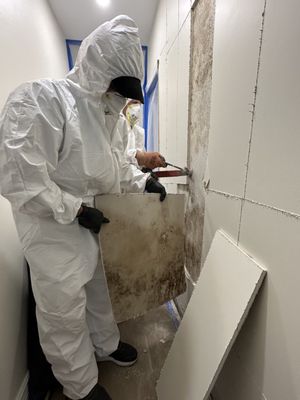
What Really Causes the Need for Mold Inspection in Coastal Neighborhoods Near Biscayne Bay
Coastal neighborhoods near Biscayne Bay offer some of South Florida’s most desirable residential properties. From waterfront homes to high-rise condos, the scenic views and proximity to the water make these communities highly sought-after. However, the same coastal environment that makes them appealing also creates conditions that can lead to mold growth. Property owners, landlords, and property managers must understand what drives the need for mold inspection and how timely intervention can protect both property value and occupant health.
High humidity, salt-laden air, frequent rainstorms, and occasional flooding create an environment where mold can thrive. In neighborhoods near Biscayne Bay, including North Miami, North Miami Beach, Sunny Isles Beach, Bal Harbour, Aventura, Miami Shores, Surfside, and Biscayne Park, mold can develop rapidly, often in hidden areas such as crawl spaces, attics, HVAC systems, and behind walls. Understanding the root causes of mold growth is essential for preventing damage and maintaining safe living conditions.
Understanding Mold in Coastal Homes
Mold is a fungus that reproduces via microscopic spores, which are present naturally in the air. While most spores are harmless in small quantities, mold becomes a problem when they encounter moisture and organic materials, such as wood, drywall, or carpet. The coastal environment near Biscayne Bay amplifies these conditions due to:
- High Humidity: Relative humidity often exceeds 70%, providing moisture for spores to germinate.
- Frequent Rainfall and Storms: Heavy rains, hurricanes, and tropical storms can lead to water intrusion in homes.
- Flooding and Water Intrusion: Low-lying coastal properties are susceptible to storm surges, plumbing leaks, and groundwater seepage.
- Air Conditioning Condensation: AC systems generate moisture that can accumulate in ducts, drip pans, or poorly ventilated areas.
- Salt Air Exposure: Salt-laden air accelerates corrosion and can create microenvironments that retain moisture.
These factors combine to make mold inspection a critical part of routine home maintenance in coastal areas.
Why Mold Becomes a Problem in Coastal Neighborhoods
Mold in coastal homes is not just a cosmetic issue—it can affect indoor air quality, structural integrity, and long-term property value. The main drivers that create the need for mold inspection include:
1. Persistent Moisture
Even minor leaks or condensation events can create damp conditions that allow mold to grow. Moisture may accumulate in areas like behind walls, under flooring, or within ceiling cavities, making it invisible to casual observation.
2. Warm Temperatures
South Florida’s warm climate accelerates mold growth. Combined with high humidity, a small amount of moisture can result in mold colonization within 24–48 hours.
3. Structural Vulnerabilities
Older homes, slab foundations, or high-rise condos may have cracks, poorly sealed windows, or aging roofing systems that allow water to enter. Attics, crawl spaces, and basements are especially vulnerable.
4. HVAC Systems
Air conditioning systems can inadvertently contribute to mold growth. Moisture in drip pans, clogged condensate lines, or poorly maintained ductwork can become breeding grounds for spores that circulate throughout the home.
5. Human Activity
Tenant behavior, household routines, and usage patterns can increase indoor moisture. Frequent showers, cooking, laundry, and delayed reporting of leaks all contribute to conditions favorable for mold.
Common Sources of Mold in Biscayne Bay Homes
Understanding where mold typically develops helps property owners anticipate potential issues:
- Bathrooms and Kitchens: Frequent water use, poor ventilation, and leaks under sinks or around appliances can lead to growth.
- Attics and Crawl Spaces: Roof leaks, insulation issues, or slab moisture can result in hidden mold.
- Walls and Ceilings: Condensation or water penetration from plumbing or exterior walls can lead to mold behind surfaces.
- HVAC Systems and Ductwork: Duct contamination can spread spores throughout the home, exacerbating the problem.
- Soft Materials: Carpets, rugs, and upholstery absorb moisture and provide a fertile environment for mold colonization.
Early identification of these areas through professional inspection reduces the risk of extensive damage.
Signs That Mold May Be Present
Property owners should be vigilant for indicators of mold, even when it is hidden:
- Musty or earthy odors in rooms, closets, or near HVAC vents
- Discoloration or staining on walls, ceilings, or baseboards
- Warping, bubbling, or cracking of drywall or wood flooring
- Visible black, green, or gray patches
- Tenant or occupant complaints of allergy-like symptoms or respiratory discomfort
Detecting mold early allows for targeted remediation before it spreads and causes structural or health concerns.
The Importance of Professional Mold Inspection
Professional mold inspection is essential because DIY assessments often fail to identify hidden mold or determine its severity. Key benefits of professional inspection include:
- Accurate Detection: Technicians use moisture meters, thermal imaging, and air quality testing to locate hidden mold.
- Identification of Mold Types: Laboratory analysis helps determine the species of mold and potential health risks.
- Targeted Remediation Planning: Inspection results guide remediation teams to focus on contaminated areas efficiently.
- Documentation for Compliance: Professional reports provide evidence of proactive maintenance, which can be important for landlords, insurance claims, or property sales.
Professional inspections ensure that mold is properly assessed and addressed, protecting both the property and occupants.
The Mold Inspection Process
A thorough mold inspection in coastal homes typically includes:
- Visual Assessment
Technicians identify visible mold, water stains, condensation, and areas with potential moisture accumulation. - Sampling
- Air Sampling: Measures airborne spores to evaluate indoor air quality.
- Surface Sampling: Collects samples from visible mold or suspected contaminated surfaces.
- Bulk Sampling: Analyzes materials like drywall or insulation for embedded mold.
- Moisture Mapping: Detects damp areas that may harbor hidden mold.
- Laboratory Analysis
Samples are analyzed to determine species, concentration, and potential risks. - Reporting and Recommendations
A detailed report outlines findings, identifies affected areas, and provides recommendations for remediation and preventive measures.
Preventing Mold in Coastal Properties
After inspection and remediation, property owners should implement preventive measures:
- Prompt Water Damage Response: Address leaks, flooding, or AC condensation immediately.
- Humidity Control: Maintain indoor humidity below 60% using dehumidifiers and AC systems.
- Ventilation: Ensure bathrooms, kitchens, attics, and crawl spaces have proper airflow.
- HVAC Maintenance: Clean ducts, drip pans, and filters regularly.
- Seal Vulnerable Areas: Windows, exterior walls, and roofs should be inspected and sealed against moisture intrusion.
- Regular Inspections: Periodic checks for moisture or visible mold help identify issues early.
Implementing these practices reduces the likelihood of mold recurrence and maintains safe indoor environments.
Real-World Observations in Biscayne Bay Communities
Experience in Biscayne Bay coastal neighborhoods shows several patterns:
- Mold often develops in hidden areas behind walls, under flooring, or in HVAC systems.
- Even minor water exposure can lead to rapid mold growth due to high humidity and warm temperatures.
- Multi-unit buildings may experience mold spread through shared ventilation or plumbing systems.
- Properties that undergo regular professional inspection experience fewer recurring mold issues and maintain higher property value.
These observations reinforce the importance of regular professional mold inspections in coastal communities.
The Importance of Local Expertise
Mold behavior in coastal Florida is influenced by high humidity, salt exposure, and local building materials. Restoration professionals familiar with the region provide:
- Accurate identification of high-risk areas and hidden mold
- Tailored remediation strategies for high-rise condos, single-family homes, and multi-unit buildings
- Preventive measures that address the unique challenges of coastal environments
Tip Top Water and Fire Damage Restoration has extensive experience serving North Miami, Aventura, Sunny Isles Beach, Bal Harbour, Miami Shores, Surfside, Biscayne Park, and surrounding neighborhoods. Their expertise ensures effective mold inspection, accurate assessments, and long-term protection for coastal properties.
Moving Forward After Mold Inspection
Mold inspection is an essential part of responsible property management and maintenance in coastal areas. Property owners should:
- Conduct inspections promptly after water events or as routine preventive maintenance
- Engage professional remediation teams for identified issues
- Implement moisture control, ventilation, and humidity reduction strategies
- Monitor indoor air quality and structural conditions over time
By prioritizing mold inspection, property owners near Biscayne Bay can safeguard their homes, protect occupant health, and maintain long-term property value in a challenging coastal environment.