What Really Causes the Need for Mold Inspection in Surfside
Surfside, along with nearby communities such as Bal Harbour, Sunny Isles Beach, North Miami Beach, North Miami, Aventura, Miami Shores, and Biscayne Park, is a desirable coastal area known for its waterfront properties, luxury condos, and unique blend of modern and historic architecture. Living near the ocean offers spectacular views and lifestyle perks, but it also brings environmental challenges that can increase the risk of mold growth in homes and high-rise buildings.
Mold inspection is an essential service for homeowners, landlords, and property managers in Surfside. It allows for the early detection of hidden moisture issues, ensures proper remediation, and protects property value, indoor air quality, and structural integrity. Understanding the real causes of mold problems in the area helps property owners take proactive steps to reduce risks.
Understanding Mold and Its Growth Conditions
Mold is a type of fungus that grows in damp, humid environments. In coastal regions like Surfside, certain conditions make mold particularly prevalent:
- High humidity: Surfside experiences elevated humidity levels year-round, often exceeding 70%, which creates ideal conditions for moisture accumulation.
- Water intrusion: Leaks from roofs, windows, plumbing systems, and HVAC units introduce water into areas that are not intended to be wet.
- Poor ventilation: Bathrooms, kitchens, attics, and crawl spaces without adequate airflow allow moisture to persist.
- Organic materials: Wood, drywall, insulation, carpeting, and ceiling tiles provide nutrients for mold when they remain damp.
Mold can appear visibly on walls, ceilings, and floors, or it can remain hidden behind baseboards, inside wall cavities, under flooring, and within HVAC ducts. Early inspection is critical because mold often spreads before it is noticed, especially in humid coastal homes.
Common Sources of Mold in Surfside Homes
Several environmental and structural factors specific to Surfside make mold inspections necessary:
1. Coastal Humidity and Salt Air
Homes near the ocean are exposed to salt-laden air that can settle on surfaces, trapping moisture and accelerating corrosion. High humidity combined with these factors encourages mold growth behind walls, ceilings, and under flooring.
2. Heavy Seasonal Rainfall
Surfside receives frequent tropical downpours and occasional storms. Even minor leaks from roofs, windows, and sliding doors can allow water to seep into hidden areas. Over time, this leads to damp conditions that are ideal for mold colonization.
3. Aging Building Materials
Many homes and condos in Surfside were constructed decades ago. Older materials, such as untreated wood, drywall, and insulation, are more likely to absorb water and harbor mold. Aging seals around windows, doors, and balconies can also fail, increasing the risk of moisture intrusion.
4. Plumbing and Appliance Leaks
Leaking pipes, washing machines, dishwashers, and water heaters are common sources of hidden water in homes. Even slow leaks can saturate flooring, walls, and subfloors over time, creating conditions that promote mold growth.
5. HVAC and Duct Systems
Air conditioning units and ductwork contribute to moisture accumulation if condensate lines are blocked or if systems are improperly maintained. Moisture inside ducts can facilitate mold growth that spreads spores throughout the home.
6. Poor Ventilation in Confined Spaces
Bathrooms, kitchens, attics, crawl spaces, and laundry rooms often lack adequate ventilation. Trapped humidity in these areas leads to moisture buildup on walls, ceilings, and structural components, making them prime spots for mold.
Signs That Mold Inspection Is Needed
Recognizing early warning signs can help homeowners schedule mold inspections before problems become widespread:
- Musty odors: A persistent earthy or damp smell can indicate hidden mold.
- Discoloration or staining: Dark green, black, or gray patches on walls, ceilings, floors, or baseboards.
- Warped or sagging materials: Drywall, flooring, or ceilings that warp or sag due to moisture exposure.
- Increased allergy or respiratory symptoms: Sneezing, coughing, or congestion triggered indoors may signal mold spores.
- Visible water damage: Water stains, peeling paint, or bubbled wallpaper are often accompanied by mold.
Even minor or hidden signs warrant professional inspection, as mold spreads quickly in humid, coastal environments.
Hidden Risks Homeowners Often Overlook
Mold can grow in areas that are difficult to detect without professional tools:
- Inside wall cavities: Water trapped behind drywall often goes unnoticed until mold growth is extensive.
- Under flooring: Moisture beneath hardwood, laminate, tile, or carpeting provides an ideal environment for hidden mold.
- Attics and crawl spaces: Roof leaks, condensation, and poor ventilation can create hidden damp zones.
- HVAC systems and ductwork: Mold inside ducts spreads spores throughout living spaces.
- Behind baseboards and cabinets: Water accumulation from leaks or condensation can lead to concealed mold growth.
Professional mold inspection tools, such as moisture meters and thermal imaging, help detect these hidden risks before structural or air quality problems escalate.
Why DIY Mold Detection Often Fails
While homeowners may attempt to identify mold themselves, DIY methods are often insufficient:
- Hidden mold remains undetected: Mold behind walls, under flooring, or inside ducts is invisible without specialized equipment.
- Inaccurate assessment: Visual inspection alone cannot identify moisture content or potential microbial contamination.
- Risk of spreading spores: Disturbing mold without containment can release spores into the air, worsening the problem.
- Incomplete remediation: Without professional evaluation, underlying water or humidity issues may remain, causing mold to return.
Professional inspections ensure that both visible and hidden mold are identified and addressed, reducing long-term risk.
Professional Mold Inspection Process
In Surfside, professional mold inspection typically involves:
- Visual assessment: Examine all areas for visible mold, water stains, and moisture indicators.
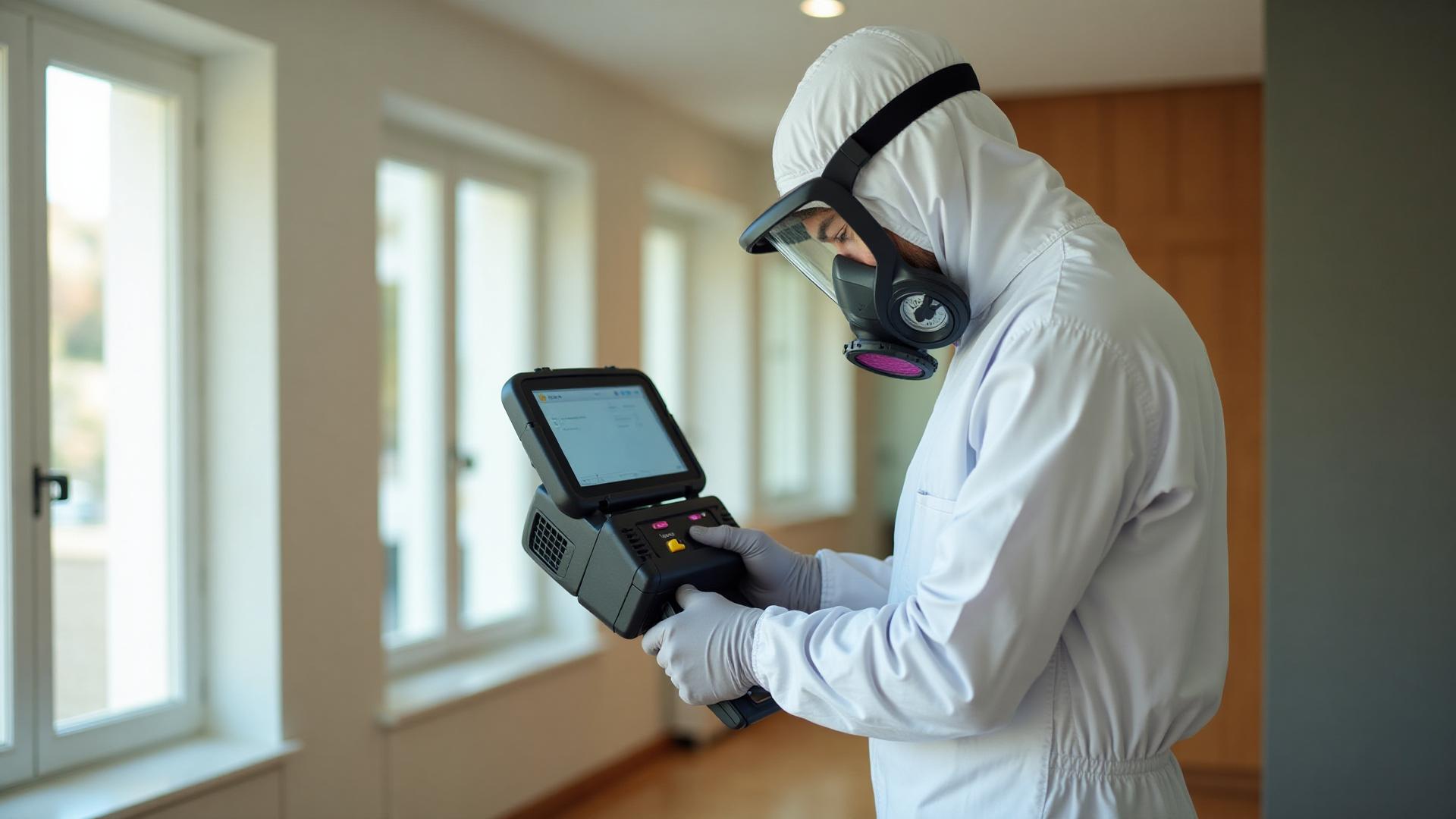
- Moisture detection: Use moisture meters, thermal imaging, and probes to identify hidden dampness in walls, floors, and ceilings.
- Air sampling and surface testing: Collect samples to determine the type and concentration of mold spores.
- Identifying sources: Locate leaks, condensation, or other moisture problems that contribute to mold growth.
- Report and recommendations: Provide a detailed report outlining findings, risks, and recommended remediation or preventive measures.
This thorough approach ensures that homeowners are aware of both current mold problems and potential future risks.
Long-Term Preventive Measures
After inspection, homeowners can implement several strategies to prevent mold growth:
- Regular roof and balcony maintenance: Repair leaks, cracks, or compromised seals.
- Plumbing inspections: Check for leaks in pipes, appliances, and water fixtures.
- AC and HVAC maintenance: Clean ducts, check condensate lines, and maintain units regularly.
- Control indoor humidity: Use dehumidifiers and ensure proper ventilation, maintaining levels between 30–50%.
- Proper ventilation in confined spaces: Install exhaust fans or vents in bathrooms, kitchens, and attics.
- Routine mold inspections: Schedule professional inspections periodically, particularly after heavy rains or storm events.
These measures help protect property value, indoor air quality, and structural integrity in coastal environments.
Why Local Expertise Matters
Surfside’s coastal conditions present unique challenges:
- High humidity and salt air accelerate mold growth and material deterioration.
- Heavy rainfall and tropical storms increase water intrusion risks.
- High-rise condos and waterfront properties require specialized inspection techniques.
- Hidden moisture in walls, floors, and ductwork demands professional tools and experience.
Tip Top Water and Fire Damage Restoration provides mold inspection, moisture detection, and preventive services specifically for Surfside and nearby neighborhoods including Bal Harbour, Sunny Isles Beach, North Miami Beach, North Miami, Aventura, Miami Shores, and Biscayne Park. Local expertise ensures that inspections are accurate, comprehensive, and tailored to the specific environmental conditions of coastal properties.
Calm, Trust-Based Call to Action
Mold growth in Surfside homes can compromise indoor air quality, structural integrity, and long-term property value. Early detection through professional mold inspection is essential to prevent hidden problems from escalating. By combining expert visual assessment, moisture detection, air sampling, and targeted preventive strategies such as plumbing maintenance, AC system care, and humidity control, homeowners and property managers can protect their coastal properties from mold risks. Local professionals provide precise, reliable solutions designed to meet the unique challenges of living in South Florida’s coastal environment.