
What Really Causes the Need for Mold Remediation in Surfside
Surfside’s beautiful oceanfront setting makes it one of the most desirable places to live in South Florida. However, coastal living also brings persistent moisture challenges that many homeowners underestimate. Warm temperatures, salt air, and high humidity create ideal conditions for mold growth, especially when moisture problems go unnoticed inside homes and condominiums.
Many property owners are surprised to learn that mold problems rarely begin with major flooding or dramatic leaks. In Surfside homes, mold often develops quietly due to small moisture issues that grow over time. Understanding what truly causes mold remediation needs helps homeowners prevent serious damage and maintain healthy indoor living conditions.
Understanding How Mold Develops Indoors
Mold spores exist naturally in both indoor and outdoor environments. They become a problem when they land on damp surfaces and begin growing. Inside homes, mold feeds on organic materials such as drywall, wood, insulation, carpeting, and even dust accumulation.
When moisture remains trapped in building materials, mold colonies can begin forming within 24 to 48 hours. Over time, mold spreads into hidden spaces behind walls, under floors, and inside ceilings.
By the time homeowners notice visible mold or strong odors, contamination may already be widespread.
Why Mold Problems Are So Common in Surfside
Surfside’s coastal environment creates perfect conditions for mold development. Properties located close to the ocean constantly experience humidity and salt-laden air entering homes through doors, windows, and ventilation systems.
Several local factors increase mold risk:
• High humidity levels throughout the year
• Frequent heavy rain and tropical storms
• Flooding risks during storm surges
• Older building waterproofing failures
• AC systems running continuously
• Condensation buildup in walls and ducts
• Seasonal homes left closed for long periods
Even newer condominiums can experience moisture problems when ventilation systems or drainage systems are not properly maintained.
Hidden Moisture Sources That Lead to Mold
Many mold problems start in areas homeowners rarely inspect. Moisture can enter homes through small leaks or condensation and remain hidden for months.
Common hidden moisture sources include:
• Air conditioning condensation leaks
• Roof leaks after storms
• Plumbing leaks inside walls
• Bathroom moisture trapped behind tile
• Window or balcony water intrusion
• Flooding from neighboring condo units
• Poor attic or crawl space ventilation
Because these problems are often invisible, mold growth continues unnoticed until damage becomes visible.
Early Signs Mold May Be Developing
Mold problems usually show warning signs before becoming severe. Recognizing these signs helps homeowners take action before remediation becomes extensive.
Common warning indicators include:
• Persistent musty or damp odors
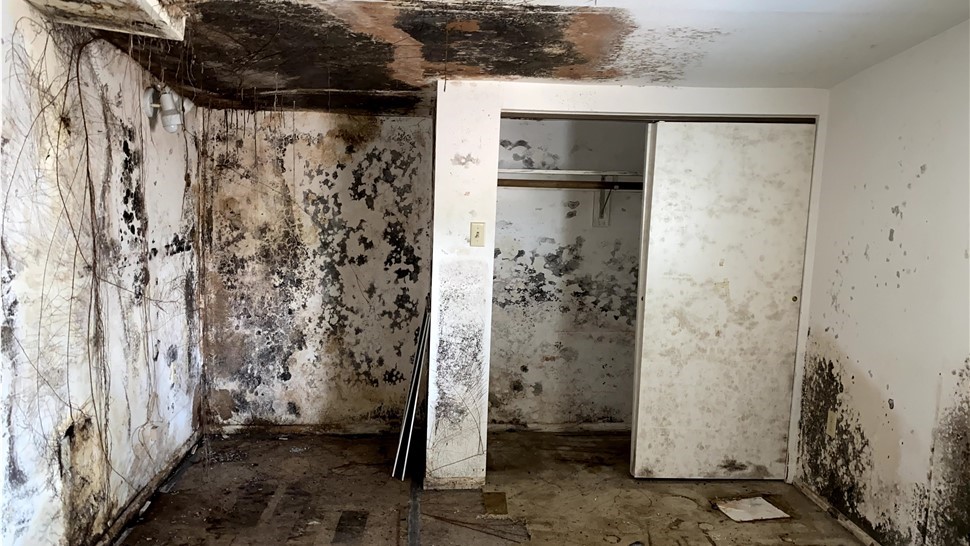
• Dark spots on walls or ceilings
• Peeling paint or bubbling drywall
• Warped flooring or soft drywall
• Mold appearing near vents or baseboards
• Increased allergy-like symptoms indoors
• Excess humidity inside the home
These symptoms often indicate hidden moisture behind surfaces.
Why Mold Keeps Returning Without Proper Remediation
Many homeowners attempt to clean mold themselves using household cleaners or paint over stained areas. While this improves appearance temporarily, mold usually returns because the underlying moisture source remains.
DIY mold removal often fails because:
• Hidden mold behind walls remains untreated
• Moisture sources are not repaired
• Mold roots remain in porous materials
• Spores spread during improper cleaning
• Surfaces are not fully dried
Without professional remediation, mold contamination typically spreads further.
The Role of Air Conditioning Systems in Mold Growth
Air conditioning systems play a major role in Surfside homes, but they can also contribute to mold problems when not properly maintained.
Condensation forms as AC units remove humidity from indoor air. When drain lines clog or insulation fails, condensation leaks into walls, ceilings, or duct systems.
Moisture inside ductwork allows mold to grow and spread spores throughout the home. Signs of duct-related mold include musty odors and mold growth around vents.
Regular AC maintenance helps prevent these issues.
How Professional Mold Inspection Identifies Problems
Professional mold inspections aim to identify both mold contamination and the moisture source causing it. Inspectors use specialized tools to locate hidden problems.
Inspection methods typically include:
• Moisture meter testing of walls and floors
• Thermal imaging to locate damp areas
• Inspection of HVAC systems and ductwork
• Attic and crawl space inspections
• Air or surface testing when needed
By identifying moisture sources, inspectors help ensure remediation solves the root cause rather than providing temporary fixes.
Companies like Tip Top Water and Fire Damage Restoration often perform inspections in Surfside homes, helping homeowners understand the extent of mold problems and necessary next steps.
What Proper Mold Remediation Involves
Mold remediation is more than surface cleaning. The process focuses on removing contamination safely while preventing mold from spreading.
A professional remediation process often includes:
• Containment of affected areas
• Air filtration to prevent cross-contamination
• Removal of contaminated materials when needed
• Cleaning and treating salvageable surfaces
• Structural drying and moisture control
• Post-remediation verification testing
Addressing moisture sources ensures mold does not return.
Flooding and Storm Damage Increase Mold Risks
Surfside properties occasionally experience flooding or water intrusion during storms. Even minor flooding can leave moisture trapped in flooring, insulation, and walls.
Without immediate drying, mold begins growing quickly. Flood restoration typically includes water extraction, dehumidification, and structural drying to prevent mold formation.
Fast response significantly reduces long-term damage.
Preventing Mold Problems in Surfside Homes
Although humidity cannot be eliminated in coastal areas, homeowners can take steps to reduce mold risks.
Helpful prevention measures include:
• Keeping indoor humidity below 60 percent
• Servicing AC systems annually
• Fixing leaks immediately
• Ventilating bathrooms and kitchens properly
• Using dehumidifiers when needed
• Inspecting windows and balconies regularly
• Checking roofs before storm season
Routine maintenance prevents moisture from accumulating in hidden spaces.
Why Local Experience Matters in Mold Remediation
Coastal homes face different moisture challenges compared to inland properties. Professionals familiar with Surfside understand how humidity, salt air, and building construction influence mold growth.
Local restoration specialists recognize common moisture patterns and provide solutions suited to coastal living conditions.
Tip Top Water and Fire Damage Restoration regularly assists Surfside residents by addressing mold problems specific to South Florida’s environment while minimizing disruption to homeowners.
Acting Early Prevents Larger Restoration Costs
Mold rarely disappears on its own. Small moisture issues often grow into major contamination problems if ignored. Homeowners who respond early to warning signs avoid expensive structural repairs and improve indoor air quality.
Professional inspection and remediation ensure mold is properly removed and moisture sources are corrected. Acting quickly helps Surfside homeowners maintain safe, comfortable homes despite the challenges of coastal humidity.