What Really Causes the Need for Smoke Damage Cleanup in Coastal Neighborhoods Near Biscayne Bay
Smoke damage is often misunderstood by homeowners. Many people assume smoke cleanup is only necessary after large structural fires, but in coastal neighborhoods near Biscayne Bay, even small kitchen fires, electrical issues, or localized incidents can leave behind serious contamination.
In areas like North Miami, Biscayne Park, Miami Shores, and Surfside, smoke damage behaves differently because humidity, salt air, and ventilation systems allow soot and odor particles to travel farther and settle deeper into building materials. Understanding what really causes the need for smoke damage cleanup helps property owners respond quickly and avoid long-term problems.
What Smoke Damage Really Is
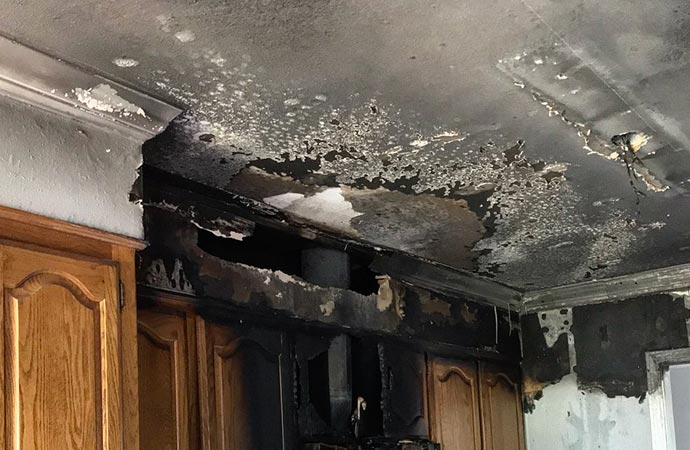
Smoke damage is not just visible soot on walls or ceilings. Smoke contains microscopic particles made of carbon, oils, and residues that cling to surfaces. These particles settle into:
- Drywall
- Carpets and upholstery
- Air ducts
- Ceiling cavities
- Insulation
- Wood framing
In humid coastal environments, these residues can bond more tightly to surfaces, making them harder to remove without proper cleaning methods.
Why This Happens So Often Near Biscayne Bay
Coastal neighborhoods near Biscayne Bay face conditions that make smoke damage more persistent than in inland areas.
Key factors include:
- High humidity that traps odor particles in materials
- Salt air that accelerates corrosion and residue buildup
- Closed-window living due to air conditioning
- Shared ventilation systems in some buildings
- Dense residential areas where smoke can travel between structures
In places like North Miami Beach and Aventura, even a small indoor fire can leave lingering odors for weeks if smoke cleanup isn’t done properly.
Humidity plays a major role. Moist air causes soot particles to stick to walls, ceilings, and duct interiors rather than drying and dispersing.
Common Signs Homeowners Notice
After a minor fire or smoke incident, property owners often notice warning signs such as:
- A persistent smoky odor
- Yellow or gray film on walls or ceilings
- Discoloration near vents or light fixtures
- Lingering odor in closets or cabinets
- Staining around air vents
These signs may seem minor at first, but they often indicate that smoke particles have spread further than expected.
Hidden or Overlooked Sources of Smoke Residue
One reason smoke damage cleanup becomes necessary is that residue travels into areas homeowners don’t normally see.
Common hidden locations include:
- Inside HVAC ducts
- Behind electrical outlet covers
- Attic spaces
- Inside wall cavities
- Under carpets and padding
In coastal homes near Biscayne Bay, attic spaces are particularly vulnerable because warm humid air causes smoke residue to settle into insulation and roof decking.
Another overlooked issue is that air conditioning systems can circulate smoke particles throughout the entire home, even if the fire was confined to one room.
Why DIY Smoke Cleanup Usually Fails
Many homeowners try to clean smoke damage using household cleaners or repainting surfaces. While this may temporarily improve appearance, odors often return.
That’s because:
- Smoke particles penetrate porous materials
- Odor molecules remain embedded in surfaces
- Residue inside ducts continues circulating
Painting over soot without proper cleaning can even trap odors beneath the surface, allowing them to reappear later.
Professional cleanup focuses on removing residue, neutralizing odors, and cleaning hidden areas that standard cleaning methods miss.
Professional Smoke Damage Inspection and Evaluation
A proper inspection is the first step in determining how far smoke has spread.
Typical inspection steps include:
- Evaluating soot patterns on surfaces
- Checking HVAC systems and ductwork
- Inspecting attic and ceiling cavities
- Assessing carpets and porous materials
- Identifying areas requiring deep cleaning or material removal
In coastal neighborhoods, inspections often reveal that smoke residue has traveled further than visible staining suggests.
Proper Smoke Damage Cleanup Process
Effective smoke damage cleanup involves more than surface wiping. A structured process ensures the problem is fully addressed.
Typical steps include:
- Removing loose soot and debris
- Cleaning surfaces using specialized methods
- Treating affected materials to neutralize odor
- Cleaning HVAC ducts when necessary
- Drying and ventilating the property
- Verifying that odors have been eliminated
This process helps prevent odors from returning and protects surfaces from long-term staining.
Water Damage Often Follows Fire Incidents
Another reason smoke cleanup becomes necessary is that firefighting efforts often introduce water into the structure. Even small fires can lead to water damage from extinguishing methods.
Water combined with soot creates a residue that penetrates deeper into materials, making cleanup more complex.
In North Miami and nearby coastal communities, rapid drying and water removal are essential after fire incidents to prevent mold growth and structural deterioration.
Air Ducts, Ventilation, and Smoke Spread
Air ducts are one of the most common pathways for smoke contamination. Once smoke enters a duct system, it can spread throughout the entire home.
Signs that ducts may be affected include:
- Smoke odor when the AC runs
- Residue around vents
- Odor concentrated in certain rooms
Cleaning ducts after smoke exposure helps prevent odors from returning and improves indoor air quality.
How Property Owners Can Prevent Long-Term Smoke Damage
While fires cannot always be prevented, steps can be taken to reduce the long-term effects of smoke damage.
Practical measures include:
- Addressing smoke damage immediately
- Cleaning HVAC systems after any smoke incident
- Inspecting attics and hidden spaces
- Replacing heavily contaminated materials when necessary
- Maintaining proper ventilation
Quick action significantly reduces restoration costs and prevents odor from becoming permanent.
Why Local Experience Matters
Smoke damage behaves differently in coastal environments. Humidity, salt air, and constant AC use all influence how smoke particles settle and persist.
Professionals familiar with North Miami, Biscayne Park, Surfside, and nearby Biscayne Bay communities understand these local conditions and know where smoke residue is most likely to accumulate.
Tip Top Water and Fire Damage Restoration has handled smoke damage cases throughout North Miami Beach and surrounding coastal neighborhoods, where humidity and ventilation systems often allow smoke to spread farther than expected.
A Calm, Practical Approach After Smoke Damage
Smoke damage can be frustrating, especially when odors linger after a small fire. The most important step is responding early and addressing both visible residue and hidden contamination.
Thorough cleaning, proper inspection, and attention to HVAC systems help ensure smoke damage does not become a long-term problem. In coastal areas near Biscayne Bay, understanding how humidity and airflow affect smoke behavior makes a major difference in protecting homes and preventing recurring issues.