
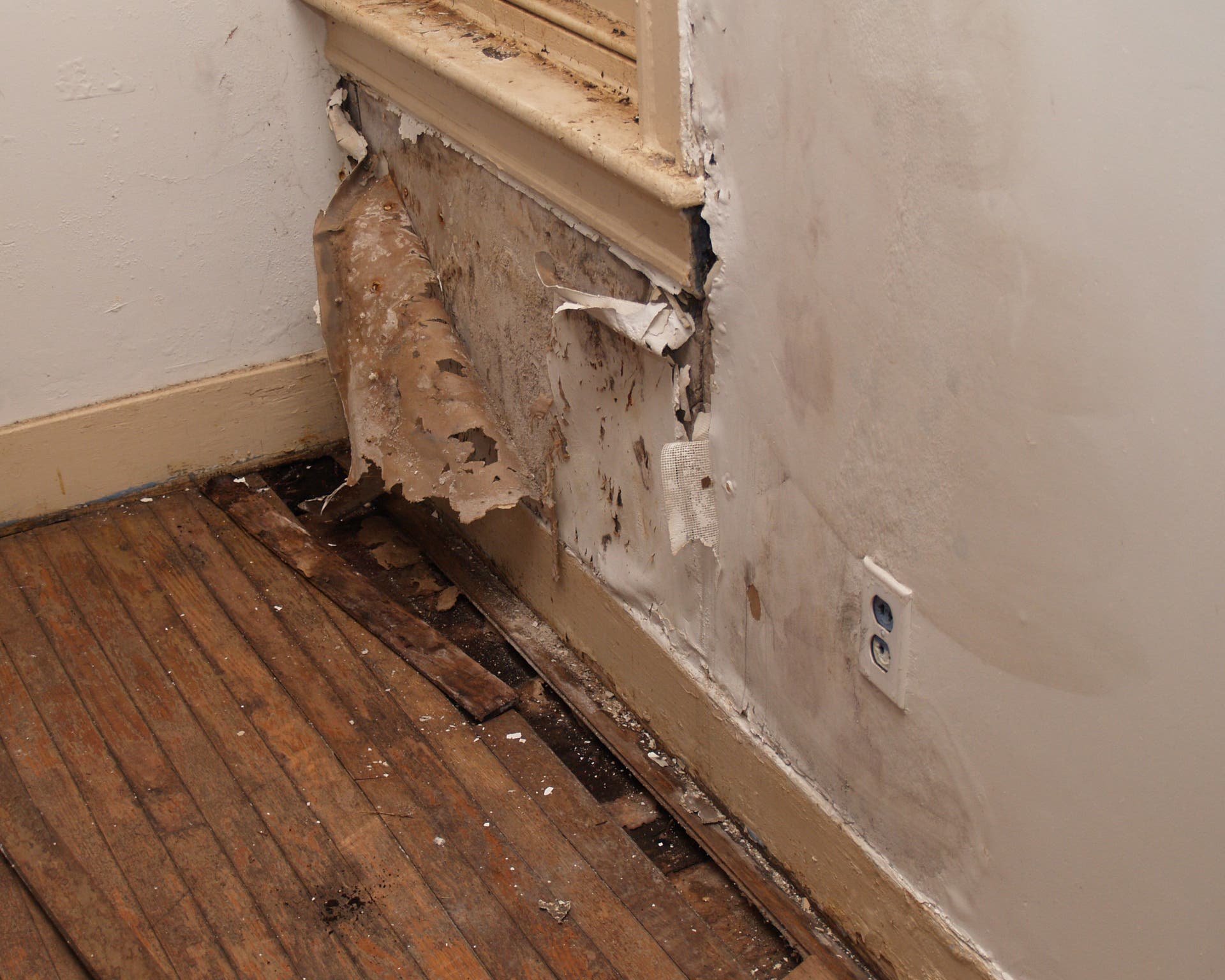
What Really Causes the Need for Water Damage Repair in North Miami
Water damage is one of the most common issues affecting homes and rental properties across North Miami. While many property owners associate water damage with sudden flooding or major plumbing failures, real-world restoration projects often reveal a different story. In many cases, damage develops slowly due to hidden moisture problems that go unnoticed for months.
North Miami’s coastal location, high humidity, and frequent storms create conditions where even small leaks can eventually lead to serious structural damage. By the time homeowners notice stains, odors, or warped flooring, repairs are often already necessary.
Understanding what truly causes water damage helps homeowners take preventive steps and respond quickly when problems arise. Water damage repair is not just about fixing what is visible — it is about addressing hidden moisture sources before they compromise the entire property.
Understanding Water Damage Beyond Flooding
Many homeowners assume water damage only occurs after hurricanes or major floods. While storms certainly contribute to damage, restoration teams in North Miami often see water damage caused by everyday household issues.
Water damage happens whenever moisture enters areas designed to stay dry. Once water gets inside walls, flooring, or ceilings, materials begin absorbing moisture, weakening structural components and encouraging mold growth.
Common water intrusion sources include:
• Slow plumbing leaks inside walls
• Roof leaks during heavy rains
• Window or door seal failures
• Appliance supply line leaks
• Air conditioning condensation problems
• Poor exterior drainage
Because many of these issues develop slowly, damage often spreads before anyone realizes a repair is needed.
Why North Miami Homes Face Greater Risks
North Miami’s climate makes homes especially vulnerable to moisture problems compared to inland areas. Coastal air carries constant humidity, and frequent seasonal storms add further stress to building structures.
Homes across nearby areas such as Biscayne Park, Miami Shores, Aventura, and North Miami Beach experience similar risks, especially properties located near canals or waterfront zones.
Several regional factors increase repair needs:
• Year-round humidity slowing natural drying
• Storm-driven rain entering through small openings
• Older homes with aging plumbing systems
• Continuous AC usage creating condensation
• Soil moisture affecting slab foundations
Even newer homes can develop problems if drainage and ventilation are not properly maintained.
The Hidden Impact of Slow Plumbing Leaks
One of the most common causes of water damage repair in North Miami homes is slow plumbing leakage. These leaks often remain unnoticed because they occur behind walls or under floors.
A small pipe leak can soak surrounding materials for months, leading to:
• Soft drywall or baseboards
• Warped flooring
• Mold growth
• Structural wood damage
• Persistent musty odors
By the time stains appear, significant damage may already exist.
Professional moisture detection frequently uncovers these hidden leaks during inspections.
Air Conditioning Systems and Moisture Problems
Air conditioning systems are essential in South Florida but are also a frequent contributor to water damage.
AC units generate condensation that must drain properly. If drain lines clog or drain pans overflow, moisture can leak into walls or ceilings.
Common AC-related causes include:
• Clogged condensate drain lines
• Improperly sloped drain pipes
• Dirty coils holding moisture
• Overflowing drain pans
• Airflow issues creating humidity pockets
In many homes, damage first appears near AC closets or ceiling vents.
Regular maintenance greatly reduces this risk.
Storms and Heavy Rainfall Effects
Storm season remains a major contributor to water damage repair throughout North Miami. Heavy rainfall, strong winds, and temporary flooding can push water into homes through vulnerable points.
Common storm-related causes include:
• Roof damage allowing rainwater intrusion
• Broken window seals during high winds
• Water entering under doors during street flooding
• Exterior wall cracks allowing seepage
Even when flooding is minimal, storm-driven rain can enter unnoticed areas, causing slow moisture accumulation.
Homeowners sometimes overlook minor storm damage until mold or interior staining appears months later.
Appliance and Fixture Failures
Another frequent cause of water damage involves household appliances and fixtures. Washing machines, refrigerators, dishwashers, and water heaters all rely on supply lines that can wear out over time.
Common appliance-related problems include:
• Washing machine hose failures
• Refrigerator water line leaks
• Water heater tank corrosion
• Dishwasher seal failures
These leaks often occur while homeowners are away or asleep, allowing water to spread widely before discovery.
Routine inspections of appliance connections help prevent unexpected repairs.
Early Warning Signs Many Homeowners Miss
Water damage rarely appears suddenly without warning. Instead, subtle signs usually develop first.
Homeowners often notice:
• Peeling paint or wallpaper
• Soft spots on floors
• Ceiling discoloration
• Warped baseboards
• Increased indoor humidity
• Musty smells
Because these signs appear gradually, they are sometimes ignored until repairs become unavoidable.
Regular inspections help catch problems early.
How Professionals Approach Water Damage Repair
Professional water damage repair begins with identifying how far moisture has spread. Technicians use moisture meters and thermal imaging tools to locate damp areas hidden inside walls and flooring.
Typical repair steps include:
• Water extraction from affected areas
• Industrial drying using air movers and dehumidifiers
• Removal of damaged drywall or flooring
• Mold prevention treatments if necessary
• Restoration of affected surfaces
Drying is one of the most critical stages. Moisture trapped inside structures must be removed before rebuilding begins.
Proper restoration ensures homes return to safe, livable conditions.
Mold Growth After Water Damage
If moisture remains trapped after leaks or flooding, mold growth can begin quickly. North Miami’s warm climate accelerates this process.
Mold often develops behind walls or inside ventilation systems where it remains hidden until odors or health concerns appear.
Professional repair projects often include mold inspection or remediation to prevent recurring problems.
Removing moisture early significantly reduces mold risks.
Preventing Future Water Damage Problems
Although water damage cannot always be avoided, homeowners can reduce risks through regular maintenance and early action.
Helpful preventive steps include:
• Scheduling routine plumbing inspections
• Maintaining AC systems annually
• Checking roofs and windows after storms
• Monitoring appliance hoses and connections
• Cleaning gutters and drainage systems
• Scheduling periodic moisture inspections
Preventive care is far less costly than major structural repairs.
Why Local Experience Matters
Water damage patterns vary by location, and North Miami homes experience challenges specific to coastal conditions.
Local restoration professionals understand how humidity, storms, and building styles interact to create moisture risks. Companies such as Tip Top Water and Fire Damage Restoration frequently work with properties throughout North Miami and nearby coastal neighborhoods, allowing them to tailor solutions to local conditions rather than using generic approaches.
Local knowledge ensures problems are diagnosed accurately and repaired effectively.
Taking Action Before Damage Spreads
Water damage repair becomes necessary when moisture problems go unnoticed or untreated for too long. Acting quickly when warning signs appear can save homeowners significant time, stress, and expense.
Routine inspections, maintenance, and early professional evaluation help keep North Miami homes protected from moisture-related damage. Taking proactive steps ensures properties remain safe, comfortable, and resilient against the region’s challenging coastal environment.