
What Really Causes the Need for Water Damage Repair in North Miami Beach
Water damage in North Miami Beach rarely comes from one dramatic event.
Most of the time, it builds quietly.
A slow AC leak. A minor roof issue after a summer storm. A clogged drain line in a high-rise condo. A small plumbing drip inside a wall. In a coastal environment where humidity is constant, small moisture problems escalate fast.
Understanding what really causes water damage repair in North Miami Beach helps homeowners, condo owners, landlords, and property managers prevent larger structural issues down the road.
Water Damage Isn’t Just Flooding
When people hear “water damage,” they think of hurricanes or major flooding.
Yes, storm surge and heavy rain can absolutely cause severe property damage along the Intracoastal and beachfront towers near Sunny Isles Beach and Bal Harbour.
But most repair jobs in North Miami Beach come from:
- AC condensation leaks
- Plumbing failures
- Roof seepage
- Appliance line breaks
- Balcony drainage issues
- Sprinkler line malfunctions
It’s not always dramatic. It’s often gradual.
And gradual water intrusion is harder to detect.
Why North Miami Beach Is Especially Vulnerable
This area sits in a perfect storm of moisture factors.
You have:
- High year-round humidity
- Coastal salt air exposure
- Frequent seasonal storms
- Flat roof construction
- Slab-based building designs
- Heavy AC system usage
Even without heavy rainfall, indoor humidity can create condensation inside walls and duct systems.
In condo towers common throughout North Miami Beach and Aventura, shared plumbing stacks and vertical drain lines increase the risk of water traveling between units.
Moisture doesn’t stay contained.
Air Conditioning Systems: The Silent Contributor
In South Florida, AC systems run almost nonstop.
That means constant condensation.
Common AC-related causes of water damage include:
- Clogged condensate drain lines
- Cracked drain pans
- Improperly sloped drain piping
- Dirty evaporator coils
- Poor duct insulation
When condensation backs up, water spills into air handler closets and surrounding drywall.
Many mold inspections in North Miami Beach trace back to AC leaks that went unnoticed for weeks.
Because the systems run daily, the leak becomes continuous.
Roof and Balcony Drainage Problems
Flat roofs are common in coastal properties.
Over time, ponding water from heavy rains can seep through minor membrane cracks. Wind-driven rain during summer storms also pushes moisture beneath flashing and seals.
Balconies are another frequent source of water intrusion in high-rise condos.
When drainage channels clog with debris:
- Water backs up
- It seeps beneath sliding door thresholds
- Moisture travels into interior flooring
In Surfside and Sunny Isles Beach buildings, balcony leaks are a common contributor to interior water damage repair calls.
Plumbing Failures Inside Walls
Behind-the-wall plumbing leaks are harder to catch early.
Small pipe joint failures or slow drips inside wall cavities can saturate insulation and drywall long before visible staining appears.
Warning signs may include:
- Slight paint bubbling
- Warped baseboards
- A faint musty odor
- Increased indoor humidity
By the time staining becomes obvious, structural materials may already be compromised.
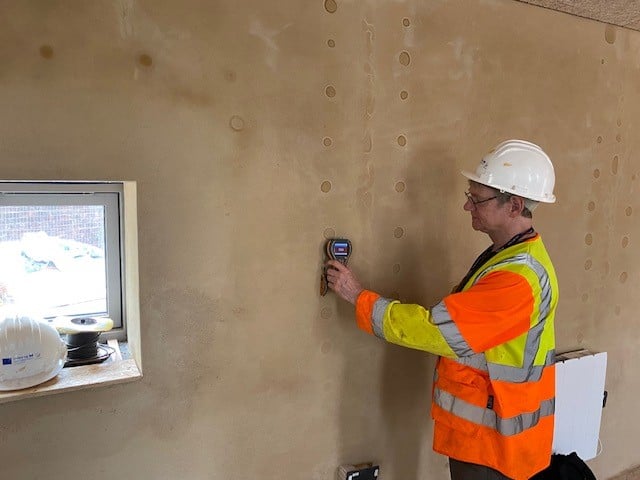
Moisture detection tools are essential in these cases.
Storm Water Intrusion and Hurricane Season
North Miami Beach sees intense seasonal storms.
Heavy rainfall combined with strong winds can force water into:
- Window seals
- Sliding door frames
- Roof flashing
- Exterior wall penetrations
Even newer construction in Aventura and Miami Shores isn’t immune.
If water isn’t removed and dried properly within the first 24–48 hours, secondary issues begin — including mold growth and drywall deterioration.
Storm-related water removal and structural drying are critical in this climate.
Sprinkler System and High-Rise Risks
In condo towers, fire sprinkler systems can cause unexpected water damage even without a fire.
A triggered sprinkler head or system malfunction can release significant water quickly.
Because high-rise units stack vertically, water can travel down through:
- Ceiling cavities
- Electrical conduits
- Plumbing shafts
Lower units may experience water damage without knowing the source immediately.
In these cases, coordinated inspection across multiple units is often required.
Appliance and Supply Line Failures
Appliances cause more damage than most people expect.
Common culprits include:
- Washing machine supply hoses
- Refrigerator ice maker lines
- Dishwasher connections
- Water heater tanks
Salt air exposure in coastal areas like Bal Harbour accelerates corrosion of metal fittings.
Over time, weakened connectors fail.
When they fail while no one is home, damage spreads quickly.
The Link Between Water Damage and Mold
In North Miami Beach’s humidity, mold growth begins quickly.
Even minor dampness inside wall cavities can trigger microbial growth within 48 hours.
Water damage repair often overlaps with:
- Mold inspection
- Mold testing
- Mold remediation
- Air duct cleaning
Ignoring moisture allows contamination to spread into HVAC systems and adjacent units.
Professional evaluation ensures that drying is complete before repairs begin.
Why DIY Drying Usually Falls Short
Homeowners sometimes try:
- Box fans
- Household dehumidifiers
- Surface towel drying
The problem is that water rarely stays on the surface.
It absorbs into:
- Drywall cores
- Insulation
- Subfloors
- Wood framing
Without commercial drying equipment and moisture monitoring, hidden dampness remains.
Months later, homeowners call for mold removal — not realizing it started with incomplete drying.
The Professional Water Damage Repair Process
A structured approach typically includes:
1. Inspection & Moisture Mapping
Identifying all affected areas — visible and hidden.
2. Water Extraction
Removing standing water using commercial equipment.
3. Structural Drying
Using air movers and industrial dehumidifiers to dry walls, ceilings, and flooring.
4. Monitoring
Daily moisture readings to confirm materials return to acceptable levels.
5. Repair & Restoration
Replacing damaged drywall, flooring, baseboards, and repainting.
In some cases, carpet cleaning or duct cleaning is necessary if contamination occurred.
Companies like Tip Top Water and Fire Damage Restoration approach water damage repair methodically, especially in high-rise environments where moisture can spread between units.
Why Local Experience Makes a Difference
Water damage repair in North Miami Beach isn’t identical to repair in drier regions.
Local professionals understand:
- Coastal moisture behavior
- Slab construction drying challenges
- High-rise building systems
- Balcony drainage patterns
- AC-related condensation issues
Experience in neighborhoods like Sunny Isles Beach, Aventura, Biscayne Park, and Miami Shores helps identify likely sources quickly.
That saves time and prevents repeat problems.
Preventing Future Water Damage
While not all water damage is preventable, risk can be reduced.
Key steps include:
- Servicing AC systems regularly
- Cleaning condensate lines
- Inspecting balcony drains
- Checking roof membranes before storm season
- Replacing aging appliance supply hoses
- Monitoring indoor humidity levels
Early intervention is far less disruptive than structural repair.
A Practical Perspective
Water damage repair in North Miami Beach is rarely about one single event.
It’s about moisture meeting building materials in a humid, coastal environment.
Understanding the real causes — from AC systems to balcony drainage — helps property owners respond early.
When addressed properly, most water damage can be resolved without long-term structural issues.
The key is identifying the source, drying thoroughly, and repairing methodically.
In a place where humidity never takes a break, moisture management isn’t optional.
It’s part of maintaining property the right way.