What Really Causes the Need for Water Removal in North Miami
North Miami is a vibrant city along Florida’s coast, known for its residential neighborhoods, waterfront properties, and proximity to Biscayne Bay. While the area offers scenic views and a desirable lifestyle, it also faces unique environmental challenges, particularly related to water intrusion. For homeowners, landlords, and property managers, understanding what drives the need for water removal is crucial for protecting property value, maintaining structural integrity, and ensuring a safe living environment.
Water damage in North Miami properties can result from multiple sources. Whether it is a minor leak under a sink or extensive flooding from a storm, unaddressed water accumulation can lead to mold growth, structural degradation, and costly repairs. Water removal is not just about drying wet surfaces—it is about restoring balance to the home and preventing long-term damage.
Common Sources of Water Damage in North Miami
Understanding the sources of water intrusion is key to preventing damage and determining when professional water removal is necessary. In North Miami, these sources typically include:
1. Heavy Rain and Stormwater Intrusion
North Miami experiences frequent rainfall and occasional hurricanes or tropical storms. Water can enter homes through poorly sealed windows, cracks in foundations, or low-lying areas, leading to pooling in basements, garages, or ground-level living spaces.
2. Plumbing Leaks
Aging plumbing systems, pipe corrosion, or sudden bursts can lead to significant water accumulation inside walls, under flooring, or in bathrooms and kitchens. Even slow leaks can cause extensive damage over time if not detected promptly.
3. Appliance Malfunctions
Dishwashers, washing machines, and water heaters occasionally fail or overflow, sending water into living areas. Rental properties and multi-unit buildings often see water spread between floors or units due to appliance failures.
4. Air Conditioning Systems
AC units generate condensation that is typically drained away. However, blocked drain lines, full drip pans, or improperly installed systems can result in water leaking into floors or ceilings.
5. Flooding and Groundwater
Low-elevation areas in North Miami are prone to flooding during heavy rain events. Groundwater can seep through slab foundations, crawl spaces, or basement walls, particularly in older homes or those without proper drainage systems.
6. Roof Leaks
Roofing damage caused by storms, wear, or poor maintenance can allow water to enter attics, ceilings, and walls, causing hidden damage over time.
These sources create varying levels of water exposure, and even minor incidents can escalate if not addressed promptly.
Why Prompt Water Removal Is Essential
When water enters a property, the consequences can be both immediate and long-term. Prompt removal is critical for several reasons:
1. Preventing Mold Growth
Mold can begin growing within 24–48 hours of water exposure, particularly in North Miami’s humid environment. Wet materials such as drywall, carpet, and insulation provide ideal conditions for spores to multiply.
2. Protecting Structural Integrity
Water can weaken wood, drywall, and other building materials. Over time, this can compromise walls, flooring, and foundations, leading to costly structural repairs.
3. Maintaining Indoor Air Quality
Stagnant water encourages bacteria and mildew growth, which can reduce air quality and trigger allergies or respiratory problems.
4. Preventing Secondary Damage
Leftover moisture can cause paint to peel, metals to corrode, and flooring to warp. Early water removal mitigates these secondary issues and reduces overall repair costs.
5. Protecting Personal Property
Furniture, electronics, and other valuables can be damaged by standing water. Timely removal minimizes loss and preserves tenant or homeowner property.
Observations from Local Properties in North Miami
Experience working in North Miami reveals recurring patterns regarding water damage:
- Hidden Leaks Are Common: Many incidents are not immediately visible, occurring behind walls, under flooring, or in crawl spaces.
- AC-Related Water Damage: Improperly maintained AC systems frequently contribute to localized water issues in living spaces and attics.
- Flooding Events: Coastal properties often experience ground-level flooding during storms, especially in older neighborhoods or homes with aging infrastructure.
- Rapid Mold Growth: High humidity accelerates mold formation, emphasizing the need for swift water removal.
- Tenant-Related Risks: In rental properties, unreported leaks or accidental spills often exacerbate water accumulation.
These patterns underscore the importance of proactive monitoring and professional intervention.
Signs That Water Removal Is Needed
Homeowners and property managers should watch for the following signs:
- Standing water on floors, under carpets, or in basements
- Musty or damp odors throughout the property
- Discoloration or warping of flooring, walls, or ceilings
- Soft or spongy carpet padding or subfloor
- Tenant reports of leaks, water stains, or increased humidity
Early detection allows for targeted water removal and minimizes secondary damage.
The Water Removal Process
Professional water removal involves a series of steps designed to thoroughly extract water and restore dry, safe conditions:
1. Assessment
Technicians inspect the property to determine the water source, the extent of damage, and the materials affected. Moisture meters, thermal imaging, and visual inspection guide the restoration plan.
2. Water Extraction
Industrial pumps and wet vacuums are used to remove standing water from floors, carpets, and subflooring. Quick extraction is essential to prevent mold and structural damage.
3. Drying and Dehumidification
High-capacity air movers, fans, and dehumidifiers are used to thoroughly dry materials. Proper airflow ensures even drying and prevents hidden moisture from causing further damage.
4. Sanitization
Affected areas are treated with antimicrobial solutions to prevent mold growth and eliminate bacteria or other contaminants.
5. Restoration and Repairs
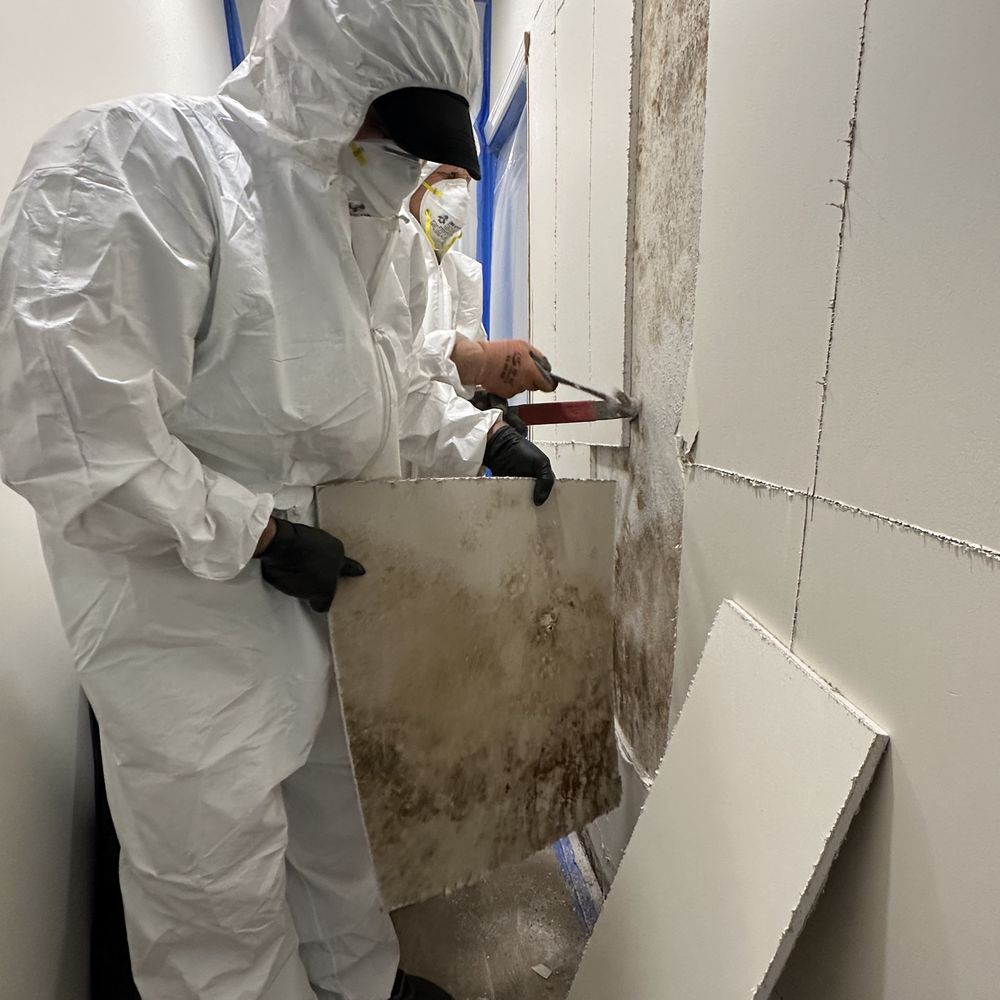
Depending on the severity, restoration may involve replacing carpet padding, drywall, insulation, or other affected materials. Repairs are performed to restore the property to its pre-damage condition.
6. Final Inspection
Technicians verify that all areas are dry, safe, and free from contamination. Moisture readings are recorded to ensure proper remediation.
Preventing Future Water Issues
Following water removal, property owners should implement preventive measures to reduce recurrence:
- Routine AC Maintenance: Ensure condensation lines and drip pans are clear and functional.
- Plumbing Inspections: Regularly check pipes, faucets, and appliances for leaks.
- Roof and Window Sealing: Repair cracks and maintain seals to prevent stormwater intrusion.
- Proper Drainage: Ensure landscaping and drainage systems direct water away from foundations.
- Humidity Control: Use dehumidifiers or HVAC systems to maintain indoor humidity below 60%.
- Tenant Education: Encourage prompt reporting of leaks, spills, or water intrusion.
Preventive strategies reduce the need for repeated water removal and minimize the risk of secondary damage.
Importance of Local Expertise
Water removal in North Miami requires knowledge of local environmental conditions, building types, and water behavior:
- High Humidity and Coastal Climate: Professionals understand how moisture interacts with Florida’s warm, humid air.
- Flood-Prone Areas: Experienced teams anticipate high-risk zones in low-elevation properties.
- Residential and Rental Properties: Techniques are tailored to minimize tenant disruption while ensuring thorough water removal.
- Structural Considerations: Knowledge of slab foundations, crawl spaces, and attics ensures comprehensive drying and restoration.
Tip Top Water and Fire Damage Restoration has extensive experience in North Miami, North Miami Beach, Sunny Isles Beach, Bal Harbour, Aventura, Miami Shores, Surfside, Biscayne Park, and nearby neighborhoods. Their expertise ensures rapid, effective water removal, reducing long-term damage and protecting property value.
Moving Forward After Water Removal
For homeowners and property managers, water removal is part of a broader maintenance and prevention strategy. Steps to consider include:
- Conduct regular inspections of plumbing, AC systems, and roof integrity
- Monitor indoor humidity and address sources of excess moisture
- Educate tenants about reporting leaks and water damage promptly
- Schedule routine maintenance to prevent future incidents
- Keep records of water removal and restoration for insurance, property management, and legal purposes
By integrating professional water removal with ongoing preventive measures, North Miami properties can maintain structural integrity, indoor air quality, and long-term value.